

Collars and Cuffs
"Laundry-day slapstick"
Keys: Space play/pause · ←/→ 10s · F fullscreen · M mute · </> speed
About this film
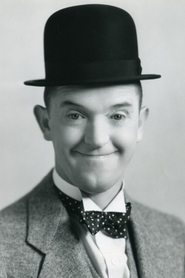
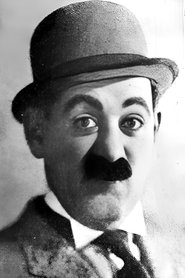
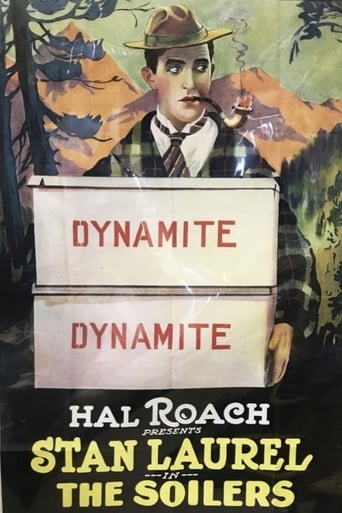
Is a 1923 silent comedy film starring Stan Laurel. Exhibitors circulated the 1923 print in short programs.
Cast & crew
More films like this
More Comedy films
View all →







More from George Jeske
View all →

More about this film
About the production
Release dateOctober 28, 1923
Box officeUnknown - standard theatrical release for comedy shorts
ProductionHal Roach Studios
Filmed inLos Angeles, California
This was one of Stan Laurel's early solo shorts before his partnership with Oliver Hardy. The film was shot quickly in a single day, as was typical for comedy shorts of this period. The laundry setting was chosen because it provided multiple opportunities for physical comedy and prop gags. The film featured practical effects including real laundry equipment and was shot on the Hal Roach studio lot with minimal sets.
Themes
Workplace comedyMistaken identityClass differencesEveryday strugglesPhysical comedy
Themes & topics
Historical background
Collars and Cuffs reached screens around 1923, produced in its country of origin. Silent-era houses paired such titles with live music and newsreel bills.
Why this film matters
Researchers cite Collars and Cuffs when tracing screen culture of its decade.
Making of
The production of Collars and Cuffs took place during a particularly prolific period in Stan Laurel's career, when he was churning out multiple shorts for Hal Roach Studios. Director George Jeske, who had worked extensively with comedians, understood how to showcase Laurel's physical comedy skills. The laundry setting was chosen specifically because it provided numerous opportunities for gags involving clothing, machinery, and the confusion that comes with mixed-up orders. The film was shot in a single day with minimal rehearsal, relying on Laurel's improvisational skills and the cast's ability to adapt to changing comedic situations. The supporting actors, particularly Mark Jones and Eddie Baker, were seasoned comedy performers who knew how to react to Laurel's antics. The film's simple premise allowed for maximum physical comedy without the need for complex sets or expensive production values, making it a typical example of the efficient comedy short production system of the 1920s.
What critics said
Reviewers in 1923 weighed Collars and Cuffs on clarity, pacing, and audience response rather than prestige status. No single canonical review dominates later reference works for the title.
Did you know?
- This was one of over 40 comedy shorts Stan Laurel made before teaming up with Oliver Hardy
- Director George Jeske was a former actor who worked closely with Harold Lloyd before becoming a director
- The film was produced during the peak of the silent comedy era when shorts were the primary format for comedy
- Mark Jones, who appears in the film, was a regular supporting actor in Hal Roach productions
- The original film negative was believed lost for decades before a copy was discovered in a European film archive
- Stan Laurel's character in this film shows early elements of the persona he would later perfect with Oliver Hardy
- The laundry theme was a popular setting for silent comedies due to its visual potential and relatable situations
- This film was part of a series of shorts Laurel made for the Hal Roach studio in 1923
- Eddie Baker, who appears in the film, would later become a regular in the Laurel and Hardy films
- The film was originally released as part of a comedy package with other shorts, a common distribution method of the era
Visual style
The cinematography in Collars and Cuffs was typical of comedy shorts of the era, featuring clear, straightforward photography designed to showcase the physical comedy without distracting from it. The camera work was primarily static, allowing the actors' movements and gags to be clearly visible. The film used medium shots for general action and close-ups for reactions, following the established conventions of silent comedy cinematography. The lighting was bright and even, ensuring that all details of the physical comedy were visible to the audience. The laundry setting provided opportunities for interesting visual compositions with hanging clothes, machinery, and stacks of linens creating depth and visual interest. The cinematography prioritized clarity over artistic experimentation, as was standard for comedy shorts of this period.
Innovations
Collars and Cuffs did not feature any groundbreaking technical achievements, as it was a standard comedy short produced quickly and efficiently. The film used the standard 35mm film format and typical camera equipment of the era. The technical aspects were focused on clarity and reliability rather than innovation. The film did make effective use of practical effects involving real laundry equipment, which required careful coordination to ensure safety while achieving comedic effect. The editing followed the continuity style that had become standard by 1923, ensuring smooth progression of the visual gags. While not technically innovative, the film demonstrated the polished craftsmanship that Hal Roach Studios had developed for comedy production, representing the efficient technical standards of major comedy short production of the period.
Music
As a silent film, Collars and Cuffs had no recorded soundtrack. During its original theatrical run, it would have been accompanied by live music, typically a piano or small theater organ. The accompaniment would have been selected from standard cue sheets provided by the studio or improvised by the theater musician to match the on-screen action. For chase scenes, faster, more frantic music would be played, while moments of confusion might be accompanied by comical or mysterious themes. Modern screenings of the film typically feature newly composed scores or period-appropriate music that captures the spirit of 1920s comedy accompaniment. The lack of dialogue meant that all storytelling and humor had to be conveyed visually, with music serving primarily to enhance mood and pace rather than convey specific information.
Famous quotes
(Silent film - no dialogue quotes available)
Memorable scenes
- The scene where Stan Laurel becomes entangled in multiple laundry lines while trying to retrieve mixed-up shirts, creating a chaotic visual of clothes and limbs flying in all directions
- The formal dinner party scene where Stan attempts to secretly exchange collars under the table, resulting in guests receiving incorrect sizes and causing social embarrassment
- The opening sequence showing the chaotic laundry operation with machines running, clothes flying, and workers rushing around, establishing the perfect environment for comedy
What audiences thought
Audiences in 1923 generally responded well to Collars and Cuffs, as it provided the kind of light entertainment they expected from comedy shorts. The film's relatable premise about laundry mishaps resonated with working-class viewers who understood the importance of properly cared-for clothing in an era when garments were expensive and labor-intensive to maintain. Laurel's character's struggles with the laundry system created empathy as well as laughter. The film was successful enough to warrant continued production of similar shorts featuring Laurel. Modern audiences viewing the film in retrospectives or silent film festivals appreciate it as a glimpse into early comedy techniques and Laurel's development, though some find the pacing slower than contemporary comedy.
Film connections
Influenced by
- Charlie Chaplin's early shorts
- Harold Lloyd's comedy style
- Standard Hal Roach comedy formula
This film influenced
- Later Laurel and Hardy films
- Other Hal Roach comedy shorts
Film restoration
The film was considered lost for many years but a 16mm copy was discovered in a European film archive in the 1970s. The surviving print shows some deterioration but is largely complete. The film has been digitally restored by preservationists and is available through various film archives and specialty distributors. While not in pristine condition, the surviving elements are sufficient for modern viewing and historical study. The restoration work has stabilized the film and improved image quality, though some damage from the original print remains visible.
Where to watch
- Available on DVD in various silent comedy collections
- Streaming on specialized classic film platforms
- Occasionally screened at silent film festivals and retro cinema events
- Available through some film archive collections for research purposes
- Included in some online streaming services specializing in classic cinema