The Balloonatic
"Buster and Phyllis endure a number of outdoor adventures trying to prove to each other."
Keys: Space play/pause · ←/→ 10s · F fullscreen · M mute · </> speed
About this film
The balloon, which lands Buster in the wilderness, later proves useful as their canoe is about go over a waterfall. It was one of Keaton's final short films. Buster and Phyllis endure a number of outdoor adventures trying to prove to each other their survival skills.
Cast & crew
More films like this
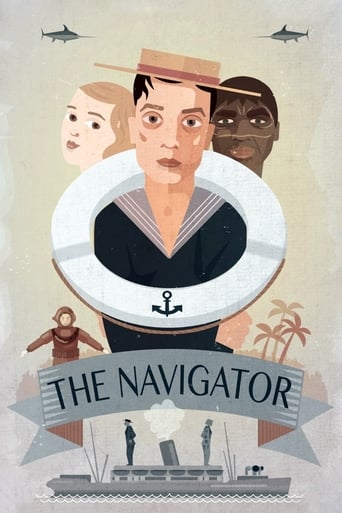
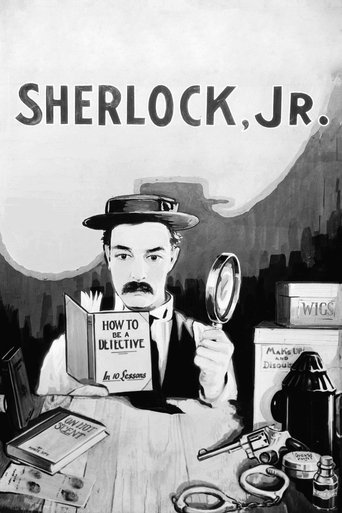
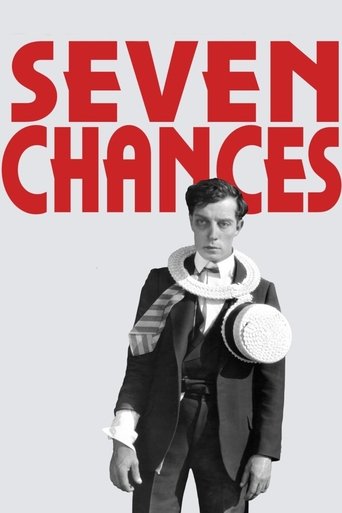
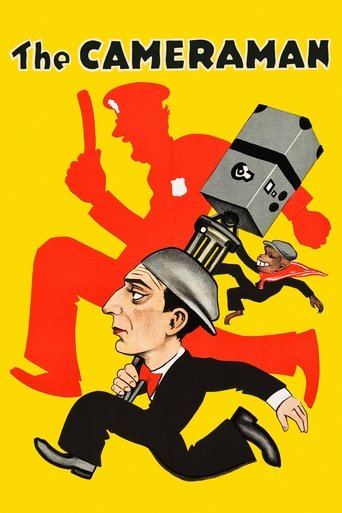
More Comedy films
View all →







More from Buster Keaton
View all →

More about this film
About the production
Release dateJanuary 28, 1923
Box officeBox office figures not specifically documented for this short film, but Keaton's shorts were generally profitable
ProductionBuster Keaton Productions, First National Pictures (distributor)
Filmed inLos Angeles, California, San Bernardino Mountains, California, Santa Monica Canyon, California
The balloon sequence was filmed using a real hot air balloon with Keaton performing his own stunts. The waterfall scene was created using a combination of location filming and studio work with miniatures. Keaton, known for his hands-on approach, personally designed many of the gags and mechanical effects. The production faced challenges with weather conditions during outdoor filming, requiring multiple takes for the balloon scenes.
Themes
Themes & topics
Historical background
Made in 1923, in United States, under Buster Keaton, The Balloonatic belongs to comedy film filmmaking amid the silent era's rapid stylistic experiments. Balloonatic is a 1923 American short comedy film co-directed by and starring Buster Keaton.
Why this film matters
Within comedy film history, Buster Keaton's name attaches to the work; surviving prints help researchers study silent-era craft; 1923 film directed by / starring Buster Keaton.
Making of
The production of The Balloonatic exemplified Keaton's meticulous approach to comedy filmmaking. He spent weeks planning the balloon sequence, working with engineers to ensure safety while maintaining the illusion of danger. The outdoor locations were scouted personally by Keaton, who wanted authentic wilderness settings. During filming, the cast and crew faced challenges with unpredictable weather, particularly for the balloon scenes which required clear skies and minimal wind. Keaton collaborated closely with his regular team, including cinematographer Elgin Lessley and technical director Fred Gabourie, to execute the complex gags. The waterfall sequence required careful timing and coordination between Keaton, Haver, and the camera crew to capture the thrilling climax. Keaton's insistence on performing his own stunts, while dangerous, allowed for the precise comic timing that characterized his work.
What critics said
Contemporary reviews of The Balloonatic are sparse in open sources; later catalog entries chiefly summarize plot and credits.
Did you know?
- The hot air balloon used in the film was a real, functional balloon that Keaton learned to operate for the production
- Babe London, who appears briefly in the film, was a regular in Keaton's shorts and was known for her distinctive laugh
- The waterfall sequence was filmed at the Santa Ynez Canyon in Topanga, California
- Keaton performed all his own stunts in the film, including hanging from the balloon basket
- Originally titled 'The Balloonatic' but was sometimes advertised as 'The Balloonatics' in some markets
- Phyllis Haver, the female lead, was a major star of the silent era who later retired from acting in the early 1930s
- The outdoor survival elements were inspired by the growing popularity of camping and outdoor recreation in the 1920s
- Keaton's character wears his signature porkpie hat throughout most of the film, even during the balloon sequence
- One of Keaton's last short subjects before he transitioned primarily to feature films
- The balloon used in the production was reportedly purchased from a defunct circus
Visual style
The cinematography in The Balloonatic, handled by Keaton's regular collaborator Elgin Lessley, demonstrates the visual sophistication of silent era filmmaking. The film employs a mix of wide shots to capture the scale of the outdoor locations and medium shots to highlight Keaton's physical comedy. The balloon sequences use innovative camera angles to convey height and movement, including shots from above looking down on the landscape. The waterfall scene utilizes careful framing to build tension while maintaining visual clarity. Lessley employed natural lighting for the outdoor scenes, creating a realistic atmosphere that enhanced the adventure elements. The film also features effective use of depth of field, particularly in scenes where Keaton interacts with the environment. The cinematography supports the comedy by ensuring that gags are clearly visible while maintaining the illusion of danger in the stunt sequences.
Innovations
Showcased several technical innovations for its time. The balloon sequence required careful coordination between the balloon operator, camera crew, and performers to achieve the desired visual effects. The film employed practical effects that were remarkably sophisticated for 1923, including the controlled descent of the balloon and the waterfall rescue sequence. The production used a combination of location filming and studio work to create seamless transitions between different environments. The camera techniques used to film the balloon scenes, including angles that simulated the perspective of being airborne, were particularly innovative for the period. The film also demonstrated advanced editing techniques for its time, particularly in the rhythm of the comedy sequences. The waterfall scene required careful timing and multiple camera setups to capture the dramatic climax effectively.
Music
As a silent film, The Balloonatic would have been accompanied by live musical performance during its original theatrical run. The typical score would have been provided by a theater's organist or small orchestra, using compiled music appropriate to the film's various moods. For the balloon sequence, soaring, adventurous music would have been used, while the romantic moments would have featured more tender melodies. The comedy scenes would have been accompanied by lighter, more playful music. Modern restorations of the film have been paired with newly composed scores by silent film music specialists. These scores typically incorporate period-appropriate styles while allowing for contemporary musical interpretation. Some versions feature orchestral arrangements that emphasize the film's adventure elements, while others use piano accompaniment that harks back to the original theatrical experience.
Famous quotes
(Intertitle) 'Caught in a balloon!'
(Intertitle) 'Lost in the wilderness!'
(Intertitle) 'Proving my courage!'
(Intertitle) 'Nature's greatest challenge!'
Memorable scenes
- The opening sequence where Buster accidentally becomes entangled in the hot air balloon at the amusement park
- Buster's clumsy attempts at fishing and hunting in the wilderness
- The competitive building of shelter between Buster and Phyllis
- The thrilling canoe sequence approaching the waterfall
- The miraculous rescue when the balloon reappears to save them from the waterfall
What audiences thought
Was well-received by audiences in 1923, who appreciated Keaton's blend of thrilling action and comedy. The film's release coincided with peak popularity for Keaton, who had become recognizable and beloved comedians of the era. Theater owners reported good attendance for the film, particularly in venues that programmed it as part of a comedy lineup. The outdoor adventure elements appealed to both urban and rural audiences, with the balloon sequence generating particular excitement. In letters to fan magazines of the period, viewers expressed admiration for Keaton's daring stunts and the film's imaginative premise. Modern audiences, rediscovering Keaton's work through revivals and home video, have embraced The Balloonatic as an accessible introduction to his unique comedic style. The film's relatively short running time and straightforward narrative make it particularly popular among those new to silent cinema.
Film connections
Influenced by
- Vaudeville comedy tradition
- Charlie Chaplin's early shorts
- Harold Lloyd's daredevil comedy
- Mack Sennett's slapstick style
- Circus and sideshow entertainment
This film influenced
- Jackie Chan's action comedies
- Rowan Atkinson's Mr. Bean
- Jim Carrey's physical comedy films
- The Adventures of Rocky and Bullwinkle
- Pixar's Up
Film restoration
Is well-preserved and available in various formats. The film exists in its complete form and has been restored by several archives, including the Library of Congress and the Cohen Film Collection. 16mm and 35mm prints are held in major film archives worldwide. The film has been digitally remastered for home video release, with versions available on DVD and Blu-ray. The preservation quality is generally excellent, with clear images and minimal deterioration. Some versions include tinted sequences that replicate the original presentation style of silent films.
Where to watch
- The Criterion Collection (DVD/Blu-ray)
- Kino Lorber (DVD/Blu-ray)
- The Buster Keaton Collection (various DVD sets)
- Amazon Prime Video (with subscription)
- YouTube (official uploads)
- Tubi (free streaming)
- Kanopy (through participating libraries)
- Archive.org (public domain versions)