Babe London
Actor
Born: August 28, 1901 in Birmingham, Alabama, USA Died: November 29, 1980 Active: 1915-1926 Birth Name: Jean Glover
Films
6 films
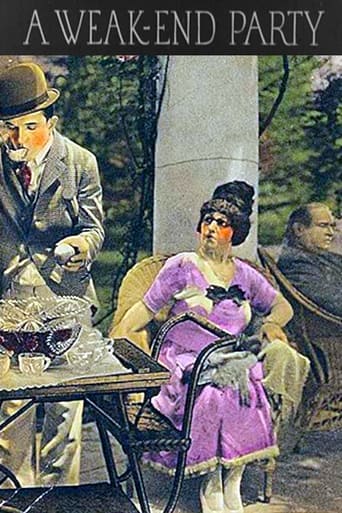
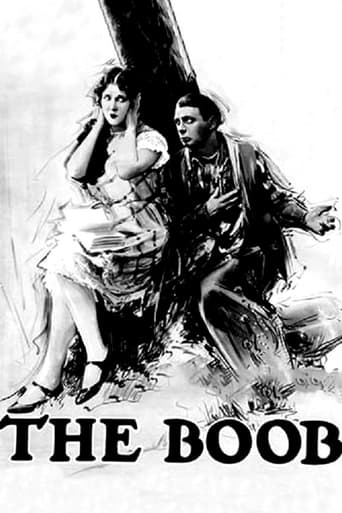
About Babe London
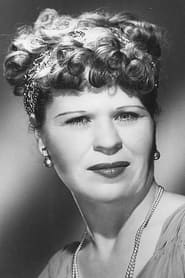
Babe London, born Jean Glover, was an American actress who became a familiar face in silent film comedies during the 1910s and 1920s. Beginning her career as a child actress, she successfully transitioned to adult roles, specializing in comedic characters in one- and two-reel shorts. London worked with virtually every major comedy star of the silent era, including Charlie Chaplin, Buster Keaton, and Harold Lloyd, becoming particularly associated with Mack Sennett's comedy factory. Her expressive face and physical comedy skills made her an invaluable supporting player, capable of both playing the straight woman and executing slapstick gags herself. London appeared in more than 50 films during her decade-long career, contributing to some of the most celebrated comedies of the silent era. She married director Harry Edwards in 1925 and retired from acting shortly thereafter, spending the remainder of her life away from the spotlight. Though never a star herself, her performances survive as part of the enduring works of cinema's greatest comedians.
The Craft
On Screen
Babe London specialized in physical comedy and exaggerated expressions perfect for silent films. She was adept at both playing the straight woman to comedy stars and performing slapstick gags herself. Her style emphasized broad gestures and expressive facial features that could convey humor without dialogue, making her an effective supporting player in ensemble comedies. London was particularly skilled at pratfalls and physical comedy, often performing her own stunts in the tradition of silent film comedians.
Milestones
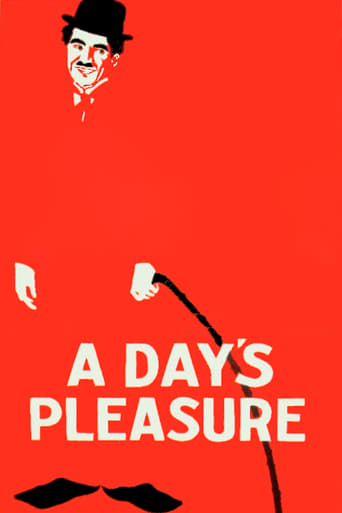
- Regular supporting player in Charlie Chaplin films including 'A Day's Pleasure' (1919)
- Featured performer in numerous Buster Keaton comedies
- Contract player at Mack Sennett Studios
- Transitioned successfully from child actress to adult roles
- Appeared in over 50 films during her decade-long career
Best Known For
Iconic Roles
Must-See Films
Working Relationships
Worked Often With
Studios
Why They Matter
Impact on Culture
Babe London represents the numerous talented supporting players who were essential to the success of silent comedy but often remain without on-screen billing in film history. As a regular presence in the works of comedy giants like Chaplin and Keaton, she contributed to the development of American comedy cinema. Her ability to effectively play both straight woman and comic foil demonstrated the versatility required of silent film actors. While not a star herself, London's career exemplifies the collaborative nature of silent film comedy production and the importance of ensemble casts in creating memorable comedic moments that have entertained audiences for generations.
Lasting Legacy
Babe London's legacy lies in her contribution to some of the most celebrated comedies of the silent era. Though not widely remembered by name today, her performances survive as part of the enduring works of Chaplin and Keaton. Film historians and silent cinema enthusiasts recognize her as part of the talented ensemble that helped define the golden age of silent comedy. Her career serves as a reminder of the many skilled performers who worked behind the scenes of Hollywood's biggest stars, contributing significantly to cinema history while remaining largely anonymous to the general public.
Who They Inspired
As a supporting player rather than a star, Babe London's direct influence on other performers is difficult to trace. However, her work in establishing effective comic relationships with leading men helped demonstrate the importance of chemistry in comedy duos. The techniques she employed in physical comedy and silent acting were representative of the professional standards of the era and would have influenced other performers working in the same genre. Her ability to adapt her style to work with different comedy stars showed the versatility required of character actors in silent film.
Off Screen
Babe London married director and producer Harry Edwards in 1925, who had directed many of the comedy shorts she appeared in. The couple worked together professionally on numerous occasions before her retirement. Following their marriage, London largely withdrew from acting, which was common for actresses of that era. She and Edwards remained married until his death in 1952. London lived as a private citizen for the final 55 years of her life, maintaining little connection to the film industry that had been her career.
Family
- Harry Edwards (1925-1952)
Did You Know?
- Her stage name 'Babe' was reportedly given to her because of her youthful appearance even as an adult
- She began her film career as a child actress before transitioning to adult roles
- London appeared in more than 50 films during her relatively brief career
- She was particularly skilled at pratfalls and physical comedy, often performing her own stunts
- Many of her films with Buster Keaton were directed by her future husband Harry Edwards
- She retired from acting shortly after her marriage in 1925
- London was part of the stable of regular performers that Mack Sennett kept under contract
- She worked with virtually every major comedy star of the silent era except Laurel and Hardy
- Her real name, Jean Glover, was sometimes used in early film credits
- She lived for 55 years after retiring from films, dying in 1980 at age 79
Frequently Asked Questions
Who was Babe London?
American actress who worked primarily in silent film comedies during the 1910s and 1920s. Born Jean Glover, she appeared in numerous comedy shorts with stars like Charlie Chaplin and Buster Keaton, becoming known for her physical comedy skills and expressive performances. Though never a leading lady, she was a valuable supporting player who contributed to many classic silent comedies.
What films is Babe London best known for?
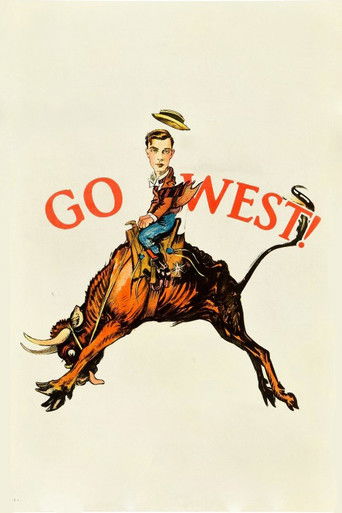
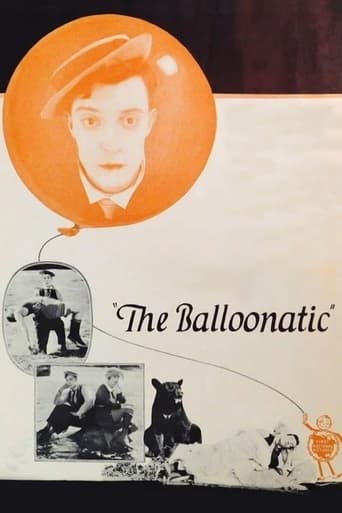
Titles linked here include A Day's Pleasure (1919), The Balloonatic (1923).
When was Babe London born and when did she die?
Born August 28, 1901; died November 29, 1980.
What awards did Babe London win?
Babe London did not receive any major awards or nominations during her career, which was typical for supporting players in silent film comedies. Like many character actors of her era, her contributions were primarily recognized through steady employment rather than formal accolades.
What was Babe London's acting style?
Babe London specialized in physical comedy and exaggerated expressions perfect for silent films. She was adept at both playing the straight woman to comedy stars and performing slapstick gags herself. Her style emphasized broad gestures and expressive facial features that could convey humor without dialogue, making her an effective supporting player in ensemble comedies.
Why did Babe London retire from acting?
Babe London retired from acting shortly after marrying director Harry Edwards in 1925, which was common for actresses of that era. Her retirement coincided with the transition from silent films to talkies, and she chose to focus on her personal life rather than attempting to navigate the changing industry.
Did Babe London work with major comedy stars?
Yes, Babe London worked with virtually every major comedy star of the silent era except Laurel and Hardy. She appeared in films with Charlie Chaplin, Buster Keaton, Harold Lloyd, and was part of Mack Sennett's comedy troupe, making her.