The Handy Man
"Silent-era handyman gags in domestic chaos"
Keys: Space play/pause · ←/→ 10s · F fullscreen · M mute · </> speed
About this film
A 1923 silent comedy.
Cast & crew
More films like this
More Comedy films
View all →







More from Robert P. Kerr
View all →
More about this film
About the production
Release dateMarch 25, 1923
Box officeUnknown - box office records for short films from this period were not systematically tracked
ProductionHal Roach Studios
Filmed inLos Angeles, California
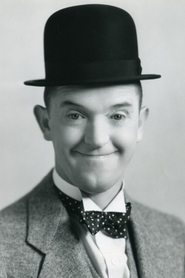
This was one of Stan Laurel's early solo shorts produced during his formative years at Hal Roach Studios. The film was shot on the studio's backlot with typical sets of the era. Production would have been completed in just a few days, as was standard for comedy shorts of the time. The film showcases Laurel's developing screen persona before his iconic partnership with Oliver Hardy was established.
Themes
Incompetence vs. good intentionsDomestic chaosThe comedy of failureWorking class strugglesPhysical comedy and slapstick
Themes & topics
Historical background
Made during the studio era of 1923, The Handy Man reached audiences through theatrical programs, fairground booths, or specialized distribution channels typical of its generation. A 1923 silent. Historians now read such works for what they reveal about production methods, national taste, and the expanding vocabulary of screen narrative.
Why this film matters
Archivists and programmers still screen The Handy Man when tracing how popular entertainment evolved. Its subject—a 1923 silent—gives later viewers tangible evidence of what drew crowds in the silent period. Home video, restorations, and festival sidebars keep the title circulating among students of film history.
Making of
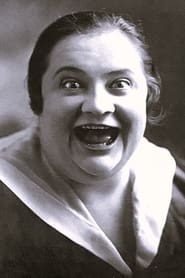
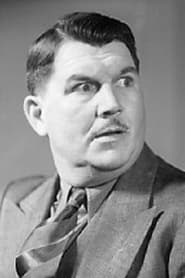
The production of 'The Handy Man' took place during a transitional period in Stan Laurel's career, as he was still developing his screen persona. Robert P. Kerr, though primarily known as an actor, was one of many directors at Hal Roach Studios who worked on the factory-like production of comedy shorts. The film would have been shot quickly, likely in 2-3 days, using natural light on outdoor sets and artificial lighting for interior scenes. Laurel was known for his meticulous approach to comedy, often improvising and developing gags during filming. The cast and crew worked under the studio system of the era, with tight schedules and limited budgets. Otto Fries, who appears in the film, was a regular character actor in Roach productions, often playing authority figures or comic foils.
What critics said
Original trade coverage treated The Handy Man as routine program filler rather than a landmark production—typical of steady studio output. Later criticism emphasizes preservation, stylistic comparison with contemporaries, and whatever cast or crew names later gained prominence. Contemporary writing is mostly historical: assessing completeness, influence, and place in a director's or studio's catalog.
Did you know?
- This film was released before Stan Laurel's partnership with Oliver Hardy was formed in 1927
- Director Robert P. Kerr was primarily known as an actor who appeared in over 200 films between 1912 and 1941
- The film was produced during the peak of the silent comedy era, when short two-reel comedies were extremely popular
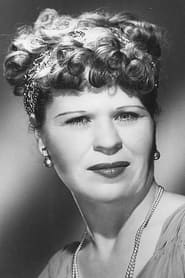
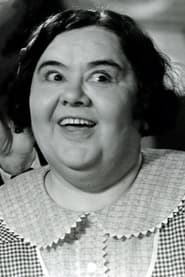
- Merta Sterling, who co-starred, was a popular actress in the 1920s who often appeared in comedy shorts
- This is one of approximately 50 solo films Stan Laurel made before teaming up with Oliver Hardy
- The film was shot on 35mm film, as was standard for professional productions of the era
- No intertitles from this film survive in known archives, suggesting it may be partially or completely lost
- The film was likely distributed by Pathé Exchange, which handled many Hal Roach productions during this period
- Stan Laurel's character in this film shows early elements of his later 'Stan' character from Laurel and Hardy films
- The film was part of a series of 'handyman' themed comedies popular in the early 1920s
Visual style
The cinematography of 'The Handy Man' would have been typical of comedy shorts from 1923, featuring relatively static camera positions with occasional tracking shots to follow action sequences. The cinematographer would have used natural light for exterior scenes and artificial lighting for interior sets, creating the high-contrast look characteristic of silent films. The visual style emphasized clarity and visibility to ensure that physical comedy gags were clearly visible to audiences. Camera work was functional rather than artistic, prioritizing the presentation of comedic action over visual experimentation. The film would have been shot on 35mm film at a standard frame rate of 16-18 frames per second, typical for silent era productions.
Innovations
As a standard comedy short of 1923, 'The Handy Man' did not feature significant technical innovations. The film utilized the standard 35mm film format and basic editing techniques common to the era. Any technical achievements would be in the realm of practical effects and stunt work typical of slapstick comedy, such as breakaway props and carefully timed physical gags. The film may have used simple special effects like multiple exposure or speed manipulation for comedic effect, but these were well-established techniques by 1923. The production would have benefited from the increasingly sophisticated studio lighting and camera equipment available at Hal Roach Studios, but did not push technical boundaries.
Music
As a silent film, 'The Handy Man' had no synchronized soundtrack. The musical accompaniment would have been provided live in theaters, typically by a pianist for smaller venues or a small orchestra for larger theaters. The score would have been compiled from standard photoplay music collections, with selections matched to the on-screen action and mood. Comedic scenes would have been accompanied by lively, upbeat music, while more dramatic moments might have used romantic or suspenseful themes. The theater musician would have had the freedom to interpret the film's emotional beats and enhance the comedy through musical cues. No original composed score was created specifically for this film, as was standard practice for shorts of this era.
Famous quotes
As a silent film, dialogue quotes are not applicable. The film relied on visual comedy and intertitles for narrative progression.
Memorable scenes
- The climactic scene where Stan's attempt to fix a simple household item results in a chain reaction of disasters throughout the house, culminating in a spectacular collapse that showcases classic silent-era physical comedy.
What audiences thought
Audience reception in 1923 would have been measured by the film's success in theater bookings and audience laughter during screenings. As a Hal Roach production featuring Stan Laurel, the film likely performed well in the short film market, which was extremely competitive but profitable. Theater audiences of the era craved comedy shorts as part of their moviegoing experience, and Laurel's growing popularity would have ensured good attendance. The film's success would have been determined by its ability to generate consistent laughs and repeat bookings by theater managers. Contemporary audience reactions are not specifically documented, but the continued production of Laurel shorts during this period suggests positive reception.
Film connections
Influenced by
- Charlie Chaplin's early shorts
- Harold Lloyd's comedy style
- Mack Sennett's Keystone comedies
- Buster Keaton's deadpan humor
- Standard vaudeville routines
This film influenced
- Later Laurel and Hardy films
- Other Hal Roach comedy shorts
- The Three Stooges' domestic comedy shorts
- Abbott and Costello's routine-based films
Film restoration
The preservation status of 'The Handy Man' is uncertain, and the film is likely lost or partially missing. Many of Stan Laurel's early solo shorts from this period have not survived, as nitrate film from the 1920s was notoriously unstable and many films were not preserved. No complete prints are known to exist in major film archives like the Library of Congress or the UCLA Film & Television Archive. Some fragments or still photographs may survive, but the complete film is considered lost to time. This status is common for approximately 75% of American silent films, particularly comedy shorts which were often considered disposable entertainment.
Where to watch
- Unfortunately, 'The Handy Man' (1923) is not available for viewing as it is believed to be a lost film. No known complete prints exist in public or private archives. Film enthusiasts can explore surviving Stan Laurel solo shorts from the same period that are available through various classic film collections and archives.