Films
3 films

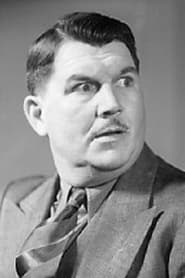
About Otto Fries
Minor character actor during the early silent film era, appearing in a small number of productions in the early 1920s. His brief film only from 1922 to 1923, during which he appeared in at least two known short comedy films. Fries worked primarily in supporting roles, likely as a bit player or background actor in the burgeoning Hollywood studio system of the time. His most documented appearances were in Hal Roach-produced comedy shorts, which were popular during this period. Like many actors of his era, Fries' career was likely cut short by the transition to sound films or simply by the competitive nature of the early film industry. Very little documentation survives about his life beyond these brief film credits, suggesting he was not a prominent figure in cinema history. His work represents the countless supporting actors who populated early silent films but have since been largely forgotten by mainstream film history.
The Craft
Milestones
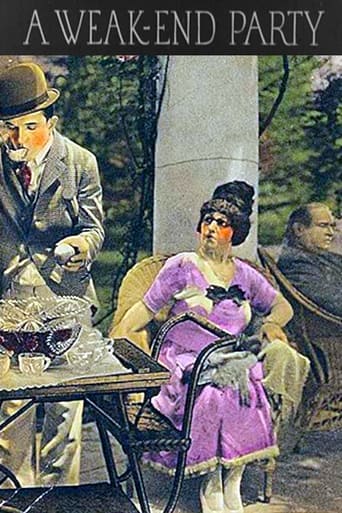
- Appeared in 'The Weak-End Party' (1922)
- Appeared in 'The Handy Man' (1923)
- Worked during the early silent comedy era
Best Known For
Must-See Films
Working Relationships
Studios
Why They Matter
Impact on Culture
Otto Fries' cultural impact was minimal, as he was a minor character actor with a very brief career in the early 1920s. His work represents the thousands of supporting actors who populated silent films but have since been largely forgotten. While his individual contributions were small, collectively, actors like Fries formed the backbone of early Hollywood productions, providing the necessary supporting cast that allowed stars to shine. His appearances in Hal Roach comedy shorts place him within an important studio system that produced many influential comedians of the era.
Lasting Legacy
Otto Fries' legacy is primarily that of an obscure footnote in silent film history. His brief filmography serves as a reminder of the vast number of actors who participated in early cinema but whose careers were short-lived and largely undocumented. While he did not achieve lasting fame, his work contributes to our understanding of the scale and scope of early Hollywood production. His story represents the typical journey of many character actors during the silent era who worked briefly before either transitioning to other careers or being lost to the transition to sound.
Who They Inspired
As a minor supporting actor with a very brief career, Otto Fries had no discernible influence on other actors or directors. His work was typical of character actors of the period who filled necessary roles in productions but did not develop distinctive styles or techniques that would influence others in the industry.
Off Screen
Very little information is available about Otto Fries' personal life. As a minor actor from the silent era who appeared in only a handful of films, detailed biographical information was not preserved in historical records. Like many supporting actors from this period, his life story remains largely undocumented.
Did You Know?
- Appeared in only two known films during his entire career
- Both of his known films were comedy shorts
- Worked during the peak of silent film popularity in the early 1920s
- His films were produced by Hal Roach Studios, a major comedy production company
- Like many silent era supporting actors, virtually no biographical information survives about him
- His active years covered only two years, making him one of cinema's briefest working actors
- Both of his known films are now considered rare and may be lost films
- He represents the typical journey of thousands of actors who appeared briefly in early Hollywood
Frequently Asked Questions
Who was Otto Fries?
Minor American with credits in this catalog.
What films is Otto Fries best known for?
Titles linked here include The Weak-End Party (1922), The Handy Man (1923).
When was Otto Fries born and when did he die?
Unfortunately, no birth or death information is available for Otto Fries, as he was such a minor actor that detailed biographical records were not preserved.
What awards did Otto Fries win?
Otto Fries did not receive any known awards or nominations during his brief two-year career in the film industry.
What was Otto Fries' acting style?
No specific information exists about Otto Fries' acting style, as he was a minor supporting actor whose work was not documented in detail and whose films may no longer be available for study.
Why was Otto Fries' career so short?
While the exact reason is unknown, many supporting actors from the silent era had brief careers due to the competitive nature of early Hollywood, the transition to sound films, or simply moving on to other professions.
Did Otto Fries work with any famous actors or directors?
He worked at Hal Roach Studios, which was famous for producing comedy films starring Harold Lloyd and later the Laurel and Hardy duo, though specific collaborations are not documented.