Films
2 films
About Robert P. Kerr
American filmmaker who worked during the silent film era as both an actor and director. His the crucial transitional years of American cinema from 1915 to 1923, coinciding with the rise of the feature film format. Kerr began his career primarily as an actor, appearing in comedies and short films during the mid-1910s, including notable appearances in Mack Sennett-style slapstick productions. As the film industry evolved, Kerr transitioned behind the camera to become a director, helming several short comedies and feature films during the early 1920s. His most significant directorial work was 'The Handy Man' in 1923, which showcased his understanding of comedic timing and visual storytelling. Kerr's career, while relatively brief, represents the typical trajectory of many early film pioneers who adapted to the rapidly changing landscape of Hollywood. His work reflects the energetic, physical comedy style that dominated American silent cinema before the transition to sound.
The Craft
On Screen
Kerr's acting style was typical of the silent era comedians, emphasizing physical comedy, exaggerated expressions, and slapstick timing. He worked within the tradition established by Mack Sennett and Keystone Studios, utilizing broad gestures and visual gags that could communicate humor without dialogue. His performances were energetic and acrobatic, fitting the fast-paced comedic style of mid-1910s American cinema.
Behind the Camera
As a director, Kerr maintained the energetic pace and visual comedy he had practiced as an actor. His direction focused on clear visual storytelling, practical gags, and the kind of physical humor that appealed to contemporary audiences. Kerr understood the importance of timing in comedy and used camera positioning to enhance comedic effects, following the established conventions of silent comedy direction.
Milestones
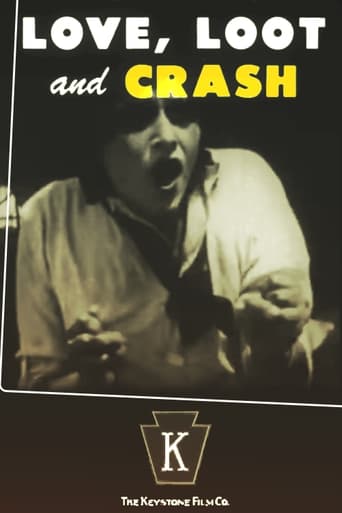
- Acted in 'Love, Loot and Crash' (1915)
- Directed 'The Handy Man' (1923)
- Transitioned successfully from acting to directing during the silent era
- Worked during the golden age of silent comedy
Best Known For
Iconic Roles
Must-See Films
Working Relationships
Worked Often With
Studios
Why They Matter
Impact on Culture
Robert P. Kerr represents the countless unsung contributors to early American cinema who helped shape the language of film during its formative years. While not a major star, his work as both actor and director contributed to the development of silent comedy in Hollywood. His transition from performing to directing was typical of the era, when many actors moved behind the camera as the industry professionalized. Kerr's films, particularly his comedies, were part of the entertainment landscape that defined American popular culture during World War I and the early 1920s.
Lasting Legacy
Though largely forgotten today, Robert P. Kerr's career exemplifies the journey of many early film pioneers who worked during cinema's most experimental period. His films serve as historical artifacts documenting the evolution of American comedy and the transition from short films to features. Kerr represents the generation of filmmakers who established many of the techniques and conventions that would later be refined by more famous directors. His work, preserved in film archives, provides insight into the creative processes of early Hollywood.
Who They Inspired
While not widely documented as an influence on later filmmakers, Kerr was part of the collective effort that established American comedy cinema. His work contributed to the development of visual comedy techniques that would later be perfected by comedians like Charlie Chaplin, Buster Keaton, and Harold Lloyd. The physical comedy style he practiced influenced generations of comedians and filmmakers who followed.
Off Screen
Very little documented information exists about Robert P. Kerr's personal life, which was common for many behind-the-scenes figures of early cinema who did not achieve major stardom. Like many film industry professionals of his era, he was likely drawn to the burgeoning film business in California during the 1910s.
Did You Know?
- Worked during the transition period when American cinema was moving from short films to feature-length productions
- His active years covered only eight years, typical for many early film industry professionals
- Participated in both the creative and business sides of early filmmaking
- His film 'The Handy Man' was released near the end of his known career
- Like many silent era figures, much of his personal history remains undocumented
- His acting work included the popular chase comedies that dominated mid-1910s cinema
- Kerr was part of the generation that helped establish Hollywood as the center of American film production
Frequently Asked Questions
Who was Robert P. Kerr?
American actor and on YTB.my. He was known for his work in comedies, both as a performer in films like 'Love, Loot and Crash' and as a director of 'The Handy Man'.
What films is Robert P. Kerr best known for?
Titles linked here include Love, Loot and Crash (1915), The Handy Man (1923).
When was Robert P. Kerr active in films?
Robert P. Kerr was active in the film industry from 1915 to 1923, working during the peak years of American silent cinema. This eight-year active years covered a crucial period of development in Hollywood.
What was Robert P. Kerr's contribution to early cinema?
Kerr contributed to early cinema through his work in silent comedies, helping develop the visual language and comedic techniques that would influence later filmmakers. His transition from actor to director was typical of industry professionals of his era.
What style of comedy did Robert P. Kerr work in?
Kerr worked in the physical, slapstick comedy style popularized by Mack Sennett and Keystone Studios. His films featured the exaggerated gestures, chase sequences, and visual gags that characterized American silent comedy of the mid-1910s to early 1920s.