Love, Loot and Crash
"A flustered father seeks a cook for his kitchen."
Keys: Space play/pause · ←/→ 10s · F fullscreen · M mute · </> speed
About this film
A flustered father seeks a cook for his kitchen, his daughter seeks to elope and a pair of crooks seek to get some loot. Add the Keystone Cops and stir vigorously.
Cast & crew
More films like this
More Comedy films
View all →







More about this film
About the production
Release dateMarch 15, 1915
Box officeNot documented - box office records from this era are largely incomplete
ProductionKeystone Film Company
Filmed inLos Angeles, California, Keystone Studios, Edendale
was produced during the peak of Keystone Studios' output, when they were churning out dozens of short comedies each month. The film was likely shot in just a few days, as was typical for Keystone productions of this era. The use of the Keystone Cops, who were one of the studio's most famous recurring characters, suggests this was intended as a showcase vehicle for their particular brand of incompetent law enforcement comedy.
Themes
Classical comedy of errorsGenerational conflictCriminal incompetenceRomantic rebellionDomestic chaos
Themes & topics
Keystone CopsElopementCookingRobberyChaseSlapstickFather-daughter relationshipCriminalsDomestic comedyPhysical comedy
Historical background
The 1915 release of Love, Loot and Crash belongs to its era's exhibition habits rather than today's franchise model.
Why this film matters
Archivists revisit Love, Loot and Crash (1915) for performance styles and craft choices later mainstream releases refined.
Making of
Like most Keystone productions, 'Love, Loot and Crash' was made with incredible speed and efficiency. The studio's factory-like approach to filmmaking meant that scripts were often minimal, with much of the comedy improvised on set by the actors. Frank Griffin, as director, would have worked closely with the performers to choreograph the elaborate chase sequences and slapstick gags. The Keystone Cops were actually regular actors at the studio who would appear in multiple films, developing their characters through repetition. The film's exterior shots were likely filmed on the streets around the Keystone Studios in Edendale (now part of Los Angeles), where the studio had established relationships with local businesses and residents who tolerated the frequent disruption of film shoots.
What critics said
Audience data from 1915 is sparse; reception for Love, Loot and Crash is inferred from reissue and archival interest.
Did you know?
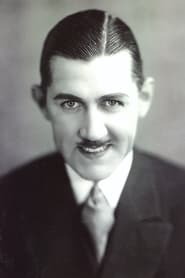
- represents one of Charley Chase's early appearances before he became a major comedy star in his own right
- The Keystone Cops were created by Mack Sennett and became defining comedy tropes of the silent era
- Frank Griffin was a prolific director at Keystone, directing over 200 shorts during his career
- The film was released during the height of the 'comedy chase' genre, which Keystone Studios essentially pioneered
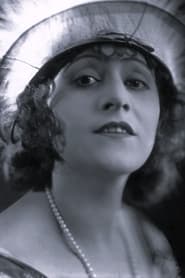
- Fontaine La Rue was one of the few actresses who successfully transitioned from being a Mack Sennett Bathing Beauty to having substantial acting roles
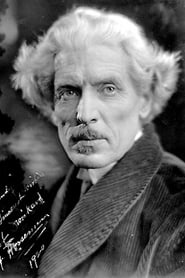
- Josef Swickard was a German-born actor who appeared in over 300 films between 1912 and 1940
- The title 'Love, Loot and Crash' perfectly encapsulates the three main plot elements that drive the narrative
- Keystone Studios was producing up to 50 films per month during this period, making individual films like this part of a massive output
- The film's 15-minute runtime was standard for comedy shorts of this era
- This was released the same year as Charlie Chaplin's departure from Keystone, marking a transitional period for the studio
Visual style
The cinematography in 'Love, Loot and Crash' would have been typical of Keystone productions - functional rather than artistic. The camera was likely stationary for most dialogue scenes, with more dynamic movement during chase sequences. The film was shot in black and white on 35mm film, with natural lighting used for exterior scenes and basic studio lighting for interiors. The cinematographer would have focused on capturing the physical comedy clearly, ensuring that gags and pratfalls were visible to the audience. Chase scenes would have used multiple camera setups to follow the action, though editing would have been relatively simple by modern standards.
Innovations
While not technically innovative, 'Love, Loot and Crash' represents the refinement of Keystone's established production methods. The studio had perfected the art of making comedy shorts quickly and efficiently, with standardized workflows and reliable technical processes. The film likely made use of the studio's permanent sets and stock footage to speed up production. The chase sequences, while not groundbreaking, demonstrate the studio's mastery of action comedy and their ability to coordinate complex physical gags. The film's success in telling a complete story with multiple plot threads in just 15 minutes shows the narrative efficiency that had been developed in the short film format.
Music
As a silent film, 'Love, Loot and Crash' would have been accompanied by live musical performance during its theatrical run. The typical Keystone comedy would have been scored with upbeat, jaunty piano music or small orchestra accompaniment. The music would have been largely improvisational, with musicians using cue sheets or their knowledge of standard musical motifs for different emotions and actions. Fast-paced chase sequences would have been accompanied by frantic music, while romantic moments would have used slower, more melodic themes. The exact musical selections would have varied from theater to theater, as there was no standardized score for most shorts of this era.
Memorable scenes
- The climactic chase sequence where the Keystone Cops pursue the criminals while the eloping couple tries to escape, resulting in a three-way collision of plotlines in a chaotic street scene
What audiences thought
Audiences in 1915 responded enthusiastically to Keystone comedies, which were among the most reliable forms of entertainment available at nickelodeons and movie theaters. The fast-paced action, physical comedy, and predictable but satisfying formula made these shorts extremely popular. The inclusion of the Keystone Cops was always a draw, as audiences had come to love their particular brand of incompetent policing. Contemporary audience reactions would have been vocal and immediate, with laughter and applause common in movie theaters of the era. The film's combination of romance, crime, and comedy appealed to broad audiences, making it typical of the successful Keystone formula.
Film connections
Influenced by
- Earlier French comedies by Georges Méliès and Pathé Frères
- American vaudeville traditions
- Mack Sennett's established Keystone formula
- Chase comedy films from the Biograph Studio
This film influenced
- Later Hal Roach comedy shorts
- The Three Stooges shorts
- Abbott and Costello films
- Jackie Chan's action comedies
- Modern screwball comedies
Film restoration
The preservation status of 'Love, Loot and Crash' is uncertain. Many Keystone shorts from this period have been lost due to the unstable nitrate film stock used in the era and the lack of systematic preservation efforts. The film may exist in archives such as the Library of Congress, the Museum of Modern Art, or private collections, but its current condition and accessibility are not well documented. Some Keystone shorts have survived through distribution copies or as part of compilation films, but many individual titles remain lost.
Where to watch
- The film's current availability is unclear due to its age and preservation status. It may be accessible through specialized silent film archives, film museum collections, or as part of Keystone compilation releases. Organizations like the Library of Congress, the UCLA Film & Television Archive, or the British Film Institute may hold copies. Silent film enthusiast websites or YouTube might have uploads if the film has entered the public domain, though quality may vary significantly.