Frank Griffin
Director
Born: April 17, 1876 in Kansas, United States Died: March 17, 1958 Active: 1913-1925 Birth Name: Franklin Griffin
Films
1 film
About Frank Griffin
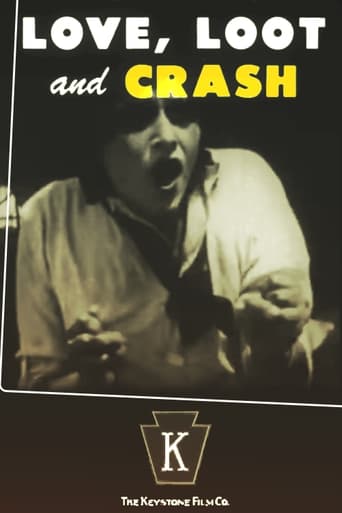
American film director, screenwriter, and actor who was active during the silent era, particularly known for his work in comedy films. Born in 1876, he began his career in the early days of cinema and became associated with Mack Sennett's influential Keystone Studios, where he contributed to the development of slapstick comedy. Griffin's most notable directorial work, 'Love, Loot and Crash' (1915), exemplified the fast-paced, chaotic comedy style that characterized Keystone productions. Throughout his career, he wrote and directed numerous comedy shorts, often working with some of the era's biggest comedy stars. His work spanned from the mid-1910s through the early 1920s, during which he helped shape the language of silent comedy cinema. After his directing career wound down, he continued to work in the film industry in various capacities. Griffin passed away in 1958, leaving behind a legacy of contributions to early American comedy cinema.
The Craft
Behind the Camera
Frank Griffin's directing style was characterized by the fast-paced, chaotic energy typical of Keystone Studios comedies. He employed rapid pacing, physical gags, and situational comedy that became hallmarks of the slapstick genre. His direction emphasized visual humor over dialogue, utilizing the full potential of silent film storytelling through exaggerated movements, chase sequences, and carefully timed comedic mishaps.
Milestones
- Directed 'Love, Loot and Crash' (1915)
- Worked at Mack Sennett's Keystone Studios
- Wrote and directed numerous comedy shorts in the 1910s
- Contributed to the development of early slapstick comedy
- Collaborated with prominent silent era comedians
Best Known For
Must-See Films
Working Relationships
Worked Often With
Studios
Why They Matter
Impact on Culture
Frank Griffin contributed to the golden age of silent comedy by helping establish the visual language and techniques that would define slapstick cinema. His work at Keystone Studios during the formative years of American comedy film helped create a template for physical comedy that would influence generations of comedians and filmmakers. The rapid-fire pacing and elaborate chase sequences in films like 'Love, Loot and Crash' became staples of comedy cinema that persisted well into the sound era.
Lasting Legacy
While not as widely remembered as some of his contemporaries, Frank Griffin's work represents an important chapter in the development of American comedy cinema. His films are studied by film historians as examples of early Keystone comedy techniques and the evolution of visual storytelling in silent film. The comedic structures and timing he helped develop continue to influence comedy filmmaking today.
Who They Inspired
Griffin's work at Keystone Studios influenced the development of physical comedy in cinema, contributing to techniques that would later be refined by comedians like Charlie Chaplin, Buster Keaton, and Harold Lloyd. His approach to visual gags and chase sequences became part of the foundational vocabulary of comedy filmmaking.
Off Screen
Frank Griffin was born in Kansas in 1876 and later moved to California to pursue his career in the burgeoning film industry. He was part of the early generation of filmmakers who helped establish Hollywood as the center of American cinema. Details about his personal life, including marriages and family, are scarce in historical records, as was common for many behind-the-scenes figures of the silent era.
Did You Know?
- 'Love, Loot and Crash' was one of over 100 films Griffin worked on during his career
- He began his film career as an actor before transitioning to writing and directing
- Keystone Studios, where Griffin worked, was responsible for launching the careers of many silent era stars
- The film industry was still in its infancy when Griffin began his career in 1913
- Many of Griffin's films are now considered lost, a common fate for silent era productions
- He was part of the generation of filmmakers who established Hollywood as the film capital
- His work spanned the transitional period when films went from short subjects to feature-length productions
Frequently Asked Questions
Who was Frank Griffin?
American on YTB.my. He directed 'Love, Loot and Crash' in 1915 and contributed to the development of early slapstick comedy cinema.
What films is Frank Griffin best known for?
Titles linked here include Love, Loot and Crash (1915), A Movie Star (1916).
When was Frank Griffin born and when did he die?
Born April 17, 1876; died March 17, 1958.
What awards did Frank Griffin win?
Frank Griffin did not receive any major awards or nominations during his career, which was common for many behind-the-scenes figures of the silent era. His contributions to early comedy cinema are recognized primarily through film historical research rather than formal accolades.
What was Frank Griffin's directing style?
Frank Griffin's directing style was characterized by fast-paced, chaotic energy typical of Keystone Studios comedies. He employed rapid pacing, physical gags, and situational comedy with an emphasis on visual humor, utilizing exaggerated movements and carefully timed comedic sequences that became hallmarks of early slapstick cinema.