Films
3 films
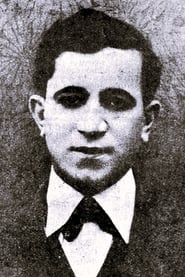
About Harry Mann
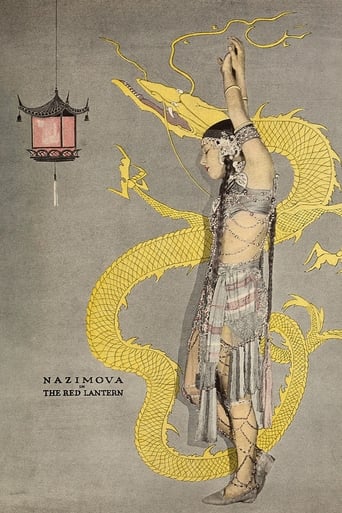
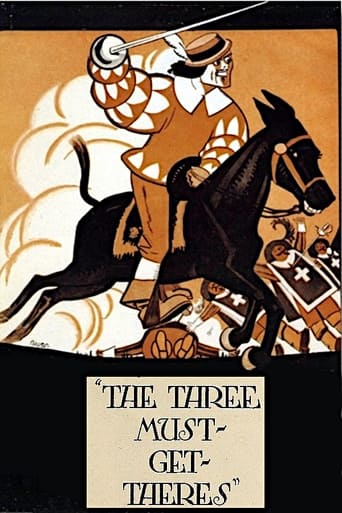
Character actor during the silent film era, primarily active in the early 1920s. His brief but notable filmography includes appearances in several significant productions of the period. Harry appears in 'The Red Lantern' (1919), starring Alla Nazimova, which was one of the early films to feature an interracial romance subplot. Mann worked with comedian Max Linder in the parody film 'The Three Must-Get-Theres' (1922), which spoofed the popular Three Musketeers stories. His final known film appearance was in 'The Handy Man' (1923), a comedy short typical of the era's format. Like many character actors of the silent period, Mann's career appears to have been relatively brief, spanning approximately four years before the transition to sound films began to reshape Hollywood.
The Craft
Milestones
- Appeared in 'The Red Lantern' (1919) starring Alla Nazimova
- Worked with Max Linder in 'The Three Must-Get-Theres' (1922)
- Featured in comedy short 'The Handy Man' (1923)
Best Known For
Iconic Roles
Must-See Films
Working Relationships
Worked Often With
Why They Matter
Impact on Culture
Harry Mann represents the countless character actors who formed the backbone of silent era cinema. While not a major star, his contributions to films like 'The Red Lantern' and 'The Three Must-Get-Theres' helped create the early Hollywood. His work with figures like Alla Nazimova and Max Linder places him within the context of cinema's formative years, when the industry was still establishing its conventions and stars. Like many supporting actors of his era, Mann's legacy is preserved through the films themselves, serving as a reminder of the ensemble nature of early filmmaking.
Lasting Legacy
Harry Mann's legacy is primarily preserved through his surviving film work from the early 1920s. As a character actor during the transition from short films to feature-length productions, he represents the working actors who populated early Hollywood. His appearances in notable productions of the period ensure that he remains part of cinema history, even if detailed biographical information has been lost to time. His career exemplifies the typical trajectory of many silent era supporting actors who worked steadily for a few years before fading from historical records.
Who They Inspired
As a supporting actor during the silent era, Harry Mann's direct influence on subsequent generations of performers is difficult to trace. However, like all actors from this period, he contributed to the development of film acting techniques and conventions that would influence later generations. His work in both dramatic and comedic productions demonstrates the versatility required of early film actors, who often had to adapt to various genres and working styles.
Off Screen
Very little is documented about Harry Mann's personal life, which is typical for many character actors from the silent era who did not achieve star status.
Did You Know?
- Appeared in 'The Three Must-Get-Threes' (1922), a parody film directed by and starring Max Linder
- Worked during the transitional period when Hollywood was shifting from short films to feature-length productions
- His film active years covered only four years, typical for many character actors of the silent era
- Appeared in 'The Red Lantern' (1919), which was notable for its time for featuring an interracial romance subplot
- Like many silent era actors, detailed biographical information about him has been lost to history
Frequently Asked Questions
Who was Harry Mann?
Character with credits in this catalog. He appeared in several notable productions including 'The Red Lantern' (1919) and worked with comedian Max Linder in 'The Three Must-Get-Theres' (1922).
What films is Harry Mann best known for?
Titles linked here include The Red Lantern (1919), The Three Must-Get-Theres (1922).
When was Harry Mann born and when did he die?
Unfortunately, specific birth and death dates for Harry Mann are not documented in historical records, which is common for many supporting actors from the silent era who did not achieve major stardom.
What awards did Harry Mann win?
There are no recorded awards or nominations for Harry Mann, which was typical for character actors during the silent era when formal award systems like the Academy Awards had not yet been established or were not recognizing supporting performances.
What was Harry Mann's acting style?
While specific details about Harry Mann's acting style are not documented, as a silent era actor he would have used exaggerated gestures and facial expressions typical of the period. His work in both dramatic and comedic films suggests versatility in his performances.
Why is there limited information about Harry Mann?
Limited information about Harry Mann is typical for many character actors from the silent era who did not achieve star status. Detailed biographical records were often not maintained for supporting performers, and many personal details have been lost to history.