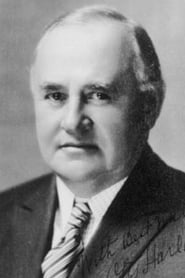
Otis Harlan
Actor
Born: December 29, 1865 in Zanesville, Ohio, USA Died: January 21, 1940 Active: 1915-1935
Films
9 films
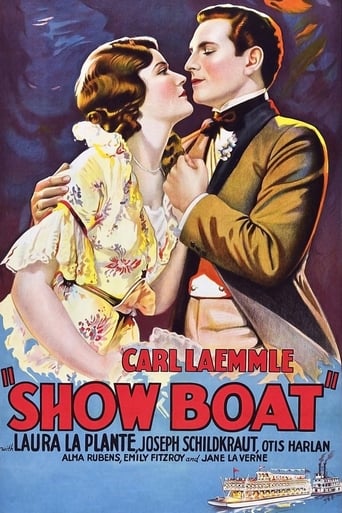
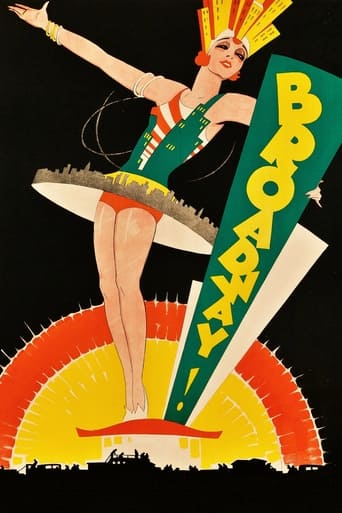
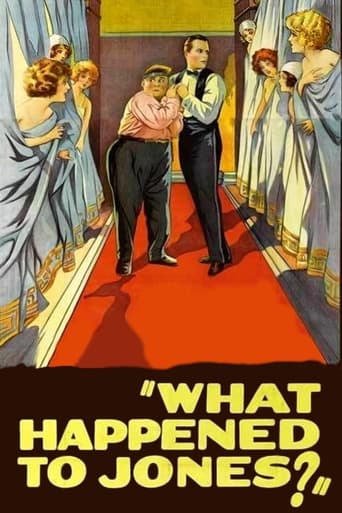

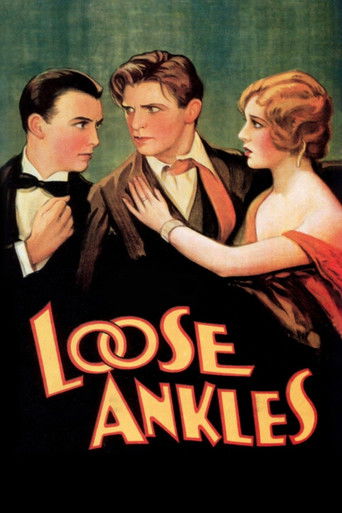
About Otis Harlan
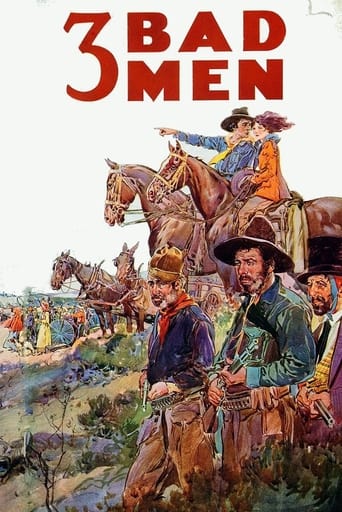
American character actor: the golden age of vaudeville through the transition from silent films to early talkies. Born in Ohio in 1865, Harlan began his entertainment career as a vaudeville performer, honing his comedic skills on the live stage before making the leap to motion pictures in the 1920s. His rotund physique, expressive face, and natural comic timing made him a perfect fit for character roles in silent cinema, where he often played affable, sometimes bumbling supporting characters. Harlan appeared in numerous notable silent films including John Ford's '3 Bad Men' (1926) and Ernst Lubitsch's 'The Student Prince in Old Heidelberg' (1927), working with some of the era's most respected directors. He successfully made the transition to sound films, appearing in the 'The Jazz Singer' (1927) and other early talkies, though his film career waned as the 1930s progressed. Beyond his film work, Harlan remained connected to his vaudeville roots and continued performing in various capacities throughout his life. His death in 1940 marked the passing of an entertainer who had witnessed and participated in the remarkable evolution of American entertainment from live theater to the dawn of modern cinema.
The Craft
On Screen
Harlan was known for his broad, expressive comedic style honed through years of vaudeville performance. His acting relied heavily on physical comedy, facial expressions, and timing rather than dialogue, making him perfectly suited for silent film character roles. He specialized in playing affable, often rotund characters with a gentle, bumbling quality that endeared him to audiences. His distinctive appearance and natural comic presence made him a memorable presence in supporting roles.
Milestones
- Transition from successful vaudeville career to silent films
- Featured in Ernst Lubitsch's 'The Student Prince in Old Heidelberg' (1927)
- Appeared in the landmark film 'The Jazz Singer' (1927)
- Successfully transitioned from silent films to talkies
Best Known For
Iconic Roles
Must-See Films
Accolades
Special Recognition
- Vaudeville Hall of Fame recognition (posthumous)
Working Relationships
Worked Often With
Studios
Why They Matter
Impact on Culture
Otis Harlan represents the important bridge between vaudeville theater and early Hollywood cinema, embodying the transition of American entertainment from live stage to motion pictures. His successful adaptation from stage performance to film acting demonstrated the viability of vaudevillian skills in the new medium of cinema, helping pave the way for other stage performers to make similar transitions. Harlan's presence in landmark films like 'The Jazz Singer' places him at a crucial moment in film history when silent cinema was giving way to sound, making him a witness to and participant in.
Lasting Legacy
Otis Harlan's legacy lies in his contribution to the American silent cinema and his role as a representative of the vaudevillian tradition in early Hollywood. While not a major star, his consistent work in supporting roles helped establish the importance of character actors in creating fully realized cinematic worlds. His successful navigation of the transition from silent to sound films demonstrated the adaptability required of early film actors and contributed to the development of acting techniques that would become standard in talkies. Harlan's career shows the many skilled performers who formed the backbone of early cinema, providing essential support to leading players and helping to define the visual language of silent film comedy.
Who They Inspired
Harlan influenced subsequent generations of character actors through his demonstration of how vaudevillian techniques could be effectively adapted for film performance. His ability to create memorable characters with limited screen time and dialogue set a standard for supporting players in both silent and early sound films. The naturalness of his comic timing and his ability to convey emotion through physical expression provided a model for actors working in the visually-driven medium of silent cinema. While not widely known to modern audiences, his work influenced the development of film comedy and the understanding of how supporting roles contribute to the overall success of motion pictures.
Off Screen
Otis Harlan was married to Nellie B. Harlan, with whom he shared his life throughout his entertainment career. The couple had children together, though specific details about his family life remain limited in historical records. Harlan maintained strong connections to his vaudeville roots even after achieving success in films, often returning to live performance when film opportunities dwindled. His personal life was notably free of the scandals that plagued many Hollywood figures of his era, and he was respected by colleagues for his professionalism and dedication to his craft.
Education
Limited formal education; primarily trained through practical experience in vaudeville and theater
Family
- Nellie B. Harlan (married until his death in 1940)
Did You Know?
- Began his career as a vaudeville performer before entering films
- His rotund physique and distinctive appearance made him easily recognizable to audiences
- Appeared in 'The Jazz Singer' (1927), the first feature-length film with synchronized dialogue sequences
- Worked with directors including John Ford and Ernst Lubitsch
- Successfully transitioned from silent films to talkies, a challenge that ended many careers
- Often typecast in comic roles due to his vaudeville background
- His film career was relatively brief but prolific, with numerous appearances in the mid-1920s
- Represented the generation of performers who bridged 19th-century theater and 20th-century cinema
- Maintained connections to live performance throughout his film career
- His active years covered the crucial transition period from silent to sound cinema
In Their Own Words
While specific quotes are not widely documented, his performances were characterized by the expressive physical comedy typical of vaudevillian-trained actors
His screen presence conveyed warmth and humor without reliance on dialogue
Frequently Asked Questions
Who was Otis Harlan?
American character with credits in this catalog. He began his career in vaudeville before transitioning to films in the 1920s, where he became known for his comic supporting roles in movies like '3 Bad Men' and 'The Student Prince in Old Heidelberg'.
What films is Otis Harlan best known for?
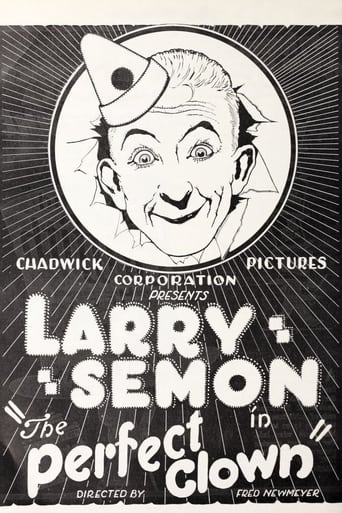
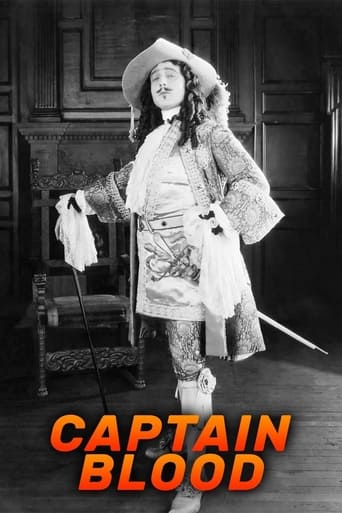
Titles linked here include Captain Blood (1924), The Perfect Clown (1925).
When was Otis Harlan born and when did he die?
Born December 29, 1865; died January 21, 1940.
What awards did Otis Harlan win?
Otis Harlan did not receive major film awards during his career, as he worked primarily as a character actor during the early days of cinema before the establishment of many formal award systems. He has been posthumously recognized for his contributions to vaudeville and early film.
What was Otis Harlan's acting style?
Harlan's acting style was rooted in his vaudeville training, characterized by broad physical comedy, expressive facial gestures, and impeccable comic timing. He specialized in playing affable, often bumbling characters using visual humor rather than dialogue, making him perfectly suited for silent film roles.