
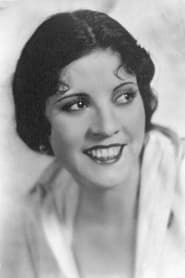
Olive Borden
Actor
Born: July 14, 1906 in Richmond, Virginia, USA Died: October 1, 1947 Active: 1924-1934 Birth Name: Olive Mary Borden
Films
2 films
About Olive Borden
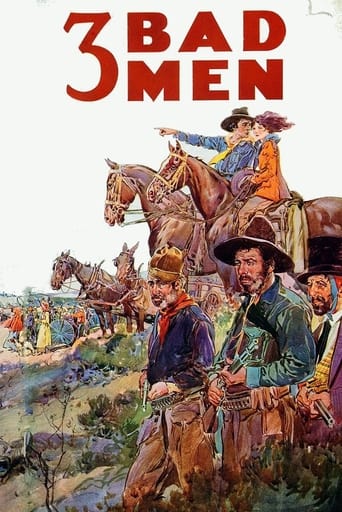
prominent American actress during the silent film era — known for her beauty, vivacious personality, and comedic talents. Born in Richmond, Virginia, she began her career as a model before being discovered by comedy pioneer Mack Sennett in 1924, which launched her film career with a series of popular comedy shorts. Borden quickly rose to stardom, earning $1,500 per week at her peak and being named one of the WAMPAS Baby Stars of 1925, an honor bestowed on promising young actresses. She transitioned successfully from comedy shorts to feature films, most notably starring in John Ford's acclaimed Western '3 Bad Men' (1926) alongside George O'Brien. Her career embodied the spirit of the Roaring Twenties, with her flapper persona and rebellious screen presence resonating with contemporary audiences. Like many silent film stars, Borden's career declined dramatically with the advent of sound, as her voice was not considered suitable for talkies. Despite attempts at comebacks in the early 1930s, she eventually left the film industry and faced financial difficulties in her later years, working various jobs including as a nurse's aide during World War II before her death from pneumonia in 1947 at age 41.
The Craft
On Screen
Olive Borden was renowned for her energetic and vivacious screen presence, particularly excelling in comedy roles that showcased her natural flair for physical comedy and expressive facial acting. Her performances perfectly embodied the carefree, rebellious spirit of the 1920s flapper, combining innocence with sass that appealed to contemporary audiences. She had a distinctive ability to convey emotion through subtle gestures and expressions, making her particularly effective in silent films where visual storytelling was paramount. Her comedy style was influenced by her work with Mack Sennett, featuring slapstick elements mixed with sophisticated timing and charm.
Milestones
- Discovered by Mack Sennett in 1924 after winning a beauty contest
- Named one of the WAMPAS Baby Stars of 1925
- Signed lucrative contract with Fox Film Corporation in 1925
- Earned $1,500 per week at the height of her career
- Successfully transitioned from comedy shorts to feature films
- Known as 'The Joy Girl' after her 1927 film of the same name
Best Known For
Iconic Roles
Must-See Films
Accolades
Won
- WAMPAS Baby Star Award (1925)
Special Recognition
- Motion Picture Relief Fund funeral assistance (1947)
Working Relationships
Worked Often With
Studios
Why They Matter
Impact on Culture
Olive Borden represented the quintessential flapper of the Roaring Twenties, embodying the era's changing social norms and youth culture through her film performances. Her screen persona captured the spirit of rebellion against Victorian constraints that defined the 1920s, making her an icon of the Jazz Age. As one of the many silent film stars whose careers were derailed by the transition to sound, she became emblematic of the industry's rapid technological evolution and its human cost. Her distinctive bobbed hairstyle and fashion sense influenced women's style trends of the period, extending her impact beyond cinema into broader popular culture. Borden's story illustrates both the glamour and the precariousness of early Hollywood stardom, serving as a cautionary tale about the fleeting nature of fame in the film industry.
Lasting Legacy
Olive Borden's legacy lies primarily in her contribution to silent film comedy and her representation of 1920s popular culture. While her name is not as widely remembered as some of her contemporaries like Clara Bow or Louise Brooks, film historians recognize her as an important figure of her era who helped define the flapper archetype in American cinema. Her performances in films like '3 Bad Men' continue to be studied and appreciated by silent film enthusiasts and scholars, showcasing her comedic timing and screen presence. Her career trajectory serves as a compelling case study in the challenges faced by silent actors during the transition to sound films, highlighting the industry's evolution and its impact on individual careers. The Motion Picture Relief Fund's assistance with her funeral demonstrates the industry's recognition of her contributions, even in her final days of obscurity.
Who They Inspired
Olive Borden influenced the development of the flapper character type in silent film comedy, helping establish conventions that would be adopted by other actresses playing similar roles. Her energetic style and screen presence set a standard for actresses in comedic roles during the mid-1920s, particularly in the Mack Sennett comedy tradition. While she didn't have the lasting influence of major stars, her work contributed to the evolution of female comedic characters in American cinema, moving away from Victorian sensibilities toward more modern, independent portrayals. Her fashion choices, particularly her bobbed hairstyle, influenced women's style trends of the period, extending her cultural impact beyond the silver screen. Her career trajectory also influenced how the industry viewed the challenges of transitioning from silent to sound films, serving as an early example of the technological disruption that would reshape Hollywood.
Off Screen
Olive Borden's personal life was marked by both glamour and tragedy. She was known for her beauty and was a fixture at Hollywood social events during her peak years. In 1927, she married George S. Patton Jr., who would later become the famous World War II general, but the marriage was brief and ended in divorce in 1928, reportedly due to incompatibility and Patton's military career demands. She later married Jack Squire in 1931, but this marriage also ended in divorce. Following her career decline, Borden faced significant financial difficulties and struggled with alcoholism. In 1931, she made a suicide attempt following career setbacks, which was widely reported in the press. During World War II, she served as a nurse's aide, demonstrating resilience in the face of adversity. Her final years were spent in poverty, and she died in a skid row hotel in Los Angeles from pneumonia and complications from alcoholism.
Education
Limited information available, but she received basic education in Richmond, Virginia before moving to New York to pursue modeling and acting opportunities
Family
- George S. Patton Jr. (1927-1928)
- Jack Squire (1931-1933)
Did You Know?
- Discovered by Mack Sennett after winning a beauty contest in 1924
- Was one of the WAMPAS Baby Stars of 1925, an annual selection of promising young actresses
- Her nickname was 'The Joy Girl' after her 1927 film of the same name
- Briefly married to future General George S. Patton Jr. From 1927-1928
- Earned $1,500 per week at the height of her career, equivalent to over $25,000 today
- Attempted suicide in 1931 following career setbacks and personal difficulties
- Worked as a nurse's aide during World War II despite her declining health
- Died in a skid row hotel in Los Angeles at age 41
- Her funeral was paid for by the Motion Picture Relief Fund
- Was known for her distinctive bobbed hairstyle that influenced women's fashion
- Made over 30 films during her decade-long career
- Was one of the highest-paid actresses of the mid-1920s despite her young age
In Their Own Words
In pictures, you can't afford to be temperamental. You must be ready to work when you're called.
I'd rather be a has-been than a never-was.
The public is fickle. One day you're a star, the next you're forgotten.
Comedy is serious business. It takes more talent to make people laugh than to make them cry.
Frequently Asked Questions
Who was Olive Borden?
Popular American actress during the silent film era, known for her comedy roles and flapper persona. She was discovered by Mack Sennett and became one of the highest-paid actresses of the mid-1920s before her career declined with the advent of sound films.
What films is Olive Borden best known for?
Titles linked here include 3 Bad Men (1926), The Monkey Talk (1927).
When was Olive Borden born and when did she die?
Born July 14, 1906; died October 1, 1947.
What awards did Olive Borden win?
Olive Borden was named one of the WAMPAS Baby Stars of 1925, an annual honor recognizing promising young actresses. While she didn't receive major industry awards during her career, this recognition helped establish her as a rising star in Hollywood.
What was Olive Borden's acting style?
Olive Borden was known for her energetic and vivacious screen presence, excelling in physical comedy and expressive facial acting. Her performances embodied the carefree spirit of the 1920s flapper, combining innocence with sass that appealed to contemporary audiences.
Why did Olive Borden's career decline?
Olive Borden's career declined primarily due to the transition from silent films to talkies. Studio executives considered her voice unsuitable for sound films, and like many silent stars, she couldn't adapt to the new medium. Personal issues including a difficult marriage to George Patton and later struggles with alcoholism also contributed to her decline.
Was Olive Borden married to George Patton?
Yes, Olive Borden was briefly married to George S. Patton Jr., who would later become the famous World War II general. They married in 1927 but divorced in 1928, reportedly due to incompatibility and the demands of Patton's military career.
How did Olive Borden die?
Olive Borden died on October 1, 1947, from pneumonia and complications from alcoholism in a skid row hotel in Los Angeles. She had fallen on hard times after her film career ended, and her funeral was paid for by the Motion Picture Relief Fund.