
Lou Tellegen
Actor
Born: November 26, 1881 in Sint-Oedenrode, Netherlands Died: October 29, 1934 Active: 1912-1926 Birth Name: Isidor Lodewijk Verkamp
Films
5 films
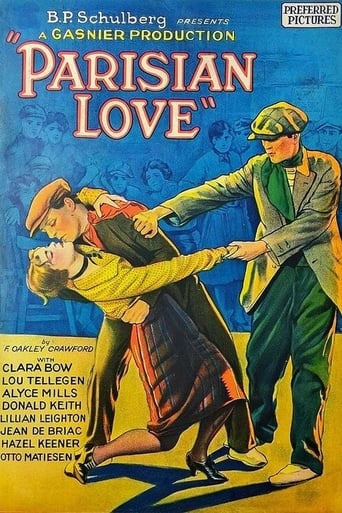
About Lou Tellegen
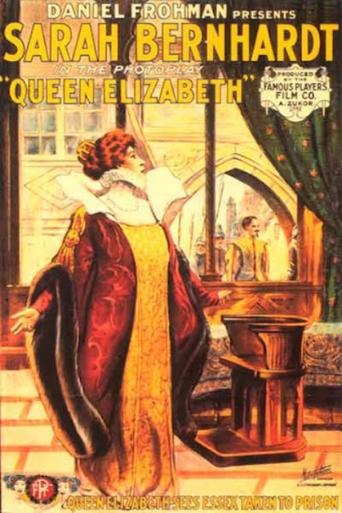
Lou Tellegen, born Isidor Lodewijk Verkamp, was a Dutch-American silent film star whose career trajectory mirrored the dramatic highs and lows of early Hollywood. Initially trained as an opera singer, he transitioned to stage acting in Europe before being discovered by the Sarah Bernhardt, who made him her leading man and romantic partner. Tellegen made his film debut in the 1912 feature 'Queen Elizabeth' opposite Bernhardt, which helped establish him as a major romantic leading man in early cinema. Throughout the 1910s and early 1920s, he starred in numerous successful silent films, becoming one of the era's most handsome and popular male stars. However, his career declined rapidly with the advent of sound films and changing audience tastes, compounded by his mounting financial problems and personal struggles. His life ended tragically in 1934 when he took his own life in a Hollywood hotel room, marking one of the earliest high-profile Hollywood suicides.
The Craft
On Screen
Tellegen was known for his romantic, theatrical acting style typical of the silent era, emphasizing dramatic gestures and intense facial expressions. His stage background with Sarah Bernhardt influenced his grand, emotive performances that translated well to silent cinema's visual storytelling requirements. He specialized in playing romantic leads and dashing heroes, using his striking good looks and commanding screen presence to captivate audiences.
Milestones
- Discovery by Sarah Bernhardt and becoming her leading man
- Starred in the landmark feature film 'Queen Elizabeth' (1912)
- Became one of the first major male silent film stars in Hollywood
- Transitioned successfully from European stage to American cinema
Best Known For
Iconic Roles
Must-See Films
Accolades
Special Recognition
- Star on the Hollywood Walk of Fame (for contributions to motion pictures)
Working Relationships
Worked Often With
Studios
Why They Matter
Impact on Culture
Lou Tellegen represented the transition from theatrical performance to cinematic stardom in the early 20th century. His success demonstrated how European stage actors could cross over to become Hollywood film stars, paving the way for other international performers. His tragic decline and suicide also highlighted the darker side of early Hollywood fame, bringing attention to the psychological pressures and financial instability that could accompany stardom in the silent era. Tellegen's story became a cautionary tale about the fleeting nature of celebrity in the rapidly changing film industry.
Lasting Legacy
Tellegen's legacy is primarily as one of the first major male stars of silent cinema and as a symbol of the era's glamour and tragedy. While many of his films are now lost, his surviving work provides insight into early acting techniques and the evolution of romantic leading men in cinema. His life story has been referenced in numerous books about Hollywood history and the dark side of fame. His Hollywood Walk of Fame star ensures his contributions to early cinema are remembered, and his films are studied by silent film enthusiasts and historians.
Who They Inspired
Tellegen influenced the archetype of the romantic leading man in silent cinema, helping establish the visual language of on-screen romance and dramatic performance. His theatrical background brought a level of sophistication to early film acting that influenced subsequent generations of actors. His career trajectory also served as an early example of the challenges actors faced when transitioning between different entertainment mediums and adapting to changing industry standards, particularly the shift from silent to sound films.
Off Screen
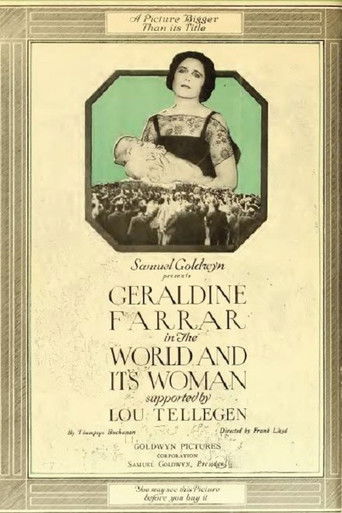
Tellegen's personal life was marked by dramatic relationships and financial struggles. His romantic involvement with Sarah Bernhardt, who was 37 years his senior, was widely publicized and ended acrimoniously. He married multiple times, including to opera singer Geraldine Farrar, but these relationships were often turbulent. Later in life, he faced severe financial difficulties and his career declined sharply, leading to depression. His death by suicide in 1934 was a major Hollywood scandal and one of the first widely reported celebrity suicides in film industry history.
Education
Studied at the Royal Conservatory of The Hague for music and opera training
Family
- Geraldine Farrar (1916-1923)
- Eve Casanova (1925-1928)
- Nina Nivo (1931-1934)
Did You Know?
- Was born with the name Isidor Lodewijk Verkamp but changed it for his acting career
- Served in the Dutch army before pursuing acting
- Was discovered by Sarah Bernhardt while performing in a small theater
- His suicide note famously read 'I am tired of living'
- Many of his films have been lost due to the deterioration of nitrate film stock
- Was one of the first actors to successfully transition from European stage to American cinema
- His relationship with Sarah Bernhardt was
- At the height of his fame, he was one of the highest-paid actors in Hollywood
- He attempted suicide once before in 1929 but was saved
- His death was covered extensively by newspapers and helped launch the era of celebrity scandal journalism
In Their Own Words
I am tired of living.
his suicide note)
The camera is a cold, cruel thing - it captures everything, including the truth we try to hide.
In the theater, the audience comes to you; in films, you must go to them through the lens.
Silence on screen speaks louder than words ever could.
Frequently Asked Questions
Who was Lou Tellegen?
Dutch-American silent film star who became one of the first major male romantic leads in early cinema. He began his career as an opera singer and stage actor in Europe before being discovered by Sarah Bernhardt, with whom he had a famous romantic and professional relationship. He starred in numerous silent films from 1912 to 1926 before his career declined and he tragically took his own life in 1934.
What films is Lou Tellegen best known for?
Titles linked here include Queen Elizabeth (1912), The World and Its Woman (1919).
When was Lou Tellegen born and when did he die?
Born November 26, 1881; died October 29, 1934.
What awards did Lou Tellegen win?
During his lifetime, Lou Tellegen did not receive major film awards, as the Academy Awards were not established until 1929, near the end of his career. However, he was posthumously honored with a star on the Hollywood Walk of Fame for his contributions to motion pictures. His recognition came primarily through his popularity with audiences and his status as a leading man in silent cinema.
What was Lou Tellegen's acting style?
Tellegen's acting style was theatrical and dramatic, typical of the silent era, characterized by grand gestures and expressive facial performances. His training with Sarah Bernhardt influenced his approach, emphasizing emotional intensity and romantic charisma. He specialized in playing dashing heroes and romantic leads, using his striking appearance and commanding presence to captivate silent film audiences.