Films
2 films
About Maude Wayne
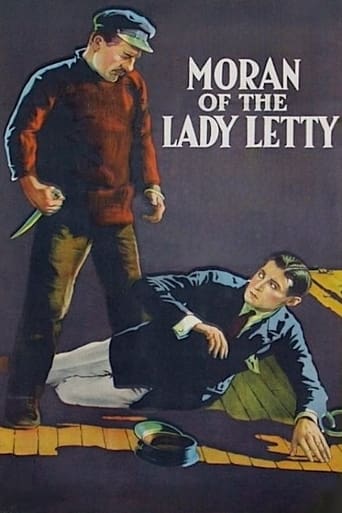
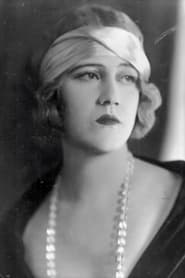
Maude Wayne appears once in this catalog: Moran of the Lady Letty (1922). Making her mark in Hollywood's golden era of cinema. Her career, though brief, coincided with the height of the silent film period when the industry was rapidly evolving. She is primarily known for her role in the 1922 adventure film 'Moran of the Lady Letty,' which starred the Rudolph Valentino during his peak popularity. Wayne's performance in this maritime drama showcased her abilities during a time when actresses needed to convey emotion entirely through physical expression and pantomime. Despite the potential of her screen presence, her filmography appears to have been limited to this single notable appearance, making her one of the many talented performers who briefly graced the silver screen during Hollywood's formative years. Her career trajectory reflects the transient nature of early Hollywood, where many actors appeared in only a handful of films before disappearing from the historical record.
The Craft
On Screen
As a silent film actress, Maude Wayne would have employed the dramatic physical acting style characteristic of the era, relying heavily on facial expressions, gestures, and body language to convey emotion and narrative to audiences without spoken dialogue. Her performance would have been shaped by the theatrical traditions that influenced early cinema, where exaggerated movements and expressive pantomime were essential for storytelling.
Milestones
- Appeared in 'Moran of the Lady Letty' (1922) alongside Rudolph Valentino
- Worked during the peak of silent cinema
- Participated in one of Valentino's most popular adventure films
Best Known For
Iconic Roles
Must-See Films
Working Relationships
Worked Often With
Studios
Why They Matter
Impact on Culture
Maude Wayne's contribution to cinema, while limited to a single known film, represents the broader tapestry of silent era filmmaking where numerous actors, even those with brief careers, helped create the foundation of modern cinema. Her appearance in 'Moran of the Lady Letty' places her within the context of early Hollywood's adventure genre and alongside one of the era's biggest stars, Rudolph Valentino. Though her individual impact may seem minimal, she was part of the collaborative effort that produced one of the notable films of 1922, contributing to the rich visual storytelling tradition that defined silent cinema.
Lasting Legacy
Maude Wayne's legacy is primarily preserved through her participation in 'Moran of the Lady Letty,' a film that has survived as an example of early 1920s adventure cinema and remains part of Rudolph Valentino's filmography. While she may not have achieved lasting fame, her inclusion in this historically significant film ensures her place in the annals of silent cinema history. Her story serves as a reminder of the countless actors who briefly appeared during Hollywood's formative years, each contributing in their own way to the development of the film industry.
Who They Inspired
Due to her brief filmography, there is little documented evidence of Maude Wayne's direct influence on other actors or filmmakers. However, like all performers of the silent era, she contributed to the development of screen acting techniques that would evolve and influence future generations of film actors, particularly in the realm of physical expression and non-verbal storytelling.
Off Screen
Very little is documented about Maude Wayne's personal life, which is not uncommon for supporting actors from the silent era who did not achieve major stardom. Like many performers of her time, her life story remains largely unrecorded in film history, making her one of the countless anonymous talents who contributed to early cinema.
Did You Know?
- Appeared in a film starring Rudolph Valentino during his peak popularity in 1922
- 'Moran of the Lady Letty' was one of several maritime adventure films popular during the early 1920s
- The film was based on a novel by Frank Norris, a popular American author of the time
- Her entire known film career consists of a single year (1922)
- The film survives today, preserving her performance for modern audiences
- She worked during the transition period when films were becoming longer and more sophisticated
- The movie was produced by Paramount Pictures, one of the major studios of the silent era
Frequently Asked Questions
Who was Maude Wayne?
Silent film actress active in 1922, best known for her appearance in the adventure film 'Moran of the Lady Letty' starring Rudolph Valentino. Her career appears to have been brief, consisting primarily of this single notable film during the height of the silent era.
What films is Maude Wayne best known for?
Titles linked here include Moran of the Lady Letty (1922).
When was Maude Wayne born and when did she die?
Unfortunately, specific birth and death dates for Maude Wayne are not documented in available historical records, which is not uncommon for supporting actors from the silent era who did not achieve major stardom.
What awards did Maude Wayne win?
There are no recorded awards or nominations for Maude Wayne, which is typical for many supporting actors of the silent era who had brief careers in early Hollywood.
What was Maude Wayne's acting style?
As a silent film actress, Maude Wayne would have employed the dramatic physical acting style characteristic of the era, using exaggerated facial expressions and gestures to convey emotion without spoken dialogue, following the theatrical traditions that influenced early cinema.