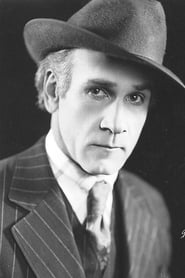
Charles Brinley
Actor
Born: July 16, 1880 in San Francisco, California, USA Died: February 17, 1946 Active: 1915-1932 Birth Name: Charles Edward Brinley
Films
3 films

About Charles Brinley
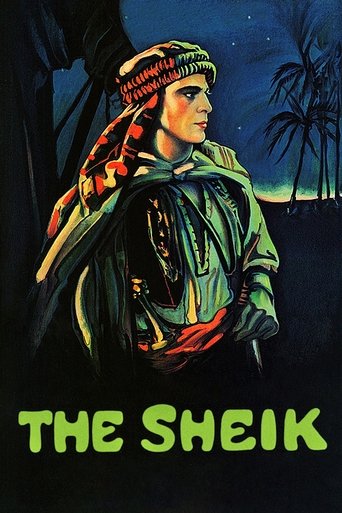
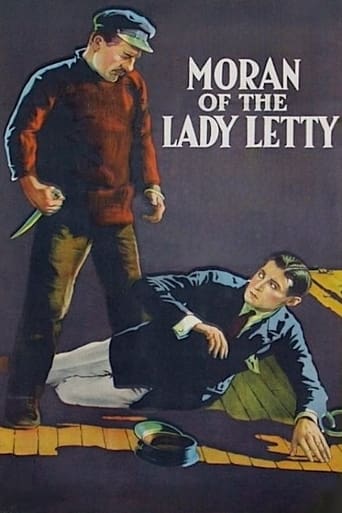
American character actor who flourished during the silent film era, primarily active in the early 1920s. He began his film career at a time when Hollywood was transitioning from short films to feature-length productions, establishing himself as a reliable supporting actor in numerous productions. Brinley worked with some of the biggest stars of his era, including multiple collaborations with the Rudolph Valentino in films like 'The Sheik' (1921) and 'Moran of the Lady Letty' (1922). His filmography, though relatively brief, spanned various genres from romantic dramas to adventure films, showcasing his versatility as a character actor. Like many silent era actors, his career was significantly impacted by the advent of sound films, leading to a gradual decline in his screen appearances. Despite his limited time in the spotlight, Brinley contributed to several significant films that have become classics of silent cinema, leaving his mark on early Hollywood history.
The Craft
On Screen
Brinley was known for his naturalistic approach to acting during the silent era, avoiding the exaggerated gestures common among many of his contemporaries. He specialized in portraying authoritative figures, often playing officials, businessmen, or military officers with a commanding presence. His performances were characterized by subtle facial expressions and controlled movements that conveyed emotion effectively without dialogue.
Milestones
- Appeared in 'The Sheik' (1921) with Rudolph Valentino
- Co-starred in 'Moran of the Lady Letty' (1922)
- Worked extensively with Paramount Pictures during the silent era
- Transitioned briefly into sound films in the early 1930s
- Appeared in over 70 films during his career
Best Known For
Iconic Roles
Must-See Films
Working Relationships
Worked Often With
Studios
Why They Matter
Impact on Culture
Charles Brinley's contributions to silent cinema, while not as prominent as leading stars, helped establish the importance of strong supporting characters in early Hollywood films. His work in major productions like 'The Sheik' contributed to the success of films that defined the romantic exoticism genre of the 1920s. As part of the ensemble casts in these landmark films, Brinley helped create the visual language of silent cinema that would influence generations of filmmakers. His professional approach to acting set standards for character actors who followed, demonstrating that supporting roles were essential to the success of feature films.
Lasting Legacy
Charles Brinley's legacy lies in his contribution to some of the most iconic films of the silent era. While he may not be a household name today, his performances survive as part of the historical record of early American cinema. His work serves as an example of the thousands of dedicated character actors who formed the backbone of Hollywood's golden age, providing the essential supporting framework that allowed stars to shine. Film historians and silent cinema enthusiasts continue to study his performances as examples of the craftsmanship that went into creating the memorable films of the 1920s.
Who They Inspired
Brinley influenced subsequent generations of character actors through his demonstrated professionalism and ability to enhance films through supporting performances. His naturalistic acting style, which avoided the melodramatic excesses common in silent films, helped pave the way for more realistic performances in cinema. The reliability and consistency he brought to his roles set a standard for character actors in the studio system that would follow for decades.
Off Screen
Charles Brinley was born into a family that had settled in California during the Gold Rush era. He married actress Lillian Lawrence in 1915, and their marriage lasted until her death in 1940. The couple often worked together in films during the silent era. Brinley was known for his professionalism on set and was respected by his colleagues for his reliability and dedication to his craft. After his film career declined, he lived a relatively quiet life in Los Angeles until his death in 1946 at the age of 65.
Education
Limited information available about his formal education, but he likely received theatrical training in San Francisco before entering films
Family
- Lillian Lawrence (1915-1940)
Did You Know?
- Brinley appeared in over 70 films during his 17-year career
- He often played characters much older than his actual age
- His wife Lillian Lawrence was also a prominent silent film actress
- He worked with Rudolph Valentino on multiple occasions
- Brinley made a brief transition to sound films but struggled to adapt
- He was one of the few actors to work with both Cecil B. DeMille and George Melford
- His final film appearance was in 1932's 'The Lost Special'
- He began his career in theater before transitioning to films
- Brinley was known for his ability to memorize lines quickly
- He was part of the Paramount Pictures stock company during the early 1920s
In Their Own Words
The secret to success in pictures is not to be the star, but to make the star look good.
Frequently Asked Questions
Who was Charles Brinley?
American character with credits in this catalog. He appeared in over 70 films and was known for his supporting roles in major productions, particularly his collaborations with Rudolph Valentino in films like 'The Sheik' (1921).
What films is Charles Brinley best known for?
Titles linked here include The Sheik (1921), Moran of the Lady Letty (1922).
When was Charles Brinley born and when did he die?
Born July 16, 1880; died February 17, 1946.
What awards did Charles Brinley win?
Charles Brinley did not receive any major awards or nominations during his career. Like many character actors of the silent era, his contributions were primarily recognized through steady employment and the respect of his colleagues rather than formal accolades.
What was Charles Brinley's acting style?
Brinley was known for his naturalistic acting style that avoided the exaggerated gestures common in silent films. He specialized in portraying authority figures and officials with a commanding presence, using subtle facial expressions and controlled movements to convey emotion effectively without dialogue.
Did Charles Brinley transition to sound films?
Yes, Charles Brinley made a brief transition to sound films in the early 1930s, appearing in a few talkies including his final film 'The Lost Special' in 1932. However, like many silent era actors, he struggled to adapt to the new medium and his film career gradually declined.
Was Charles Brinley married?
Yes, Charles Brinley was married to actress Lillian Lawrence from 1915 until her death in 1940. The couple often worked together in films during the silent era and were known as one of Hollywood's reliable acting partnerships.