Cecil Holland
Actor
Born: July 31, 1887 in London, England Died: December 24, 1973 Active: 1915-1928 Birth Name: Cecil Llewellyn Holland
Films
1 film
About Cecil Holland
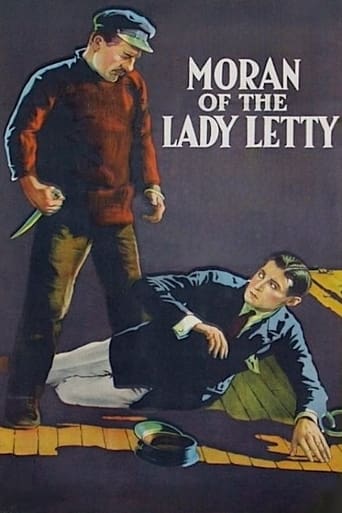
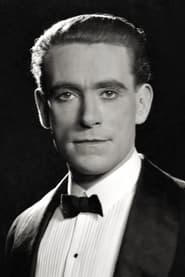
Cecil Llewellyn Holland — British character actor who found success in American silent cinema during the early 1920s. Born in London in 1887, Holland began his career on the British stage before transitioning to film work in the United States. He specialized in playing authoritative or characters, often cast as military officers, aristocrats, or professional men in supporting roles. His most notable film appearance was in the 1922 maritime drama 'Moran of the Lady Letty' starring Rudolph Valentino and Dorothy Dalton, where he played Captain Stephen Moran. Holland's film career was relatively brief but concentrated during the peak of the silent era, though he continued to work in smaller roles as the industry transitioned to sound. After his acting career diminished in the late 1920s, he largely retired from the film industry and lived in Los Angeles until his death in 1973.
The Craft
On Screen
Holland was known for his dignified and authoritative screen presence, employing a classical stage technique that translated well to silent film. His acting style emphasized clear physical gestures and facial expressions appropriate for the silent medium, often conveying authority and sophistication through posture and measured movements. As a character actor, he brought depth to supporting roles through subtle yet impactful performances that complemented the leads.
Milestones
- Stage career in Britain before film work
- Appeared in 'Moran of the Lady Letty' (1922) with Rudolph Valentino
- Transitioned from British theatre to American silent cinema
- Specialized in authoritative character roles throughout the 1920s
Best Known For
Iconic Roles
Must-See Films
Working Relationships
Worked Often With
Studios
Why They Matter
Impact on Culture
Cecil Holland represents the generation of classically trained British actors who contributed to the development of American silent cinema. His work exemplifies the transatlantic exchange of theatrical talent that enriched early Hollywood films, bringing European sophistication and technique to American productions. Though not a major star, his supporting roles helped establish the importance of character actors in creating fully realized cinematic worlds during the silent era.
Lasting Legacy
Holland's legacy lies in his contribution to the golden age of silent cinema as part of the essential supporting cast that gave depth and authenticity to early films. His performance in 'Moran of the Lady Letty' remains proof of the quality of character acting during this period, demonstrating how skilled supporting actors could elevate productions and complement leading stars. He represents the many skilled performers who were integral to Hollywood's silent era success but whose names have faded from popular memory.
Who They Inspired
As a classically trained actor who successfully transitioned from stage to silent film, Holland helped bridge theatrical and cinematic acting techniques. His dignified approach to character roles influenced how supporting actors were cast in prestige productions, particularly for roles requiring authority and sophistication. His work with major stars like Valentino contributed to the template for effective supporting performances in star vehicles.
Off Screen
Cecil Holland maintained a relatively private life away from the Hollywood spotlight. After retiring from acting, he lived quietly in Los Angeles, remaining in the film community but away from the cameras. He never married and had no children, dedicating his later years to personal interests and maintaining connections with former colleagues from the silent era.
Education
Trained in classical theatre and acting techniques in London before his film career
Did You Know?
- Born in the same year as other silent film icons like Buster Keaton and Charlie Chaplin
- Worked during the transition period when many British actors were recruited by American studios
- His most famous film 'Moran of the Lady Letty' was one of Rudolph Valentino's early successes
- Lived through the entire transition from silent films to sound and into the television era
- Retired from acting before the full impact of the Great Depression on Hollywood
- His active years covered the peak years of silent film production
- Never appeared in a sound film, ending his career as the silent era concluded
Frequently Asked Questions
Who was Cecil Holland?
British character with credits in this catalog.
What films is Cecil Holland best known for?
Titles linked here include Moran of the Lady Letty (1922).
When was Cecil Holland born and when did he die?
Born July 31, 1887; died December 24, 1973.
What awards did Cecil Holland win?
There are no recorded major awards or honors for Cecil Holland, which was common for character actors in the silent era who often worked without formal recognition.
What was Cecil Holland's acting style?
Holland employed a classical stage technique adapted for silent film, emphasizing dignified physical presence and clear gestures that conveyed authority and sophistication, making him ideal for roles as officers, aristocrats, and professionals.