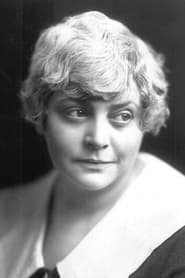
Trixie Friganza
Actor
Born: November 29, 1870 in Grahamstown, South Africa Died: February 27, 1955 Active: 1905-1937 Birth Name: Delia O'Callaghan
Films
4 films
About Trixie Friganza
Trixie Friganza, born Delia O'Callaghan, was a celebrated vaudeville performer and film actress who successfully transitioned from the stage to silent films and early talkies. She began her career in vaudeville in the early 1900s, quickly becoming known for her comedic timing, distinctive personality, and memorable stage presence. Her breakthrough came when she joined the Ziegfeld Follies, where her performances caught the attention of film producers. Friganza made her film debut in the mid-1910s and appeared in numerous silent films throughout the 1920s, often playing comedic supporting roles that showcased her theatrical background. She successfully navigated the transition to sound films in the late 1920s and early 1930s, though her film roles became less frequent as the decade progressed. Her roughly three decades, during which she appeared in over 40 films and countless stage performances. Despite never achieving leading lady status, she became a beloved character actress known for her plump figure, expressive face, and ability to steal scenes with minimal dialogue.
The Craft
On Screen
Friganza was known for her exaggerated comedic style rooted in vaudeville tradition, utilizing physical comedy, facial expressions, and impeccable timing. She often played the wisecracking best friend, meddling relative, or comic relief character, bringing warmth and humor to every role. Her performances were characterized by a larger-than-life presence that translated well from stage to screen, particularly in the silent era where visual comedy was paramount.
Milestones
- Joined the Ziegfeld Follies in the 1910s
- Successfully transitioned from vaudeville to silent films
- Appeared in over 40 films during her career
- Known for memorable roles in early Hollywood comedies
- Maintained successful stage career while appearing in films
Best Known For
Iconic Roles
Must-See Films
Accolades
Special Recognition
- Vaudeville Hall of Fame recognition
- Early Hollywood Pioneer acknowledgment
Working Relationships
Worked Often With
Studios
Why They Matter
Impact on Culture
Trixie Friganza represented the successful transition from vaudeville to cinema that many performers attempted but few achieved with such longevity. She helped establish the template for the comedic supporting actress in early Hollywood, paving the way for future character actresses. Her work exemplified how theatrical performance techniques could be adapted for the film medium, particularly during the challenging transition from silent to sound films. Friganza's active years covered.
Lasting Legacy
Trixie Friganza's legacy lies in her role as a pioneer for character actresses in Hollywood's formative years. While never a star, her consistent work and memorable performances helped establish the importance of supporting roles in film comedy. Her successful navigation of multiple entertainment mediums—vaudeville, silent film, and talkies—demonstrated remarkable adaptability that few of her contemporaries matched. Today, film historians and classic cinema enthusiasts recognize her as an important figure in the development of film comedy and the evolution of character acting in American cinema.
Who They Inspired
Friganza influenced subsequent generations of character actresses through her demonstration that supporting roles could be both artistically fulfilling and commercially viable. Her vaudeville background brought a theatrical energy to film that influenced early film comedy directors. Younger performers studying her work learned how to maximize screen presence even in limited roles, a skill that remains valuable for character actors today.
Off Screen
Trixie Friganza was known for her colorful personality both on and off stage. She never married and devoted her life to her career in entertainment. In her later years, she lived quietly in California, occasionally appearing at vintage film festivals and Hollywood nostalgia events. She was known among her peers for her generosity and willingness to help younger performers navigate the entertainment industry.
Education
Limited formal education; trained in vaudeville performance through apprenticeship and practical experience
Did You Know?
- Born in South Africa to Irish parents, making her one of the few South African-born stars of early Hollywood
- Her stage name 'Trixie' was chosen because it sounded playful and memorable
- She was known for her distinctive plus-size figure, which was unusual for leading performers of her era
- Friganza — talented singer and often incorporated songs into her vaudeville routines
- She was one of the few vaudeville performers who successfully made the transition to both silent and sound films
- Her catchphrase on stage was 'Trixie's got tricks!'
- She was known for her elaborate costumes and wigs in her stage performances
- Friganza — pioneer in self-promotion, often giving interviews to theater newspapers
- She performed with many of the biggest names in vaudeville, including the Marx Brothers
- Despite her success, she remained humble and often helped struggling performers financially
In Their Own Words
Trixie's got tricks, and they're all for you!
In comedy, timing is everything, but personality is the secret ingredient
The stage is my home, but the camera is my friend
Making people laugh is the greatest gift a performer can give
Vaudeville taught me everything I needed to know about life and entertainment
Frequently Asked Questions
Who was Trixie Friganza?
Popular vaudeville performer and film actress active from the early 1900s through the 1930s. Born Delia O'Callaghan, she became known for her comedic roles in both silent films and early talkies, successfully transitioning from stage to screen during Hollywood's formative years.
What films is Trixie Friganza best known for?
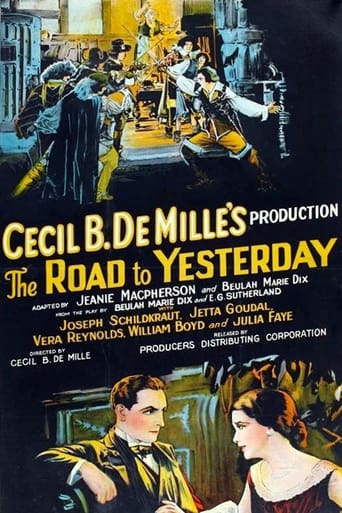
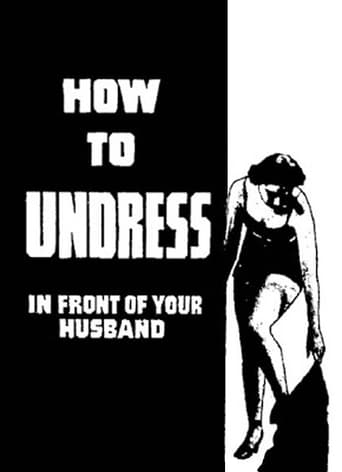
Titles linked here include The Road to Yesterday (1925), How to Undress in Front of Your Husband (1937).
When was Trixie Friganza born and when did she die?
Born November 29, 1870; died February 27, 1955.
What awards did Trixie Friganza win?
While Trixie Friganza did not receive major formal awards during her career era, she was recognized with posthumous honors including induction into the Vaudeville Hall of Fame and acknowledgment as an Early Hollywood Pioneer. Her awards were primarily the consistent employment and audience appreciation she earned throughout her long career.
What was Trixie Friganza's acting style?
Friganza's acting style was rooted in vaudeville tradition, featuring exaggerated physical comedy, expressive facial gestures, and impeccable comedic timing. She specialized in playing colorful supporting characters, using her theatrical training to create memorable performances that translated well from stage to both silent and sound films.