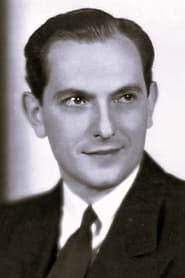
Joseph Schildkraut
Actor
Born: March 22, 1896 in Vienna, Austria-Hungary Died: January 21, 1964 Active: 1915-1962
Films
5 films
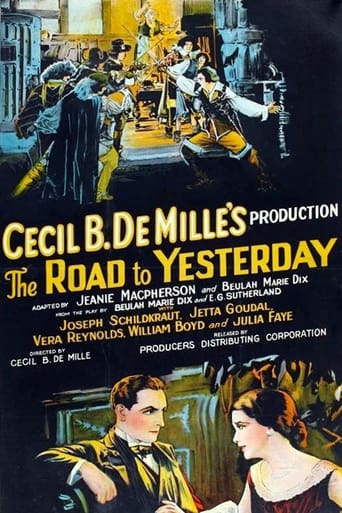
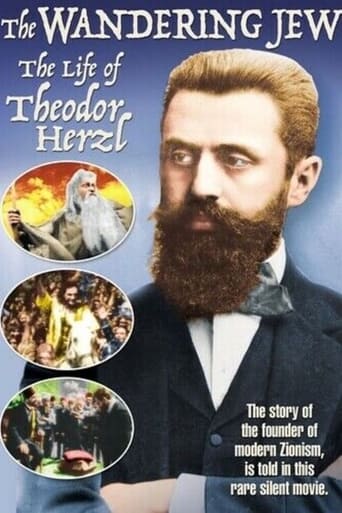
About Joseph Schildkraut
Austrian-American actor: from the silent era through the Golden Age of Hollywood, encompassing both European stage work and American film stardom. Born into a theatrical family in Vienna, he began his career on the Austrian stage alongside his father, renowned actor Rudolf Schildkraut, before transitioning to German cinema in the early 1920s. His breakthrough in American cinema came with his powerful performance in Cecil B. DeMille's epic 'The King of Kings' (1927), where he portrayed Judas Iscariot, establishing him as a serious dramatic actor in Hollywood. Schildkraut successfully navigated the transition from silent films to talkies, demonstrating his versatility across various genres from historical epics to contemporary dramas. His most celebrated performance came in 1937 with 'The Life of Emile Zola,' for which he won the Academy Award for Best Supporting Actor, cementing his reputation as one of Hollywood's finest character actors. Throughout his career, he continued to work in both film and theater, returning to Broadway periodically and maintaining a steady film career through the 1950s. His final major role as Otto Frank in 'The Diary of Anne Frank' (1959) brought him critical acclaim and introduced him to a new generation of filmgoers, serving as a fitting capstone to his career.
The Craft
On Screen
Schildkraut was known for his intense, methodical approach to character acting, bringing theatrical gravitas and emotional depth to his film performances. His style was characterized by precise diction, commanding presence, and the ability to convey complex psychological states through subtle facial expressions and controlled body language. Having trained in the European theatrical tradition, he brought a classical technique to his film work, often portraying intellectuals, historical figures, and characters of moral complexity with remarkable authenticity and dignity.
Milestones
- Stage debut in Vienna (1915)
- German film breakthrough in 'The Other Man' (1916)
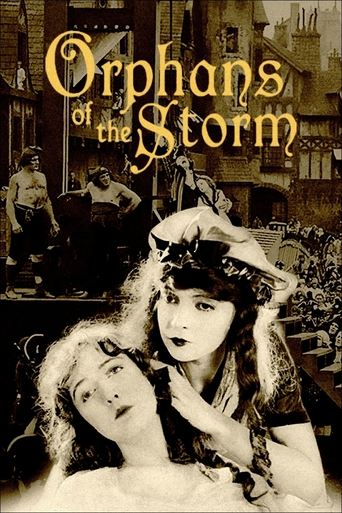
- Hollywood debut in 'Orphans of the Storm' (1921)
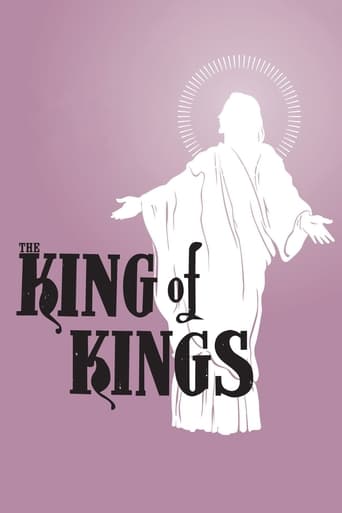
- Iconic role as Judas in 'The King of Kings' (1927)
- Academy Award for 'The Life of Emile Zola' (1937)
- Broadway success in 'The Man Who Came to Dinner' (1939)
- Final acclaimed role as Otto Frank in 'The Diary of Anne Frank' (1959)
Best Known For
Iconic Roles
Must-See Films
Accolades
Won
- Academy Award for Best Supporting Actor (1937) - The Life of Emile Zola
- National Board of Review Award for Best Acting (1937) - The Life of Emile Zola
- Venice Film Festival Volpi Cup for Best Actor (1937) - The Life of Emile Zola
Nominated
- Golden Globe Award for Best Supporting Actor (1959) - The Diary of Anne Frank
- BAFTA Award for Best Foreign Actor (1960) - The Diary of Anne Frank
Special Recognition
- Hollywood Walk of Fame Star (Motion Pictures) - 6656 Hollywood Blvd
- Vienna Walk of Fame Star
- Austrian Cross of Honour for Science and Art (1960)
Working Relationships
Worked Often With
Studios
Why They Matter
Impact on Culture
Joseph Schildkraut played a significant role in bridging European theatrical traditions with American cinema, bringing a level of sophistication and classical training that elevated the standards of film acting in Hollywood. His portrayal of historically significant figures, particularly Captain Alfred Dreyfus, helped bring awareness of European history and social justice issues to American audiences during a critical period in world history. Schildkraut's success as an Austrian-Jewish actor in Hollywood during the 1930s and 1940s challenged prevailing stereotypes and opened doors for other European actors in American cinema. His performance as Otto Frank in 'The Diary of Anne Frank' was particularly impactful, bringing the Holocaust story to mainstream cinema and contributing to post-war education and remembrance efforts.
Lasting Legacy
Joseph Schildkraut's legacy endures through his Academy Award-winning performances and his contributions to both stage and screen acting. He is remembered as. His work helped establish the importance of supporting actors in film narratives, demonstrating that compelling character performances could elevate entire productions. Schildkraut's career shows the value of classical training in film acting and the successful integration of European theatrical techniques into American cinema. His performances continue to be studied by actors and film scholars as examples of sophisticated, emotionally nuanced character work.
Who They Inspired
Schildkraut influenced generations of character actors through his demonstration of how theatrical training could be effectively adapted for the camera. His methodical approach to character development and his ability to convey complex emotions through subtle means became a model for actors transitioning from stage to screen. Many subsequent character actors, particularly those of European background, followed the path he helped forge in Hollywood. His success in playing historical figures with authenticity set a standard for biographical performances that continues to influence actors today. Schildkraut's career also demonstrated the viability of maintaining a long-term career as a character actor rather than pursuing leading man status, influencing how actors approach career planning in the film industry.
Off Screen
Joseph Schildkraut was married three times throughout his life, with his personal relationships often intersecting with his professional career. His first marriage to actress Elise Bartlett ended in divorce, followed by a marriage to actress Fanny Brice's sister, Lynn Fontanne, which also ended in divorce. His third and longest marriage was to Leonora (Lola) Albani, an actress, with whom he remained until his death. Schildkraut was known as a cultured, multilingual individual who maintained strong ties to his European heritage while fully embracing his American citizenship. He was fluent in German, English, French, and Hungarian, which contributed to his international appeal and ability to work in various film industries.
Education
Trained at the Vienna Conservatory and studied acting under his father Rudolf Schildkraut, supplemented by formal dramatic training in Vienna's theatrical schools
Family
- Elise Bartlett (1923-1931)
- Lynn Fontanne (1932-1933)
- Leonora Albani (1937-1964)
Did You Know?
- Was the first Austrian actor to win an Academy Award
- Spoke five languages fluently, which helped him work in multiple film industries
- His father Rudolf Schildkraut was also a famous actor in both Europe and America
- Turned down the role of Captain von Trapp in 'The Sound of Music' due to illness
- Was a naturalized American citizen since 1931
- Appeared in over 80 films during his career
- Was a close friend of Albert Einstein and appeared in a documentary about him
- His performance as Judas in 'The King of Kings' was considered controversial for its sympathetic portrayal
- Was offered teaching positions at several acting schools but preferred to remain active in performance
- Served as a translator for the U.S. Army during World War II due to his language skills
In Their Own Words
Acting is not about being someone different. It's finding the similarity in what is apparently different, then finding myself in there.
The stage is my first love, but film has given me the opportunity to reach more people with stories that matter.
To play a historical figure is not to imitate, but to understand the soul of the person and let that understanding guide your performance.
Every role, whether big or small, deserves the same respect and preparation. The camera sees everything.
My father taught me that the greatest actors are those who disappear into their characters, leaving no trace of their own ego.
Frequently Asked Questions
Who was Joseph Schildkraut?
Austrian-American with credits in this catalog. He was known for his sophisticated character portrayals and classical acting technique, appearing in over 80 films including 'The Life of Emile Zola' and 'The Diary of Anne Frank'.
What films is Joseph Schildkraut best known for?
Titles linked here include The Life of Emile Zola (1937), The King of Kings (1927).
When was Joseph Schildkraut born and when did he die?
Born March 22, 1896; died January 21, 1964.
What awards did Joseph Schildkraut win?
Joseph Schildkraut won the Academy Award for Best Supporting Actor in 1937 for his role in 'The Life of Emile Zola.' He also received the National Board of Review Award for Best Acting and the Venice Film Festival Volpi Cup for Best Actor for the same performance. Additionally, he was nominated for a Golden Globe and BAFTA for 'The Diary of Anne Frank' and received a star on the Hollywood Walk of Fame.
What was Joseph Schildkraut's acting style?
Schildkraut's acting style was characterized by classical European theatrical training combined with emotional depth and psychological complexity. He was known for his precise diction, commanding presence, and ability to convey subtle emotions through controlled expressions. His approach was methodical and intellectual, bringing authenticity to historical and dramatic roles through intensive character study.
How did Joseph Schildkraut influence cinema?
Schildkraut influenced cinema by bridging European theatrical traditions with American film acting, elevating the standards of character acting in Hollywood. His success demonstrated the value of classical training in film and helped establish the importance of supporting roles. His portrayals of historical figures brought cultural and educational value to mainstream cinema, particularly his role as Otto Frank which contributed to Holocaust awareness.
Was Joseph Schildkraut related to other actors?
Yes, Joseph Schildkraut came from a theatrical family. His father, Rudolf Schildkraut, was a renowned European and American actor who significantly influenced Joseph's career. This theatrical heritage provided Joseph with early exposure to acting and helped shape his professional development from a young age.
What languages did Joseph Schildkraut speak?
Joseph Schildkraut was multilingual, speaking German, English, French, and Hungarian fluently. This linguistic ability was a significant asset in his international career, allowing him to work in European film industries before transitioning to Hollywood and to play characters of various nationalities authentically.