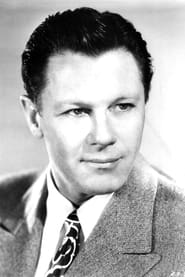
Tom Keene
Actor
Born: December 4, 1896 in Passaic, New Jersey, USA Died: August 4, 1963 Active: 1929-1957 Birth Name: George Duryea
Films
5 films

About Tom Keene
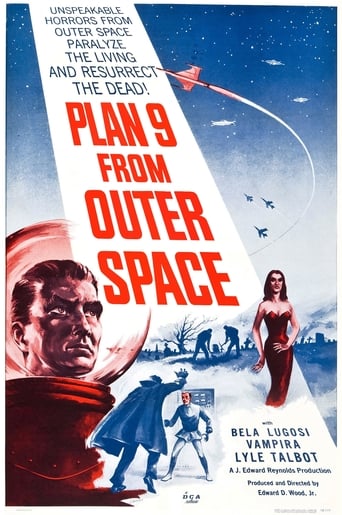
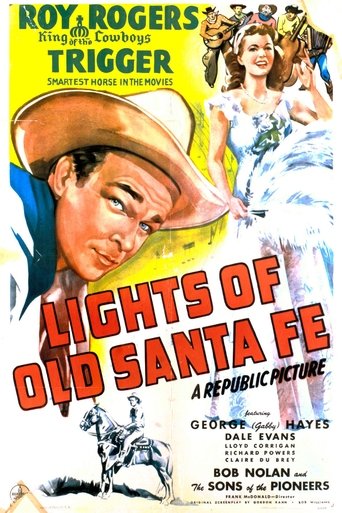
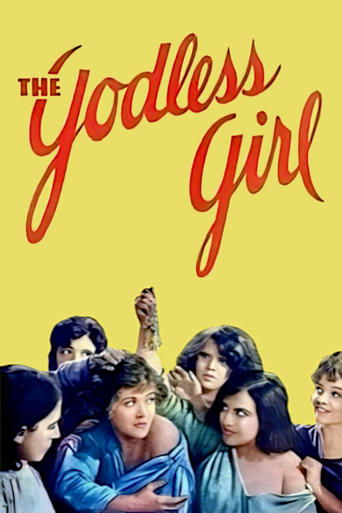
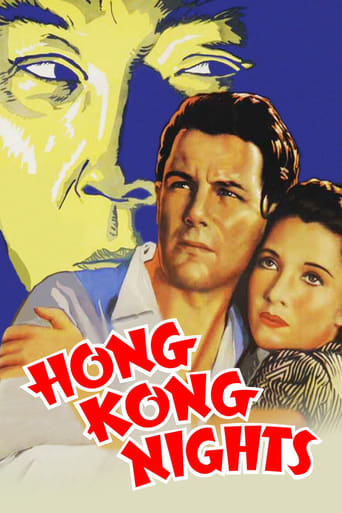
American screen actor: career bridged the late silent era, the early sound period, and the low-budget western and genre productions of the 1940s and 1950s. Born George Duryea, he entered films under his birth name before adopting the name Tom Keene, a more marketable screen identity that suited the heroic leading-man parts he was often cast in. He first gained visibility in the late 1920s as a youthful, athletic presence in pictures such as The Godless Girl (1929), and he continued working steadily through the early talking era in westerns, dramas, and action programmers. During the 1930s he became a familiar face in B-westerns and supporting roles, appearing in films like Beau Bandit (1930) and Hong Kong Nights (1935), where his screen persona emphasized toughness, directness, and dependable lead-man energy. By the 1940s, as his career shifted toward smaller-budget productions, he remained active in westerns and serial-style fare, including Lights of Old Santa Fe (1944), one of the better-known entries in his later filmography. His final screen appearances included cult favorite territory such as Ed Wood’s Plan 9 from Outer Space (1957), which helped keep his name visible long after his prime as a contract-era actor had passed. Keene’s career is representative of many hardworking Hollywood performers of his generation: never a top-tier star, but a durable and recognizable professional who contributed to the texture of American genre cinema across three decades.
The Craft
On Screen
Keene’s acting style was typical of a sturdy early sound-era leading man: physically confident, straightforward, and economical rather than flamboyant. He generally played heroes, adventurers, and rugged good guys with a calm, determined presence, relying on posture, expression, and efficient delivery rather than overt theatrics. In westerns and programmers, his appeal lay in his readability on screen—he looked like a man who could handle action, take moral responsibility, and anchor a fast-moving story. He fit the demands of low- and mid-budget production values, where clarity of characterization and reliability were often more important than star charisma.
Milestones
- Made the transition from silent-era and early sound supporting player to a reliable leading man in low-budget westerns and action films
- Appeared in The Godless Girl (1929), a notable late silent/early sound-era title associated with director Cecil B. DeMille
- Worked steadily through the 1930s in genre pictures that helped define the B-western tradition
- Appeared in Hong Kong Nights (1935), reflecting his movement into adventure and international-exotic melodrama as well as westerns
- Featured in Lights of Old Santa Fe (1944), one of the later westerns that sustained his screen career during the studio era's decline
- Took part in Plan 9 from Outer Space (1957), which later became
Best Known For
Iconic Roles
Must-See Films
Working Relationships
Worked Often With
Studios
Why They Matter
Impact on Culture
Tom Keene’s cultural impact comes less from star dominance than from his role as part of the dependable working fabric of classic Hollywood. He represents the many actors who sustained the western and action genres during the studio era, providing audiences with familiar heroic types that helped standardize the grammar of B-western storytelling. His appearance in Plan 9 from Outer Space also gave him an afterlife in cult-film culture, where viewers and historians often rediscover contract players through later genre oddities and camp landmarks. In that sense, Keene’s career connects mainstream studio-era professionalism with the later appreciation of overlooked or under-remembered performers by classic-cinema enthusiasts.
Lasting Legacy
Keene’s legacy rests on his longevity and versatility within the American studio system, especially in westerns and other popular genres that depended on reliable leading men. Though he never became a marquee star, he is historically valuable as a representative figure of early sound Hollywood’s working actors—performers who moved fluidly between prestige productions, programmers, and later exploitation or cult titles. His filmography illustrates how actors could remain active across changing industrial conditions, from the tail end of silents to postwar low-budget cinema. For modern viewers and researchers, he is also a recognizable face in the wider network of classic Hollywood names who appear in films now valued for historical, cult, or genre significance. His presence in Plan 9 from Outer Space ensures that he remains visible not only in western scholarship but also in discussions of outsider and midnight-movie cinema.
Who They Inspired
Keene influenced the type of modest, dependable screen masculinity that became a staple of B-westerns and serial-style productions. While he was not a major innovator whose style was widely imitated by name, his professional manner helped establish the template for the low-budget leading man: clear, unsentimental, and physically credible. Performers in the western and action genres who followed benefited from the industrial model that actors like Keene helped normalize, where efficiency and genre competence were central virtues. His later participation in cult cinema also contributed indirectly to the ongoing fascination with aging studio players who resurfaced in unusual late-career projects.
Off Screen
Tom Keene was born George Duryea and pursued an acting career during an era when many performers adopted stronger, more memorable stage names. Biographical information on his private life is comparatively limited in standard film histories, which is common for contract-era actors who spent most of their careers in genre films rather than top-billed prestige productions. He is best documented through his film work rather than through extensive publicized domestic details, and reliable sources do not consistently emphasize marriages, children, or elaborate social connections. His public identity remained largely tied to his screen profession, especially his association with westerns and later cult cinema appearances. Detailed information about his family life is not widely circulated in major classic-cinema references.
Education
Educational background is not clearly documented in standard classic-cinema references.
Did You Know?
- Tom Keene was born George Duryea and adopted a stage name for his film career.
- He worked across a long arc of American film history, from the late silent period to 1950s cult cinema.
- He appeared in The Godless Girl, a title associated with Cecil B. DeMille and the transition era between silent and sound films.
- He became especially associated with westerns and rugged adventure pictures rather than prestige dramas.
- His final screen years included Plan 9 from Outer Space, which later became.
- He is one of many classic Hollywood actors whose career was sustained by the B-movie and programmer system.
- Because he often played dependable heroes, he was particularly suited to studio-era genre storytelling.
- His later-career visibility is boosted today by film historians and cult-movie fans rather than by mainstream star recognition.
Frequently Asked Questions
Who was Tom Keene?
American with credits in this catalog. Born George Duryea, he built a long career as a reliable leading man and supporting player from the late 1920s through the 1950s.
What films is Tom Keene best known for?
Titles linked here include The Godless Girl (1929), Beau Bandit (1930).
When was Tom Keene born and when did he die?
Born December 4, 1896; died August 4, 1963.
What awards did Tom Keene win?
There are no widely documented major awards or major industry honors associated with Tom Keene in standard classic-cinema references. His recognition is mainly historical and genre-based rather than award-centered.
What was Tom Keene's acting style?
Tom Keene’s acting style was understated, direct, and physically assured, which made him well suited to westerns and action-oriented films. He projected a dependable heroic presence rather than a highly stylized or theatrical persona.
What is Tom Keene's legacy in film history?
His legacy lies in his long service as one of Hollywood’s many durable genre professionals, especially in B-westerns and low-budget productions. He is also remembered by cult-film audiences for appearing in Plan 9 from Outer Space, which keeps his name alive in film history discussions.