


Plan 9 from Outer Space
"Aliens resurrect the dead to stop humanity from destroying itself."
Keys: Space play/pause · ←/→ 10s · F fullscreen · M mute · </> speed
About this film
In California, an old man grieves the loss of his wife, and dies the day after she is buried. However, the space soldier Eros and his mate Tanna use an electric device to resurrect them both, alongside the strong Inspector Clay, who was murdered by the alien-controlled dead couple. When the populations of Hollywood and Washington DC see flying saucers on the sky, a colonel, a police lieutenant, a commercial pilot, his wife and a policeman try to stop the aliens.
Cast & crew
More films like this
More Science Fiction films
View all →

More from Edward D. Wood Jr.
View all →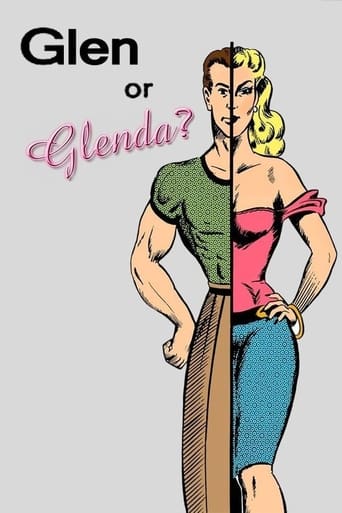
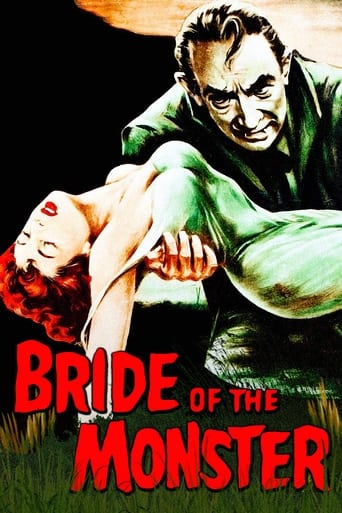
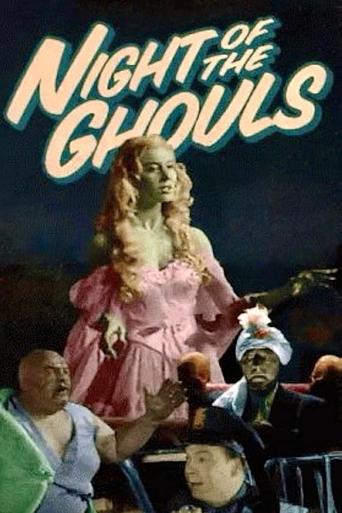
More about this film
About the production
Release dateJuly 22, 1959 (Los Angeles premiere)
Budget$60,000
Box officeUnknown (minimal theatrical release)
ProductionEdward D. Wood Jr. Productions, Image Associates
Filmed inHollywood, California, Culver City, California, Los Angeles, California
Filmed over just 4 days in October 1956, with additional scenes shot later. The production was notoriously underfunded, leading to cardboard tombstones that wobbled, visible wires on flying saucers, and mismatched day/night shots within the same scene. The film was originally titled 'Grave Robbers from Outer Space' but was changed when the Baptist church financiers objected to the word 'grave'. Bela Lugosi's scenes were shot without sound due to budget constraints, and his dialogue was later dubbed by other actors.
Themes
Fear of nuclear annihilationExtraterrestrial invasion paranoiaDeath and resurrectionScientific hubrisCold War anxiety
Themes & topics
alienszombiesflying saucersgraveyardresurrectionspace invasionmilitarypilotpoliceB-moviecult classicso bad it's good
Historical background
Plan 9 from Outer Space (1957) survives in catalogs and archives as a record of mid-century cinema.
Why this film matters
Scholars and collectors reference Plan 9 from Outer Space when discussing how mid-century cinema filmmakers addressed popular themes.
Making of
Edward D. Wood Jr. was notoriously passionate but technically inept, often shooting scenes in single takes regardless of mistakes. The production was plagued by financial issues, with Wood frequently borrowing money from friends and using his own apartment as a filming location. The famous scene with the police car driving past the same house multiple times was due to budget constraints preventing location changes. Wood's friendship with the aging Bela Lugosi inspired him to create the film as a showcase for the horror icon's final performance. The cast was largely comprised of Wood's regular troupe of amateur actors, including his girlfriend Dolores Fuller and friend Tor Johnson. The film's poor quality was exacerbated by Wood's insistence on using stock footage from military films and his inability to properly sync sound with picture.
What critics said
Later retrospectives treat Plan 9 from Outer Space (1957) as representative mid-century cinema fare valued by archivists and genre historians.
Did you know?
- Bela Lugosi died before filming began; Edward D. Wood used previously shot footage of Lugosi and cast his wife's chiropractor, Tom Mason, as a stand-in, covering his face with a cape.
- The film was financed by a Baptist church congregation who wanted to make films promoting Christian values, though they were unaware of the film's content.
- The infamous flying saucers were model car hubcaps suspended by visible fishing wire.
- Criswell's opening narration was completely improvised and bears no relation to the actual plot.
- The film features a 'double exposure' technique where actors appear to walk through walls due to poor editing.
- The cemetery scenes were filmed at a real cemetery, but the tombstones were cardboard props that visibly shake.
- The film was originally titled 'Grave Robbers from Outer Space' but changed due to church financier objections.
- Vampira was paid $200 for her role but refused to speak any lines, communicating only through screams and poses.
- The 'solaranite' bomb mentioned by aliens was completely made up by Wood for the plot.
- The film's premiere was attended by only a handful of people, most of whom were cast and crew members.
Awards & recognition
- Golden Turkey Award for Worst Film Ever Made (1978)
- Mediocre Film Institute's Worst Direction Award (1980)
Visual style
The cinematography, credited to William C. Thompson, is characterized by inconsistent lighting, visible shadows from microphones, and dramatic shifts between day and night within the same scene. The flying saucer effects were achieved through simple models suspended by wires, with the strings often visible on screen. The film uses extensive stock footage, including military aircraft scenes that bear no relation to the main story. Camera work is notably shaky, with many shots featuring poor framing and focus issues. The cemetery scenes feature the infamous wobbling cardboard tombstones, while interior shots often reveal studio equipment and crew reflections. Despite these technical flaws, the film exhibits a certain visual charm through its earnest attempt at creating atmospheric horror.
Innovations
While not technically accomplished, the film pioneered certain low-budget filmmaking techniques that have become standard in independent cinema. Wood's use of stock footage to pad running time influenced later exploitation filmmakers. The film's creative use of household items as props (hubcaps as flying saucers, shower curtains as spaceship interiors) demonstrated resourcefulness under extreme budget constraints. The decision to use a stand-in for Bela Lugosi, while technically crude, was an early example of creative problem-solving in filmmaking. The film's editing techniques, while often jarring, showed an experimental approach to continuity that has been studied in film schools as examples of what to avoid. Its technical failures have ironically made it a valuable teaching tool for film students studying production mistakes.
Music
The film's score consists largely of stock music from other productions, including pieces from 'Carnival of Souls' and various horror films. The most recognizable music is the theremin-heavy theme that plays during the flying saucer sequences, creating an otherworldly atmosphere despite being recycled material. Sound quality is notably poor, with dialogue often mismatched to lip movements and background noise frequently audible. The film features minimal original composition, relying instead on public domain classical pieces and library music. The audio mix is inconsistent, with some scenes having nearly inaudible dialogue while others feature overly loud sound effects. Despite these technical shortcomings, the soundtrack has become iconic in its own right, with the main theme being instantly recognizable to bad movie enthusiasts.
Famous quotes
Inspector Clay: 'Inspector Clay is dead, murdered, and somebody's responsible!'
Eros: 'Your stupid minds! Stupid! Stupid!'
Criswell: 'Greetings, my friends. We are all interested in the future, for that is where you and I are going to spend the rest of our lives.'
Eros: 'You see? Your stupid minds! Stupid, stupid, stupid!'
Jeff Trent: 'You see, you see? Your stupid minds! You have made your choice!'
Paula Trent: 'I've never seen you in these parts before.'
Eros: 'A solaranite bomb is triggered by the heat of the sun.'
Criswell: 'Can you prove it didn't happen?'
Memorable scenes
- The opening scene with Criswell rising from a coffin delivering his cryptic narration about future events
- The flying saucers wobbling on visible strings as they 'fly' across the screen
- Inspector Clay's dramatic death scene where he falls over with exaggerated theatricality
- The scene where Tor Johnson's character struggles to exit his grave due to the small size of the dug hole
- The confrontation in the spaceship where Eros delivers his passionate 'stupid minds' speech
- The police car driving past the same house multiple times in supposed pursuit
- The scene where characters appear to walk through walls due to poor double exposure effects
What audiences thought
Initial audience response was overwhelmingly negative, with many theatergoers demanding refunds. However, over decades, the film developed a massive cult following, with fans celebrating its unintentional humor and technical blunders. Midnight screenings became popular in the 1970s, with audiences shouting back at the screen and participating in interactive viewings similar to 'The Rocky Horror Picture Show.' Modern audiences often watch the film specifically for its bad quality, with many considering it a rite of passage for bad movie enthusiasts. The film's reputation has grown through home video releases and streaming platforms, introducing it to new generations who appreciate it as an unintentional comedy.
Film connections
Influenced by
- The Day the Earth Stood Still (1951)
- Invasion of the Body Snatchers (1956)
- The Thing from Another World (1951)
- Ed Wood's previous films like 'Glen or Glenda' and 'Bride of the Monster'
This film influenced
- The Rocky Horror Picture Show (1975)
- Re-Animator (1985)
- Army of Darkness (1992)
- Sharknado (2013)
- The Room (2003)
Film restoration
The film has been preserved in the Library of Congress's National Film Registry as a culturally significant work (inducted in 2022). Multiple restored versions exist, including colorized editions and versions with added commentary tracks. The original negative is maintained by the UCLA Film and Television Archive. Several home video releases have been remastered from surviving prints, with the most recent 4K restoration completed in 2019 by the Criterion Collection.
Where to watch
- Amazon Prime Video
- YouTube (free with ads)
- Tubi (free streaming)
- The Criterion Channel
- Shudder
- Available for purchase on iTunes/Apple TV
- Blu-ray and DVD releases from The Criterion Collection
- Available on various streaming platforms including Pluto TV and Freevee