Joanna Lee
Actor
Born: April 7, 1931 in Newark, New Jersey, USA Died: August 24, 2003 Active: 1957-1980s Birth Name: Joan Lee Leavitt
Films
1 film
About Joanna Lee
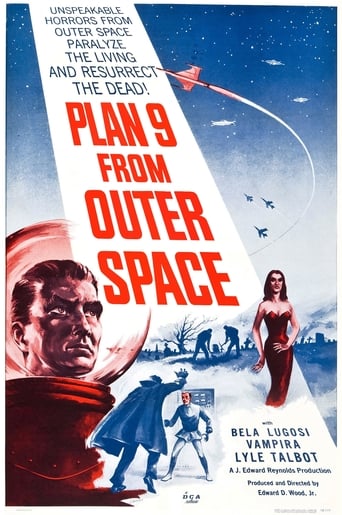
Joanna Lee, born Joan Lee Leavitt, began her entertainment career as an actress in the 1950s, appearing in several films including the infamous Ed Wood cult classic 'Plan 9 from Outer Space' (1957) where she played one of the cemetery mourners. After her brief acting career, she made a remarkable transition to television writing and producing during the 1960s, becoming one of the female voices in Hollywood television production. Lee wrote for numerous popular series including 'Gentle Ben,' 'The Waltons,' and 'Little House on the Prairie,' establishing herself as a talented creator of family-oriented content. Her work on 'The Waltons' earned her critical acclaim and an Emmy Award, recognizing her ability to craft compelling, heartfelt stories that resonated with American audiences. Throughout the 1970s and 1980s, she continued to write and produce for television, eventually becoming one of the few women to hold significant creative authority in the industry during that era. Her career arc from B-movie actress to respected television writer and producer exemplifies the diverse paths available to creative professionals in Hollywood's golden television age.
The Craft
On Screen
As an actress, Lee appeared primarily in minor roles during the 1950s, with her most notable being a brief appearance in Ed Wood's cult classic. Her acting style was typical of the era's supporting players, providing background atmosphere rather than character development.
Milestones
- Acted in 'Plan 9 from Outer Space' (1957)
- Won Emmy Award for writing 'The Waltons'
- Created and produced 'Gentle Ben' episodes
- Wrote for 'Little House on the Prairie'
- Became one of the few female television producers in 1970s Hollywood
Best Known For
Iconic Roles
Must-See Films
Accolades
Won
- Emmy Award for Outstanding Writing in a Drama Series for 'The Waltons'
Nominated
- Multiple Emmy nominations for 'The Waltons' and 'Gentle Ben'
Special Recognition
- Recognized as a female television writer and producer
- Emmy Award winner for television writing
Working Relationships
Worked Often With
Studios
Why They Matter
Impact on Culture
Joanna Lee's cultural impact extends far beyond her brief acting career in cult cinema. As one of the female television writers and producers of the 1970s, she helped break gender barriers in an industry dominated by men. Her work on family-oriented programming like 'The Waltons' and 'Gentle Ben' contributed to the golden age of television drama, creating content that shaped American family values and entertainment preferences. Lee's success demonstrated that women could excel in creative leadership roles within television production, paving the way for future generations of female writers, producers, and showrunners. Her Emmy Award-winning writing helped establish the standard for quality family drama programming that would influence television for decades.
Lasting Legacy
Joanna Lee's legacy is twofold: as an actress who appeared in one of cinema's most famous cult films, and more significantly, as a trailblazing female television writer and producer who helped shape American family entertainment. Her journey from B-movie actress to Emmy Award-winning writer represents the diverse paths to success available in Hollywood. The television shows she worked on continue to be remembered as classics of American family programming, with 'The Waltons' remaining particularly influential in television history. Her success as a woman in television production during the 1970s opened doors for other female writers and producers, making her an important figure in the history of women in entertainment.
Who They Inspired
Lee influenced television writing through her emphasis on heartfelt family stories and character development. Her work on 'The Waltons' helped establish the template for family drama that would be emulated by countless shows that followed. As a successful female writer and producer in a male-dominated industry, she served as an inspiration and role model for other women seeking to enter television production. Her ability to transition from acting to writing demonstrated the versatility required for success in Hollywood and showed that creative talent could find expression in multiple forms within the entertainment industry.
Off Screen
Joanna Lee married Nicholas Hyams, with whom she had two sons. Her family life remained relatively private despite her growing success in Hollywood. She balanced her career as a television writer and producer with raising her family during a time when few women held such positions in the industry. Her son Rob Hyams would also pursue a career in entertainment as an actor.
Education
Attended Columbia University (studied drama)
Family
- Nicholas Hyams (marriage dates not publicly available)
Did You Know?
- Appeared in 'Plan 9 from Outer Space,' often called 'the worst film ever made' but now a cult classic
- Transitioned from acting to become one of the few female television producers in the 1970s
- Won an Emmy Award for her writing work on 'The Waltons'
- Was the mother of actor Rob Hyams
- Studied drama at Columbia University before entering show business
- Wrote for multiple hit family-oriented television shows
- Her real name was Joan Lee Leavitt before adopting Joanna Lee as her professional name
- Worked with Michael Landon on both 'Little House on the Prairie' and earlier projects
- Helped create the template for family drama programming in the 1970s
- Her active years covered from the end of Hollywood's studio system to the rise of television as the dominant entertainment medium
In Their Own Words
I believe the best stories come from the heart, and that's what I try to bring to my writing
Television has the power to bring families together, and that's always been my goal
Being a woman in television production wasn't easy, but it made me stronger and more determined
Frequently Asked Questions
Who was Joanna Lee?
American actress, television writer, and producer who began her career in the 1950s. She is best known for her appearance in 'Plan 9 from Outer Space' (1957) and later became an Emmy Award-winning television writer for shows like 'The Waltons' and 'Gentle Ben.'
What films is Joanna Lee best known for?
Titles linked here include Plan 9 from Outer Space (1957).
When was Joanna Lee born and when did she die?
Born April 7, 1931; died August 24, 2003.
What awards did Joanna Lee win?
Joanna Lee won an Emmy Award for Outstanding Writing in a Drama Series for her work on 'The Waltons.' She also received multiple other Emmy nominations for her writing on 'The Waltons' and 'Gentle Ben.'
What was Joanna Lee's acting style?
As an actress, Joanna Lee appeared primarily in minor supporting roles during the 1950s. Her style was typical of background players of the era, providing atmosphere rather than character development. Her most notable role was a brief appearance as a mourner in 'Plan 9 from Outer Space.'
How did Joanna Lee transition from acting to writing?
After her brief acting career in the 1950s, Joanna Lee successfully transitioned to television writing and producing in the 1960s. She leveraged her industry experience and education from Columbia University to become one of the female writers in Hollywood television, eventually winning an Emmy Award for her work.
What was Joanna Lee's impact on television?
Trailblazer as one of the few female television writers and producers in the 1970s. She helped shape American family entertainment through her work on shows like 'The Waltons' and 'Gentle Ben,' breaking gender barriers and paving the way for future women in television production.