

Beau Bandit
"Mute sidekick Coloso."
Keys: Space play/pause · ←/→ 10s · F fullscreen · M mute · </> speed
About this film
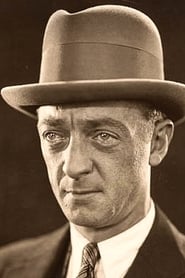
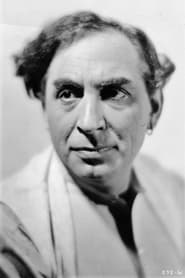
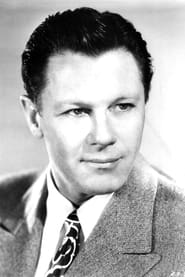
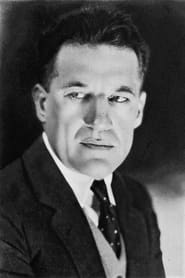
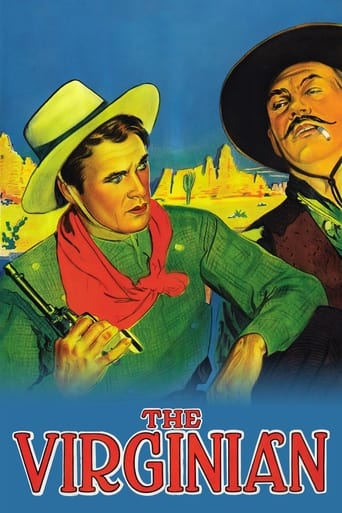
Mexican-bandit Montero and his deaf-mute sidekick Coloso are being pursued through the sand-dunes of southern Arizona by lawman Bob-Cat Manners and his posse. Montero has intentions of robbing the bank owned by skinflint Lucius Perkins, but is sidetracked by the attractions of singing-teacher Helen Wardell. He learns that Perkins has marital designs on Helen and holds the mortgage on her ranch.
Cast & crew
More films like this
More Action films
View all →

More from Lambert Hillyer
View all →

More about this film
About the production
Release dateMarch 2, 1930
BudgetApproximately $150,000 (Estimated for RKO 'B' Westerns of the era)
ProductionRKO Radio Pictures
Filmed inYuma, Arizona, USA (Sand dunes), RKO-Pathé Studios, Culver City, California, USA
The film was originally titled 'Strictly Business' during production, matching the title of the Wallace Smith short story it was based on. RKO changed the title to 'Beau Bandit' in January 1930 to capitalize on the popularity of 'Beau Geste' style adventure titles. Director Lambert Hillyer, a veteran of silent Westerns, was specifically chosen to help transition the genre into the sound era. The production faced significant challenges filming in the actual sand dunes of Southern Arizona, where the fine dust frequently jammed the early, bulky sound-recording equipment and cameras housed in 'icebox' booths.
Themes
LoveWar
Themes & topics
mexicanbanditmonterodeafmutesidekickcolosobeing
Historical background
Production circa 1930 meant fixed cameras, intertitles or early sound rigs, and studio economies that shaped every scene in Beau Bandit.
Why this film matters
Historians treat Beau Bandit as evidence of what typical 1930 audiences could see in a program slot.
Making of
Production details for Beau Bandit are sparse in surviving records. Direction is attributed to Lambert Hillyer.
What critics said
Modern retrospectives screen Beau Bandit to illustrate 1930 pacing and camera norms.
Did you know?
- Directed by Lambert Hillyer.
- Production country: United States.
- Release year commonly listed as 1930.
- TMDB identifier: 531989.
Visual style
Cinematographer Jack MacKenzie utilized the natural light of the Arizona desert to create stark, high-contrast visuals. The film is notable for its expansive wide shots of the sand dunes, which were intended to give the film a 'prestige' feel despite its standard Western plot. MacKenzie had to work around the bulky sound equipment, which limited the camera's mobility, resulting in a more static but carefully composed visual style.
Innovations
The film's primary technical achievement was the successful integration of location sound recording in a harsh desert environment. It also experimented with using silence as a narrative device through the character of Coloso, showing an early understanding of how sound (or the lack thereof) could be used to define character dynamics in the new medium.
Music
The film features a minimal score, typical of early sound films which often only had music during the opening and closing credits. However, it includes diegetic music, specifically singing by Doris Kenyon's character, Helen Wardell, who is a singing teacher. These musical interludes were a key selling point, as audiences were still fascinated by the novelty of hearing actors sing on screen.
Famous quotes
Montero: 'Amusement, I tell you, is very important in this not always entertaining world.' (Context: Montero explaining his motives to Coloso)
Montero: 'A man's conscience bothers him only when he violates the respect of others; a woman's when she is false to what is in her own heart.'
Perkins: 'I want him dead! Do you understand? Dead!' (Context: Perkins ordering the hit on his rival)
Montero: 'Do not be dramatic, my friend. Business is business, but a lady in love... that is something else.'
Memorable scenes
- The opening pursuit through the shifting sand dunes of Arizona, which established the film's visual scale.
- The scene where Montero fakes Bill Howard's murder to trick Perkins, showcasing the bandit's wit over his gunplay.
- The final wedding ceremony where the bandit forces the villainous banker to marry the young lovers at gunpoint.
- The quiet, non-verbal interactions between Montero and Coloso, which provided a unique emotional core for a 1930 Western.
What audiences thought
Patrons who saw Beau Bandit during initial runs judged it alongside other feature releases of the day.
Film connections
Influenced by
- The Legend of Robin Hood
- The Mark of Zorro (1920)
- The Cisco Kid (character)
This film influenced
- The Gay Desperado (1936)
- The Cisco Kid film series
- The Treasure of the Sierra Madre (thematic elements of the bandit archetype)
Film restoration
The film is preserved and exists in the RKO/Turner collection. It has been aired on Turner Classic Movies (TCM) and is available in various archival formats. It entered the public domain in the United States on January 1, 2026.
Where to watch
- Turner Classic Movies (TCM) - Occasional broadcasts
- Public Domain archives
- YouTube (Various classic film channels)
- Internet Archive