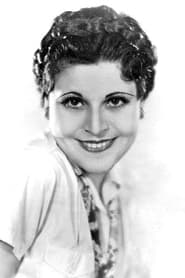
Lina Basquette
Actor
Born: April 19, 1907 in San Mateo, California, USA Died: October 30, 1994 Active: 1916-1932 (film career), 1916-1994 (performing career) Birth Name: Lena Copeland Baskette
Films
4 films
About Lina Basquette
Remarkable actress who began her career as a child performer in the silent era, making her film debut at just 8 years old in D.W. Griffith's 'Intolerance' (1916). Born Lena Copeland Baskette, she quickly rose to prominence as a promising young talent at Universal Studios, where she was groomed as a potential star. Her career reached its zenith in the late 1920s with starring roles in Cecil B. DeMille's 'The Godless Girl' (1929) and other notable productions. Basquette successfully transitioned from silent films to talkies, though her career began to wane in the early 1930s as studio politics and personal challenges affected her trajectory. Beyond acting, she became a professional dancer and later operated a dance studio, showcasing her versatility as a performer. Her life story included multiple marriages, including a notable union with Sam Warner of Warner Bros., making her part of Hollywood royalty. After her film career diminished, she continued performing in various capacities and remained connected to the entertainment industry until her death in 1994.
The Craft
On Screen
Basquette was known for her expressive and emotional performances typical of the silent era, with a particular talent for conveying complex emotions through facial expressions and body language. She possessed a natural screen presence that appealed to audiences of both silent and early sound films. Her acting style evolved from the exaggerated expressions required in silent films to a more naturalistic approach in talkies, demonstrating her adaptability as a performer.
Milestones
- Child debut in D.W. Griffith's 'Intolerance' (1916)
- Contract player at Universal Studios in the 1920s
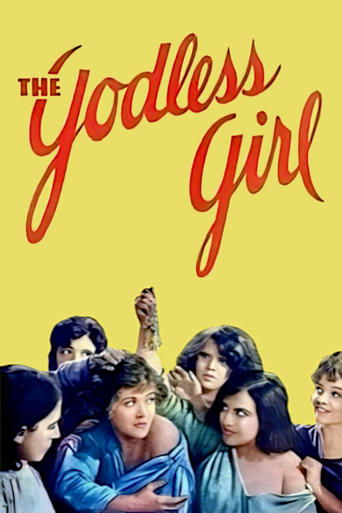
- Starred in Cecil B. DeMille's 'The Godless Girl' (1929)
- Successfully transitioned from silent films to talkies
- Marriage to Sam Warner of Warner Bros. (1925-1928)
- Professional dancing career post-Hollywood
- Owned and operated dance studios in later life
Best Known For
Iconic Roles
Must-See Films
Accolades
Special Recognition
- Star on the Hollywood Walk of Fame (for contributions to motion pictures)
Working Relationships
Worked Often With
Studios
Why They Matter
Impact on Culture
Lina Basquette represents the transitional period between silent cinema and the sound era, embodying both the glamour and the challenges faced by actresses of her time. Her role in 'The Godless Girl' stands as a significant example of late silent cinema's social commentary films, addressing themes of religious intolerance and youthful rebellion. As a child star who successfully transitioned to adult roles, she paved the way for future generations of young performers. Her marriage to Sam Warner connected her to one of Hollywood's most influential families, giving her unique insight into the business side of filmmaking during the industry's most transformative decade. Basquette's career trajectory—from major studio contract player to independent performer—reflects the broader changes in Hollywood's star system and the increasing difficulty many silent-era actors faced in adapting to the new demands of sound cinema.
Lasting Legacy
Lina Basquette's legacy endures through her contributions to both silent and early sound cinema, particularly her work in socially conscious films like 'The Godless Girl.' Her autobiography, 'Lina: A Woman's Journey,' published in 1991, provides invaluable firsthand accounts of Hollywood's golden age and the challenges faced by women in the industry. As one of the few child stars from the silent era who lived to see the modern era, she served as a living link to cinema's earliest days. Her perseverance through career setbacks and personal tragedies exemplifies the resilience required to survive in Hollywood. The preservation of her films continues to provide insight into the techniques and storytelling methods of late silent cinema, making her work valuable to film historians and scholars studying this crucial transitional period in movie history.
Who They Inspired
Basquette influenced later generations of performers through her example of adapting to changing industry demands and reinventing herself when her film career declined. Her successful transition to dance and teaching demonstrated the importance of developing multiple skills in the entertainment industry. Her candid discussions about the challenges faced by women in early Hollywood, particularly in her autobiography, helped raise awareness about gender issues in the film industry. The way she maintained her connection to entertainment through various mediums—film, dance, television appearances—showed future performers the value of versatility and adaptability in a changing entertainment landscape.
Off Screen
Lina Basquette's personal life was as dramatic as any film she starred in, marked by multiple marriages and both triumph and tragedy. She was married eight times, including her famous union with Sam Warner, one of the Warner brothers, which ended with his death just before the premiere of 'The Jazz Singer.' Her marriages included relationships with actors, producers, and even a Soviet spy, reflecting her tumultuous romantic life. She had two children, including actress Lita Grey Chaplin Jr. From her marriage to actor Pat DiCicco. Later in life, she found stability with her eighth husband, Warner Gilmore, with whom she remained until his death. Basquette also faced financial difficulties at various points but persevered through her determination and talent.
Education
Educated at Hollywood High School and received training in dance and acting through studio programs
Family
- Al Kaufman (1923-1925)
- Sam Warner (1925-1928, his death)
- Ray Hallam (1928-1929)
- Henry M. Herbel (1930-1932)
- John W. Cramer (1932-1933)
- Pat DiCicco (1937-1938)
- Alexander Smirnov (1941-1945)
- Warner Gilmore (1949-1975, his death)
Did You Know?
- Her birth name was Lena Copeland Baskette, but she changed the spelling to 'Lina Basquette' for her stage name
- She was discovered by D.W. Griffith while dancing at a party and cast in 'Intolerance' (1916)
- Her marriage to Sam Warner lasted only three years due to his sudden death from a brain infection
- She was pregnant with Sam Warner's child when he died, but tragically miscarried
- She appeared in over 50 films during her career, though many are now lost
- Her fourth husband, Henry Herbel, was a film critic who later became a screenwriter
- She was a professional dancer and performed with the Ballet Russe de Monte Carlo
- In her later years, she appeared in several television shows including 'The Love Boat' and 'Fantasy Island'
- She was a cousin of actress Myrna Loy through her mother's side of the family
- Her daughter Lita Grey Chaplin Jr. Was named after Charlie Chaplin's second wife, Lita Grey
In Their Own Words
In Hollywood, you're only as good as your last picture. I learned that lesson early and often.
The transition from silent to sound wasn't just about talking—it was about completely relearning how to act for the camera.
Being married to Sam Warner gave me a front-row seat to the birth of the sound era. It was exciting and terrifying all at once.
I may not have become the biggest star, but I survived. In Hollywood, survival is the real victory.
Frequently Asked Questions
Who was Lina Basquette?
American actress and dancer who began her career as a child performer in silent films during the 1910s. She achieved notable success in the late 1920s with starring roles in films like 'The Godless Girl' and successfully transitioned to talkies before her film career declined in the early 1930s.
What films is Lina Basquette best known for?
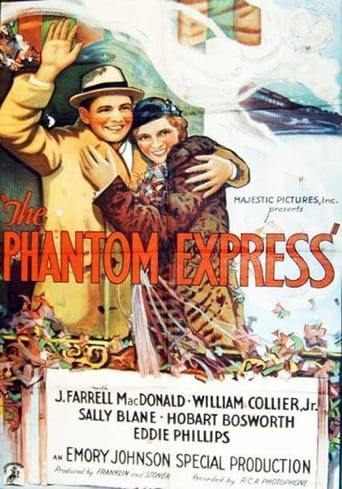
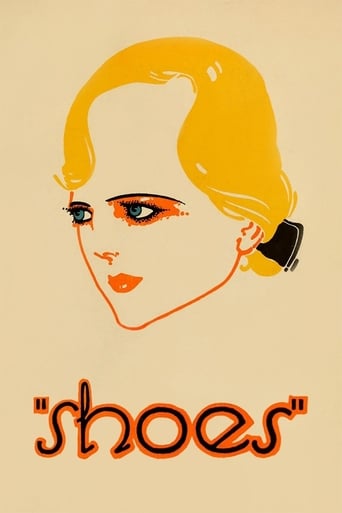
Titles linked here include The Godless Girl (1929), Shoes (1916).
When was Lina Basquette born and when did she die?
Born April 19, 1907; died October 30, 1994.
What awards did Lina Basquette win?
While Lina Basquette did not receive major acting awards during her career, she was honored with a star on the Hollywood Walk of Fame for her contributions to motion pictures. Her legacy is primarily preserved through her influential films and her autobiography documenting Hollywood's golden age.
What was Lina Basquette's acting style?
Basquette's acting style evolved from the expressive, exaggerated techniques common in silent films to a more naturalistic approach in talkies. She was particularly skilled at conveying complex emotions through facial expressions and body language, making her effective in dramatic roles that required emotional depth.
Was Lina Basquette married to anyone famous?
Yes, Lina Basquette was married to Sam Warner, one of the Warner brothers and a key figure in the development of sound cinema. Their marriage lasted from 1925 until Warner's death in 1928, just before the premiere of 'The Jazz Singer,' the film that revolutionized the industry.