Films
2 films
About Viola Louie
American actress who appeared briefly during the transition from silent films to early talkies in Hollywood. Her career was notably concentrated in the year 1929, a pivotal time when the film industry was rapidly adapting to sound technology. Viola appears in Cecil B. DeMille's controversial drama 'The Godless Girl,' one of the director's final silent productions that incorporated synchronized sound sequences. Her second known film credit was 'Mister Antonio' in the same year, though details about this production remain scarce. Like many actors during this transitional period, Louie's career appears to have been brief, possibly due to the industry's upheaval as sound revolutionized filmmaking and acting requirements. The limited documentation of her work suggests she may have been a supporting player or bit actress whose career did not extend beyond this pivotal year in cinema history.
The Craft
Milestones
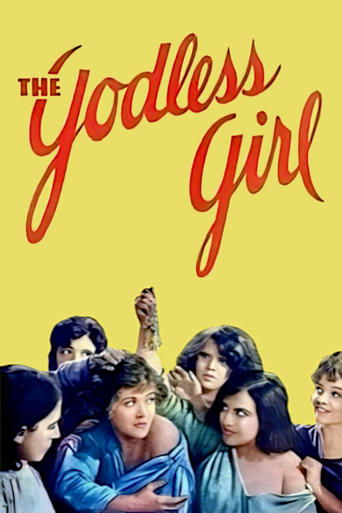
- Appeared in Cecil B. DeMille's 'The Godless Girl' (1929)
- Worked during the silent-to-sound transition period
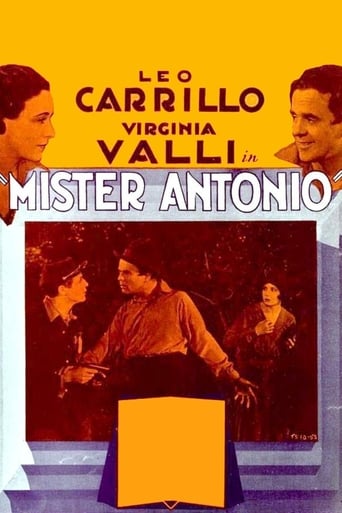
- Appeared in 'Mister Antonio' (1929)
Best Known For
Must-See Films
Working Relationships
Worked Often With
Why They Matter
Impact on Culture
Viola Louie represents the countless actors who populated Hollywood during the silent era but whose careers were brief and largely undocumented. Her participation in 'The Godless Girl,' a significant Cecil B. DeMille production dealing with controversial themes of atheism versus Christianity, places her within an important transitional film in cinema history. The film was notable for being one of DeMille's last silent features and for its exploration of social issues, making Louie a small part of a significant moment in Hollywood's evolution toward more sophisticated storytelling.
Lasting Legacy
Viola Louie's legacy is primarily that of a representative figure from the thousands of actors who appeared briefly during Hollywood's silent era and early sound period. Her filmography serves as a reminder of the vast number of performers who contributed to early cinema but whose names and careers have been largely lost to time. Her appearance in a Cecil B. DeMille production, however brief, ensures her place in film history as part of one of the legendary director's works.
Who They Inspired
Given the limited documentation of Viola Louie's career and the brief duration of her film work, there is no evidence of her having influenced other performers or directors. Like many supporting actors of her era, her contribution was primarily in the moment of performance rather than in lasting influence on the art form or subsequent generations of filmmakers.
Off Screen
Very little is documented about Viola Louie's personal life, which is common for many supporting actors from the silent era who did not achieve lasting fame. Her brief film career suggests she may have been among the many actors whose careers were disrupted by the transition to sound films in the late 1920s.
Did You Know?
- Appeared in films only during the year 1929, a pivotal transition period between silent and sound cinema
- Worked with legendary director Cecil B. DeMille in 'The Godless Girl'
- Her film active years covered exactly one year according to available records
- Both of her known films were released in 1929, during the early sound era
- 'The Godless Girl' was one of DeMille's final silent films with synchronized sound sequences
- Like many actors of her era, she may have been unable to successfully transition to sound films
- Her second film 'Mister Antonio' is considered obscure with limited documentation available
Frequently Asked Questions
Who was Viola Louie?
American actress who appeared briefly in Hollywood during 1929, working in both silent and early sound films. She is primarily known for her role in Cecil B. DeMille's 'The Godless Girl' and had a very brief career spanning only one year.
What films is Viola Louie best known for?
Titles linked here include The Godless Girl (1929), Mister Antonio (1929).
When was Viola Louie born and when did she die?
Unfortunately, specific birth and death dates for Viola Louie are not documented in available historical records, which is common for many supporting actors from the silent era who did not achieve lasting fame.
What awards did Viola Louie win?
There are no records of Viola Louie receiving any major awards or nominations, which is typical for actors with very brief careers in supporting roles during the silent era.
What was Viola Louie's acting style?
Due to the limited documentation of her career and the fact that most of her work was in silent films, there is insufficient information to describe Viola Louie's specific acting style or techniques.
Why was Viola Louie's career so brief?
Viola Louie's career was likely affected by the massive industry transition from silent films to sound in 1929. Many actors during this period struggled to adapt to the new requirements of sound cinema, and her career may have been one of many that did not survive this technological revolution.