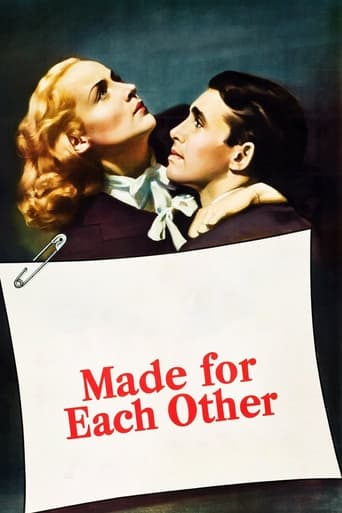
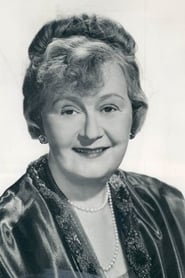
Lucile Watson
Actor
Born: May 27, 1879 in Quebec, Canada Died: June 24, 1962 Active: 1902-1960
Films
1 film
About Lucile Watson
Canadian-American actress: over five decades, beginning on the Broadway stage in 1902 before transitioning to Hollywood films in the 1930s. Born in Quebec, she received her early theatrical training in England and returned to North America to establish herself as a formidable stage performer. Watson made her film debut relatively late in her career but quickly became typecast as elegant, sophisticated women of authority, often playing mothers, aunts, or society matrons. Her breakthrough film role came in 'The Women' (1939), but her most acclaimed performance was in 'Watch on the Rhine' (1943), which earned her an Academy Award nomination for Best Supporting Actress. Throughout the 1940s, she appeared in numerous prestigious productions including 'Mrs. Parkington' (1944) opposite Greer Garson and 'The Razor's Edge' (1946) with Tyrone Power. Watson continued working in both film and television through the 1950s, maintaining her reputation as one of Hollywood's most reliable character actresses. Her final film appearance was in 'The Story of Ruth' (1960), closing a career that encompassed over 50 films and countless stage productions.
The Craft
On Screen
Watson was known for her dignified, refined acting style characterized by impeccable diction, regal bearing, and subtle emotional depth. She specialized in portraying sophisticated, intelligent women of authority with a natural warmth that made her maternal roles particularly convincing. Her theatrical background gave her exceptional command of her voice and physical presence, allowing her to dominate scenes without resorting to melodramatic gestures. Watson's performances were marked by their restraint and authenticity, bringing credibility to even the most aristocratic characters.
Milestones
- Broadway debut in 1902
- Academy Award nomination for Watch on the Rhine (1943)
- Memorable role in The Women (1939)
- Leading role in Mrs. Parkington (1944)
- Stage career spanning over 40 years
- Transition from theater to film success
- Television work in the 1950s
Best Known For
Iconic Roles
Must-See Films
Accolades
Won
- Academy Award nomination for Best Supporting Actress for Watch on the Rhine (1943)
Nominated
- Academy Award nomination for Best Supporting Actress (1944 ceremony)
Special Recognition
- Hollywood Walk of Fame star at 6420 Hollywood Boulevard
Working Relationships
Worked Often With
Studios
Why They Matter
Impact on Culture
Lucile Watson significantly influenced Hollywood's portrayal of mature women, helping to establish the archetype of the wise, dignified matriarch in Golden Age cinema. Her performances challenged the limited roles available to older actresses, bringing depth and complexity to characters that might have been one-dimensional in lesser hands. Watson's success demonstrated that actresses could maintain relevance and critical acclaim well into their later years, paving the way for future character actresses. Her work in socially conscious films like 'Watch on the Rhine' also contributed to Hollywood's engagement with political themes during World War II.
Lasting Legacy
Lucile Watson's legacy endures through her memorable performances in classic Hollywood films that continue to be studied and appreciated by film scholars and enthusiasts. She represents the transition from stage to screen acting that defined many careers of her generation, successfully adapting theatrical techniques to the new medium of film. Watson's body of work serves as a masterclass in character acting, particularly in portraying women of intelligence and authority. Her Academy Award nomination helped validate the importance of supporting roles in cinema, and her career longevity demonstrated the value of mature talent in an industry often obsessed with youth.
Who They Inspired
Watson influenced subsequent generations of character actresses through her dignified approach to supporting roles and her ability to command attention without dominating scenes. Her technique of conveying complex emotions through subtle gestures and vocal modulation became a model for actors transitioning from stage to film. Younger actresses particularly admired her ability to age gracefully on screen while maintaining her artistic integrity. Watson's success in both comedy and drama showed the versatility available to character actresses, inspiring performers like Agnes Moorehead and Gladys Cooper.
Off Screen
Lucile Watson maintained a relatively private personal life despite her public prominence. She married playwright and theater director Robert Milton in 1925, and their marriage lasted until their divorce in 1936. The couple had no children. Watson was known for her intellectual pursuits and was an avid reader throughout her life. She divided her time between her homes in New York and California, maintaining strong ties to the theatrical community even after achieving film success. Watson never remarried after her divorce and dedicated herself fully to her craft until her death from a heart attack at age 83.
Education
Trained at the Royal Academy of Dramatic Art in London, England; studied under renowned acting coaches in both England and the United States
Family
- Robert Milton (1925-1936)
Did You Know?
- Began her stage career at age 16 in stock theater
- Was discovered by director Cecil B. DeMille
- Spoke fluent French due to her Canadian upbringing
- Turned down numerous film roles early in her career to focus on theater
- Was a close friend of actress Helen Hayes
- Maintained her Canadian citizenship throughout her life
- Was known for her extensive collection of rare books
- Often played characters older than her actual age
- Was a founding member of the Actors' Equity Association
- Her final performance was in the biblical epic The Story of Ruth
In Their Own Words
I never considered myself a movie star. I was an actress who happened to work in movies.
The stage teaches you discipline that film cannot. You must be perfect every night.
Playing mothers is the most challenging work - you must convey a lifetime of love in a single glance.
Age is an asset in our profession if you know how to use it.
Frequently Asked Questions
Who was Lucile Watson?
Canadian-American actress known for her career in both theater and film during the first half of the 20th century. She specialized in playing sophisticated, maternal roles and received an Academy Award nomination for her performance in 'Watch on the Rhine' (1943).
What films is Lucile Watson best known for?
Titles linked here include Watch on the Rhine (1943), The Women (1939).
When was Lucile Watson born and when did she die?
Born May 27, 1879; died June 24, 1962.
What awards did Lucile Watson win?
Lucile Watson received an Academy Award nomination for Best Supporting Actress for her role in 'Watch on the Rhine' (1943). She also has a star on the Hollywood Walk of Fame at 6420 Hollywood Boulevard in recognition of her contributions to film.
What was Lucile Watson's acting style?
Watson's acting style was characterized by dignity, refinement, and subtlety. Drawing from her extensive theatrical background, she used impeccable diction and controlled physical presence to portray sophisticated women of authority, bringing depth and authenticity to maternal and aristocratic roles.
Did Lucile Watson start in theater or film?
Lucile Watson began her career in theater, making her Broadway debut in 1902. She worked extensively on stage for over 30 years before transitioning to film in the 1930s, bringing her theatrical expertise to her screen performances.
Was Lucile Watson married?
Yes, Lucile Watson was married to playwright and theater director Robert Milton from 1925 until their divorce in 1936. They had no children, and Watson never remarried.