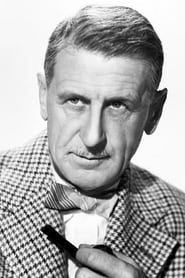
John Cromwell
Director
Born: December 23, 1886 in Toledo, Ohio, USA Died: September 26, 1979 Active: 1929-1979 Birth Name: Elwood Dager Cromwell
Films
5 films
About John Cromwell
American stage and film director: career helped shape the transition from silent pictures to the sophisticated early sound era. Born Elwood Dager Cromwell in Toledo, Ohio, he first worked in theater and became deeply involved in stage directing and acting before moving into films, where his background in dramatic storytelling gave his movies a distinctly literate, performance-centered quality. During the late 1920s and 1930s, he established himself at Paramount and other major studios as a director of polished, emotionally intelligent dramas, often adapting material from the stage or literature. He is especially remembered for guiding major stars such as Paul Muni, Irene Dunne, Ann Harding, Claudette Colbert, and Charles Boyer in prestigious productions that emphasized character nuance over spectacle. Cromwell later expanded his career into acting and occasional television work, but his reputation rests primarily on his directing of prestige films from the classic Hollywood era. His work on films such as Of Human Bondage, Made for Each Other, and Algiers demonstrates his skill with intimate melodrama, romantic intensity, and atmospheric storytelling. He remained active in the entertainment industry for decades and is the dependable craftspeople of early American sound cinema.
The Craft
Behind the Camera
Cromwell's directing style was restrained, polished, and actor-centered, reflecting his roots in theater and his strong command of dramatic pacing. He was particularly effective at drawing emotionally detailed performances from stars, favoring subtle interpersonal conflict, elegant staging, and a clear narrative line over flamboyant visual display. His films often carry a sense of classically balanced composition and intelligent adaptation, with an emphasis on mood, romantic tension, and psychological realism. He was well suited to literary properties and prestige dramas because he understood how to translate stage structure into expressive screen storytelling without losing intimacy.
Milestones
- Became a significant early sound-era director after moving from theater into Hollywood filmmaking
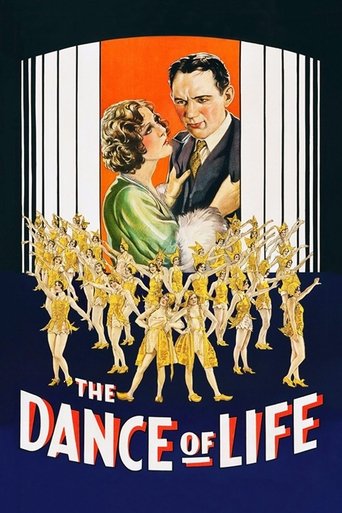
- Directed The Dance of Life (1929), one of his early notable studio assignments in the transition to talking pictures
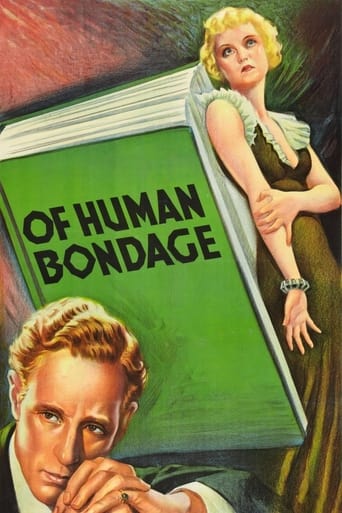
- Helmed Of Human Bondage (1934), a major literary adaptation widely regarded as one of the strongest screen versions of W. Somerset Maugham's work
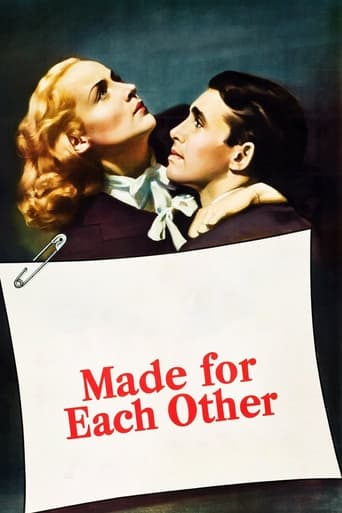
- Directed Made for Each Other (1938), an emotional domestic drama remembered as a high point for James Stewart and Carole Lombard
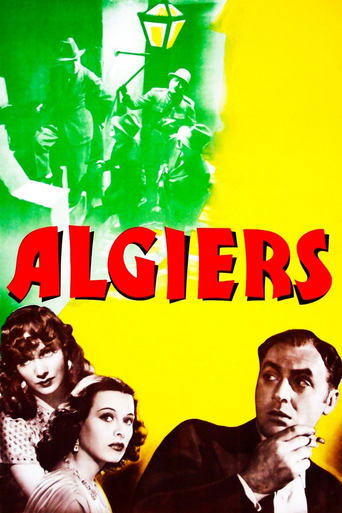
- Directed Algiers (1938), a stylish remake that became one of the key romantic adventure films of the late 1930s
- Worked with some of the era's most admired stars and helped define the tone of prestige drama at major studios
- Extended his career into acting in later years, giving him a rare dual identity in classic Hollywood as both director and performer
Best Known For
Must-See Films
Accolades
Won
- Academy Honorary Award for his directing career (1948)
Nominated
- No widely documented competitive Academy Award nominations for John Cromwell as a director
Special Recognition
- Academy Honorary Award (1948)
Working Relationships
Worked Often With
Studios
Why They Matter
Impact on Culture
John Cromwell was one of the important craftsmen of early sound Hollywood, especially in the period when studios were learning how to translate stage material into cinematic terms. His films helped establish the prestige drama as a commercially viable and artistically respected form, balancing emotional sophistication with star power. By directing literary adaptations and intimate romances with care and restraint, he contributed to the house style of major studios that wanted films to seem refined, adult, and emotionally credible. His work with leading actors helped shape screen performances in the 1930s, and his films remain important documents of how Hollywood evolved beyond the static staging sometimes associated with early talkies. He is also culturally significant as an example of a theater-trained filmmaker whose sensibility bridged Broadway and Hollywood.
Lasting Legacy
Cromwell's legacy lies in his dependable mastery of classic Hollywood drama rather than in a single signature masterpiece. He is remembered as a director who could take material of literary or theatrical origin and transform it into lucid, emotionally engaging cinema without sacrificing performance quality. Of Human Bondage, Made for Each Other, and Algiers continue to be studied and screened as examples of accomplished studio-era filmmaking that combine emotional intensity with craft discipline. His Honorary Academy Award recognized the breadth of that contribution, and his body of work remains a valuable part of the canon of 1930s American cinema. In film history, he stands as a representative of the skilled studio director whose artistry was subtle but essential to the golden age of Hollywood.
Who They Inspired
Cromwell influenced later directors who valued performance-driven storytelling, clean dramatic construction, and the adaptation of stage or literary material for the screen. His approach showed how a director could preserve emotional complexity while working within the studio system's demands for efficiency and accessibility. Directors interested in elegant melodrama, actor-centered direction, and adult romantic drama can be seen as inheriting elements of the tradition he helped refine. His films also demonstrate a model of classical restraint that influenced the tone of prestige pictures well beyond the 1930s.
Off Screen
John Cromwell came from an artistic and theatrical background and built his career first on the stage before moving into Hollywood. He was married multiple times, and his personal life included relationships with figures connected to the entertainment world. Later in life he also became known as an actor, which reflected his long and varied involvement with the performing arts. Specific family details are less consistently documented in standard film histories than his professional achievements, but he is remembered as part of the circle of stage-trained talents who enriched early sound cinema.
Education
Primarily trained through practical theatrical work rather than a formally documented film-school or university background; he was shaped by stage experience, repertory theater, and professional theater directing.
Family
- Ethel Cromwell (dates not consistently documented)
- Ruth Nelson (married; dates not consistently documented)
- Marie Sabin (married; dates not consistently documented)
Did You Know?
- He was born Elwood Dager Cromwell, but is universally known in film history as John Cromwell.
- Before becoming a film director, he was strongly rooted in theater, which explains the stage-like precision of many of his films.
- He directed one of the best-remembered screen versions of Of Human Bondage, starring Bette Davis and Leslie Howard.
- Made for Each Other paired James Stewart and Carole Lombard in.
- Algiers helped cement Charles Boyer's international stardom and became famous for its atmospheric lines and exotic setting.
- He received an Academy Honorary Award rather than a competitive Oscar, reflecting recognition for overall contribution rather than a single film.
- Later in life, he also worked as an actor, demonstrating unusual range for a director of his generation.
- His career spans both silent-era holdovers and the fully developed sound period, making him a useful figure for studying Hollywood's transition years.
In Their Own Words
No reliably sourced, widely quoted personal statements by John Cromwell are consistently documented in standard classic-cinema references.
Frequently Asked Questions
Who was John Cromwell?
American stage and on YTB.my. He helped shape prestige Hollywood filmmaking in the 1930s and later also worked as an actor.
What films is John Cromwell best known for?
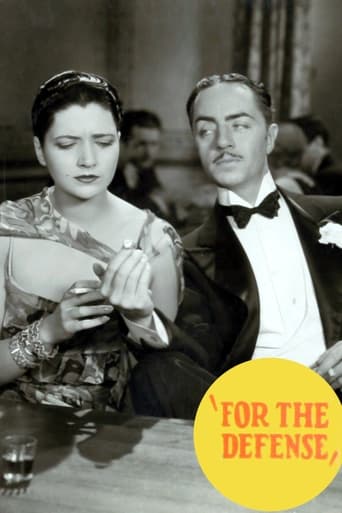
Titles linked here include The Dance of Life (1929), For the Defense (1930).
When was John Cromwell born and when did he die?
Born December 23, 1886; died September 26, 1979.
What awards did John Cromwell win?
His major recognized honor was an Academy Honorary Award in 1948 for directing. He is more widely remembered for critical respect and enduring classic films than for a long list of competitive awards.
What was John Cromwell's directing style?
Cromwell's directing style was elegant, restrained, and strongly focused on performance. He excelled at dramatic pacing, emotional nuance, and adapting theatrical or literary material into clear, polished studio films.
What was John Cromwell's legacy in film history?
His legacy is that of a major craftsman of classic Hollywood who helped define the prestige drama of the 1930s. His films remain important examples of how the studio system handled intimate, sophisticated storytelling.
Was John Cromwell also an actor?
Yes. Although he is primarily remembered as a director, he also appeared as an actor later in his career. That dual career adds to his significance as a versatile figure in American entertainment.