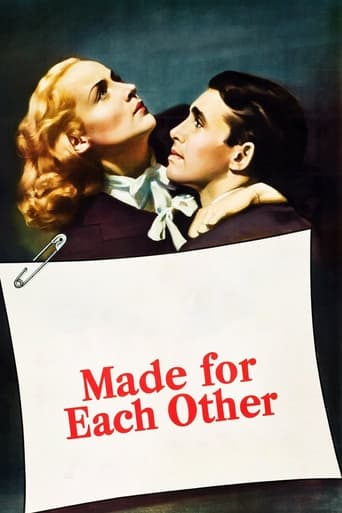
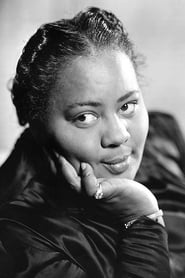
Louise Beavers
Actor
Born: March 8, 1902 in Cincinnati, Ohio, USA Died: October 26, 1962 Active: 1920-1960
Films
9 films



About Louise Beavers
African American actress who became recognizable and respected character actresses of Hollywood's Golden Age. Beginning her career in silent films during the 1920s, she successfully transitioned to talkies and appeared in over 100 films throughout her three-decade career. Her breakthrough role came in 1934's 'Imitation of Life,' where she played Delilah Johnson opposite Claudette Colbert, delivering a powerful performance that earned critical acclaim and demonstrated her ability to handle complex emotional material. Despite being largely typecast in domestic servant roles due to the racial limitations of the era, Beavers consistently brought dignity, warmth, and humanity to her characters, often elevating them beyond the stereotypes they represented. She worked with major stars including Shirley Temple, Cary Grant, and James Stewart, becoming one of the highest-paid Black actresses of her time. Off-screen, Beavers — trailblazer who advocated for better representation and opportunities for African American performers in Hollywood. Her career coincided with significant social change in America, and her persistent presence in mainstream films helped pave the way for future generations of Black actors and actresses.
The Craft
On Screen
Louise Beavers was known for her naturalistic and heartfelt performances that brought warmth and humanity to roles that could have been one-dimensional. She possessed a remarkable ability to convey deep emotion through subtle expressions and gestures, making her characters relatable despite the often stereotypical nature of her parts. Her comedic timing was excellent, and she could switch seamlessly between drama and comedy. Beavers brought exceptional dignity and strength to her characters, often becoming the emotional core of the films she appeared in. She had a gift for finding the humanity in every role, elevating domestic servant characters into fully realized people with complex inner lives.
Milestones
- Breakthrough role in 'Imitation of Life' (1934)
- One of the first African American actresses to receive mainstream critical acclaim
- Appeared in over 100 films during her career
- Successfully transitioned from silent films to talkies
- Became one of the highest-paid Black actresses of the 1930s and 1940s
- Founding member of the Negro Actors Guild of America
- Pioneered more dignified portrayals of African American characters in mainstream cinema
Best Known For
Iconic Roles
Must-See Films
Accolades
Nominated
- Considered for Academy Award nomination for Best Supporting Actress for 'Imitation of Life' (1934) - though not nominated, this was groundbreaking recognition at the time
Special Recognition
- Posthumous recognition as a African American actress
- Honored by the Negro Actors Guild of America
- Recognized in film history for breaking racial barriers in Hollywood
Working Relationships
Worked Often With
Studios
Why They Matter
Impact on Culture
Louise Beavers had a profound and lasting impact on American cinema and culture, particularly regarding African American representation in Hollywood. During an era when opportunities for Black actors were severely limited, she built a remarkable career spanning four decades and appeared in mainstream productions that reached millions of viewers. Her role in 'Imitation of Life' was groundbreaking - one of the first times a Black actress received a substantial, emotionally complex role in a major Hollywood film. While the character was still a domestic worker, Beavers infused the role with such dignity and depth that it challenged audiences' perceptions and helped humanize African American characters in popular media. Her presence in films during the Jim Crow era was an act of resistance and progress, as she consistently worked within and against the system's limitations. The roles she accepted, while often stereotypical, provided crucial visibility for African Americans in mainstream cinema at a time when such representation was virtually nonexistent.
Lasting Legacy
Louise Beavers' legacy extends far beyond her individual performances. She helped pave the way for future generations of African American actors by demonstrating that Black performers could carry significant dramatic weight and connect with mainstream audiences. Her success in Hollywood during one of its most racially restrictive periods proved that talent and perseverance could overcome even the most entrenched barriers. The career she built serves as an important chapter in the history of African American representation in American cinema, and her work continues to be studied by film scholars and historians. Beavers proved that even within the constraints of stereotypical roles, an actor could create memorable, impactful performances that resonated with audiences and advanced the cause of racial equality in entertainment.
Who They Inspired
Beavers influenced countless performers who followed her, from Hattie McDaniel (who won the first Oscar for a Black actress) to contemporary stars. Her approach of bringing dignity and depth to limited roles became a template for other African American actors working within the Hollywood system. She demonstrated that professionalism and excellence could transcend racial barriers, inspiring future generations to demand better opportunities and representation. Her success helped convince studio executives that African American performers could be bankable stars, slowly opening doors for more diverse casting in subsequent decades.
Off Screen
Louise Beavers married Robert LeFevre in 1936, and they remained together until his death in 1939. She never remarried and had no children. Beavers was known for her professionalism and dedication to her craft, often working long hours on film sets while maintaining a positive attitude. She was actively involved in community work and supported various charitable organizations, particularly those serving African American communities. Despite facing racial discrimination in Hollywood, she maintained her dignity and became respected by colleagues of all backgrounds for her talent and work ethic.
Education
Attended public schools in Los Angeles after her family relocated from Cincinnati when she was young
Family
- Robert LeFevre (1936-1939)
Did You Know?
- Beavers began her career as a personal maid for actress Leatrice Joy, which led to her first film opportunities
- She was one of the first African American actresses to earn $1,000 per week, making her one of the highest-paid Black actresses of her time
- Beavers — talented singer and often incorporated her singing abilities into her film roles
- She was a founding member of the Negro Actors Guild of America, an organization dedicated to advancing opportunities for Black performers
- Despite playing maids and servants, she often brought more depth and dignity to these roles than was written in the scripts
- She appeared in both silent films and talkies, successfully making the transition when many actors couldn't
- Beavers worked with Shirley Temple in several films, helping to create more positive representations of African American characters in family films
- Her role in 'Imitation of Life' was so powerful that it led to increased demand for her in more substantial roles
- She was known for her professionalism and reliability, making her a favorite among directors who worked with her repeatedly
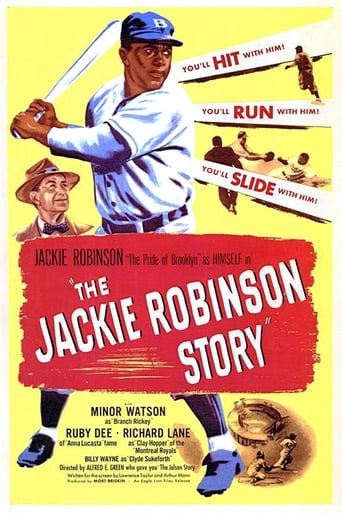
- Her final film appearance was in 'The Jackie Robinson Story' (1950), a significant film about breaking racial barriers in sports
In Their Own Words
I try to bring something more to the roles I'm given. Even if I'm playing a maid, I want to show she's a person with feelings and dignity.
The doors are opening slowly for us, but they are opening. We have to keep pushing.
I'm proud of the work I've done. I know it's not perfect, but it's a start.
Frequently Asked Questions
Who was Louise Beavers?
African American actress who worked in Hollywood from the 1920s through the 1950s, appearing in over 100 films and becoming.
What films is Louise Beavers best known for?
Titles linked here include Imitation of Life (1934), Coquette (1929).
When was Louise Beavers born and when did she die?
Born March 8, 1902; died October 26, 1962.
What awards did Louise Beavers win?
While she didn't receive major formal awards during her lifetime due to the racial barriers of the era, she received critical acclaim for her role in 'Imitation of Life' and was recognized as a figure in African American cinema, though she was considered for but did not receive an Academy Award nomination.
What was Louise Beavers' acting style?
Beavers was known for her naturalistic, heartfelt performances that brought warmth and dignity to her characters, often elevating stereotypical roles through her nuanced portrayals and emotional depth, with excellent comedic timing and the ability to convey complex emotions subtly.
How did Louise Beavers impact African American representation in Hollywood?
Beavers — trailblazer who helped pave the way for future generations of Black performers by maintaining visibility in mainstream films during an era of severe racial restrictions, bringing humanity to stereotypical roles and proving that African American actresses could connect with mainstream audiences.
Was Louise Beavers married and did she have children?
Beavers married Robert LeFevre in 1936 and remained with him until his death in 1939, but she never remarried and had no children, focusing instead on her career and community work.