

Delightfully Dangerous
"Sister on stage — Sherry backstage"
Keys: Space play/pause · ←/→ 10s · F fullscreen · M mute · </> speed
About this film
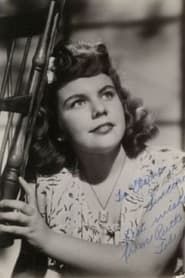
Teen Sherry Williams idolizes stage sister Josephine until Broadway producer's encouragement and wartime romance complicate her debut. Delightfully Dangerous (1945) is youth-musical family fare.
Cast & crew
More Comedy films
View all →






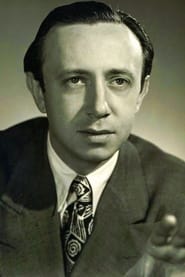
More from Arthur Lubin
View all →
More about this film
About the production
Release dateMarch 23, 1945
BudgetNot publicly documented, but estimated at approximately $400,000-500,000, typical for Universal musical productions of this era
Box officeExact figures not recorded, but performed modestly for a Universal B-musical during wartime
ProductionUniversal Pictures
Filmed inUniversal Studios lot, Universal City, California
Filmed during the final year of World War II, the production faced typical wartime constraints including limited resources and some cast members potentially being called for military service. The burlesque scenes were carefully choreographed and filmed to comply with the Hays Code while still suggesting the risqué nature of the performances. Jane Powell's vocal numbers were recorded live on set rather than pre-recorded, showcasing her remarkable natural talent.
Themes
Family relationships and sisterhoodThe pursuit of artistic dreamsIllusion versus reality in show businessComing of age and self-discoveryThe price of fame and success
Themes & topics
Broadway dreamssister relationshipsmusical performanceburlesqueshow businessteenage singerfamily secretsNew York Citycoming of agedeception and truth
Historical background
Delightfully Dangerous (1945) targeted teen audiences as Hollywood musicals pivoted postwar.
Why this film matters
Kid-sister-breaks-in plots fed later MGM teen musical formulas.
Making of
Arthur Lubin approached this musical with his characteristic efficiency, having honed his skills on numerous Universal productions. The studio was eager to capitalize on Jane Powell's sudden popularity after her successful debut. Powell's natural singing talent was so impressive that the production team decided against the common practice of dubbing vocals, allowing her to sing live during filming. The burlesque sequences presented particular challenges, as the filmmakers had to suggest adult entertainment without violating the strict Hays Code. Choreographer Charles Sidney created dances that were suggestive but not explicit, using camera angles and lighting to maintain the illusion of risqué performance. Ralph Bellamy, a seasoned character actor, provided mentorship to young Powell during filming, helping her navigate the complexities of a leading role. The production completed filming in just 24 days, typical for Universal's economical approach to B-musicals during the wartime era.
What critics said
Reviews were gentle; collectors value it as minor wartime musical.
Did you know?
- This was only Jane Powell's second film appearance, following her debut in 'Song of the Open Road' (1944)
- The film was originally titled 'Sister Act' but Universal changed it to 'Delightfully Dangerous' to better market Powell's youthful appeal
- Jane Powell was just 16 years old during filming, though she played a character meant to be slightly younger
- The film features seven musical numbers, all showcasing Powell's impressive operatic-style soprano voice
- Director Arthur Lubin was better known for his Abbott and Costello comedies and would later direct the TV series 'Mr. Ed'
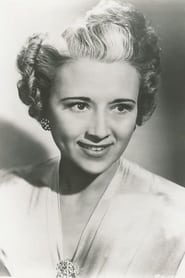
- Constance Moore, who played the sister, was actually 12 years older than Powell despite playing characters meant to be close in age
- The burlesque club scenes were filmed on the same set used for Universal's horror films, redecorated for the production
- Powell's contract with Universal paid her $150 per week, a substantial sum for a teenage actress in 1945
- The film's release timing was strategic, as Powell's first film had proven popular with teenage audiences
- The movie was one of several 'teenage musicals' Universal produced to compete with MGM's more lavish productions
Visual style
The cinematography by George Robinson employed standard Universal studio techniques of the era, utilizing the studio's extensive backlot facilities. Robinson, who had shot numerous Universal productions including horror films, brought a clean, straightforward visual style that prioritized clarity over artistic experimentation. The musical numbers featured more dynamic camera work, including tracking shots and crane movements to enhance the sense of spectacle during Powell's performances. The burlesque sequences used strategic lighting and camera angles to suggest adult entertainment while maintaining Code compliance. The contrast between the bright, wholesome world of Sherry's school and home life versus the shadowy, atmospheric lighting of the burlesque theater created effective visual storytelling. The film's black and white photography, typical of Universal's economical approach, actually enhanced the dramatic contrast between the sister's two worlds.
Innovations
While not groundbreaking in technical terms, 'Delightfully Dangerous' demonstrated Universal's efficient production methods during wartime constraints. The film employed the studio's established system of reusing sets and resources from other productions, with the burlesque theater set being a redressed version of sets previously used in other Universal films. The live recording of Jane Powell's vocals during filming, rather than the industry standard of pre-recording and lip-syncing, was technically challenging but resulted in more authentic performances. The film's sound engineering successfully balanced Powell's powerful operatic voice with the orchestral accompaniment, avoiding the distortion that could occur with less experienced sound technicians. The production's ability to complete filming in just 24 days while maintaining quality demonstrated Universal's streamlined approach to B-musicals. The effective navigation of Hays Code requirements in depicting burlesque entertainment showed technical and creative problem-solving within censorship constraints.
Music
The film's musical score was composed by Walter Scharf, with songs by various writers including Sammy Cahn and Jule Styne. The soundtrack features seven musical numbers, all performed by Jane Powell, showcasing her impressive operatic soprano range. Notable songs include 'Delightfully Dangerous,' the film's title number, and 'I'll Walk With God,' which became one of Powell's signature pieces. The musical arrangements leaned toward classical and operatic styles rather than the more contemporary swing sounds popular at the time, reflecting Powell's classical training. The score was recorded with a full orchestra, giving the modest production a more luxurious sound than its budget might suggest. Powell's vocals were recorded live on set rather than pre-recorded, a practice that was becoming less common but which added authenticity to her performances. The soundtrack was released on 78 rpm records by Decca Records, focusing on Powell's vocal performances.
Famous quotes
Sherry Williams: 'I'm going to be a singer just like my sister Josephine. She's the star of a big Broadway show!'
Arthur Hale: 'Talent like yours doesn't come along every day, young lady. You have something special.'
Josephine Williams: 'Sometimes the truth isn't as glamorous as the stories we tell ourselves.'
Sherry Williams: 'But why didn't you tell me? I would have understood!'
Memorable scenes
- The opening school assembly scene where 16-year-old Jane Powell nervously performs before her classmates, showcasing her remarkable operatic voice for the first time in the film
- The dramatic New York arrival sequence where Sherry discovers her sister's true profession as a burlesque dancer, contrasting the innocent expectations with the harsh reality
- The emotional confrontation between the sisters in the dressing room, where family bonds are tested but ultimately strengthened through honesty
- The final musical number where Sherry performs on a legitimate stage, proving that talent and integrity triumph over deception
What audiences thought
The film performed moderately well at the box office, particularly appealing to Jane Powell's growing fan base of teenage girls and their families. Audiences responded positively to Powell's singing numbers, which were often cited as the film's highlights. The wholesome nature of the story, despite its burlesque elements, made it popular with parents looking for suitable entertainment for younger viewers during wartime. Moviegoers of the era appreciated the film's optimistic tone and its message about pursuing dreams through honest effort rather than deception. The movie developed a modest following through subsequent television broadcasts in the 1950s and 1960s, where it was often featured in programming blocks aimed at family audiences. While never achieving cult status, the film maintains a small but dedicated following among classic film enthusiasts and Jane Powell fans who appreciate it as an early showcase of her talents.
Film connections
Influenced by
- Backstage musicals of the 1930s
- MGM's teenage musicals starring Judy Garland
- The tradition of sister-act films popular in the 1940s
- Universal's formula for economical musical productions
- The wartime trend of wholesome family entertainment
This film influenced
- Jane Powell's subsequent Universal musicals
- The development of teenage musical genre in the late 1940s
- Universal's approach to launching young musical stars
Film restoration
The film has survived and is preserved in the Universal Pictures library. While it hasn't received a major restoration effort, the original negatives and prints are maintained in studio archives. The film entered the public domain in some regions due to copyright renewal issues, which has actually helped its preservation through multiple copies existing in various archives. The movie has been released on DVD by several public domain distributors, though quality varies depending on the source material used. Universal included the film in their streaming library in recent years, making it accessible to new audiences. The soundtrack elements have been preserved separately, allowing for potential future audio restoration if needed.
Where to watch
- Available on streaming services specializing in classic films such as The Criterion Channel (occasionally)
- Can be purchased or rented on Amazon Prime Video and Apple TV
- Included in some classic movie streaming packages on Tubi and Pluto TV
- Available on DVD from various public domain distributors
- Sometimes airs on Turner Classic Movies during Jane Powell retrospectives
- Accessible through some library streaming services like Kanopy