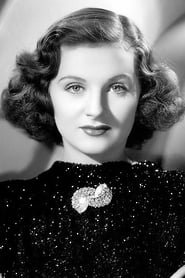
Constance Moore
Actor
Born: January 18, 1920 in Sioux City, Iowa, USA Died: September 16, 2013 Active: 1938-1953 Birth Name: Constance June Moore
Films
3 films

About Constance Moore
American actress and singer who rose to prominence during Hollywood's Golden Age, beginning her career at Universal Pictures in the late 1930s. She quickly established herself as a versatile performer, appearing in a variety of genres including musicals, comedies, and dramas throughout the 1940s. Moore was particularly known for her work in the Abbott and Costello film series, where she showcased both her acting talents and singing abilities. Her career extended beyond film to include successful appearances on radio, television, and in nightclubs, demonstrating her adaptability as an entertainer. After her film career began to wane in the early 1950s, she transitioned to television work and eventually retired from performing to focus on her family life. Despite never achieving the superstar status of some of her contemporaries, Moore maintained a steady career and left behind a body of work that exemplifies the studio system era of Hollywood.
The Craft
On Screen
Moore was known for her natural, accessible acting style that made her relatable to audiences. She possessed a wholesome girl-next-door quality that served her well in both comedic and dramatic roles. Her performances were characterized by a sincere delivery and an ability to convey emotion without excessive melodrama, which was typical of the more restrained acting style of the late 1930s and 1940s. In musical numbers, she demonstrated a warm, pleasant singing voice and graceful movement, making her particularly effective in musical comedies.
Milestones
- Signed with Universal Pictures in 1938
- Starred in the Abbott and Costello film series
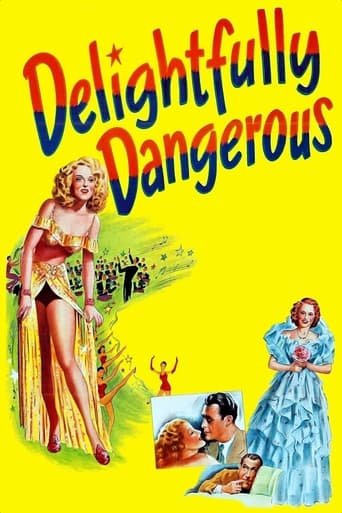
- Appeared in the musical 'Delightfully Dangerous' (1945)
- Performed in radio programs including 'The Abbott and Costello Show'
- Transitioned to television in the 1950s
- Performed as a nightclub singer
Best Known For
Iconic Roles
Must-See Films
Accolades
Special Recognition
- Hollywood Walk of Fame star (Radio category)
Working Relationships
Worked Often With
Studios
Why They Matter
Impact on Culture
Constance Moore represents the quintessential studio system actress of Hollywood's Golden Age, embodying the versatility and adaptability required of performers during that era. Her work with Abbott and Costello contributed to the popularity of one of comedy's most enduring partnerships, while her musical performances helped maintain the genre's relevance during a transitional period in Hollywood. Moore's career trajectory from film to radio to television mirrors the broader evolution of American entertainment media in the mid-20th century. As a woman who successfully navigated the changing landscape of show business, she serves as an example of the adaptability required of performers during this transformative period in entertainment history.
Lasting Legacy
Constance Moore's legacy lies in her contribution to the Golden Age of Hollywood as a reliable and talented performer who could seamlessly transition between different media formats. Her films, particularly those with Abbott and Costello, continue to be enjoyed by classic film enthusiasts and serve as historical artifacts of 1940s American cinema. While not as widely remembered as some of her contemporaries, Moore's body of work exemplifies the professional standards and entertainment values of her era. Her Hollywood Walk of Fame star ensures her place in the permanent record of American entertainment history.
Who They Inspired
Moore influenced subsequent generations of performers through her demonstration of career adaptability and her ability to maintain relevance across multiple entertainment mediums. Her natural acting style and approachable screen presence provided a model for actresses seeking to connect with audiences through authenticity rather than dramatic artifice. Her successful transition from film to radio and television helped pave the way for other performers facing similar industry changes in the post-war period.
Off Screen
Constance Moore married actor Jack Carson in 1943, and their marriage lasted until his death in 1963. The couple had one daughter together. After Carson's death, Moore married Frank R. Nigro in 1965. She was known for maintaining a relatively private personal life despite her public career. In her later years, she lived in Southern California and remained connected to the entertainment industry through various social engagements and film preservation efforts.
Education
Limited information available about her formal education, though she likely attended local schools in Iowa before pursuing her entertainment career in Hollywood.
Family
- Jack Carson (1943-1963, until his death)
- Frank R. Nigro (1965-2013, until her death)
Did You Know?
- She began her career as a singer on radio before transitioning to film
- She appeared in three films with the comedy duo Abbott and Costello
- Her film 'Planet Outlaws' (1953) was actually compiled from footage of the 1939 serial 'Buck Rogers'
- She was discovered by a talent scout while performing in a nightclub
- She received her Hollywood Walk of Fame star in the Radio category rather than Motion Pictures
- She was one of the few actresses to successfully transition from the studio system to television
- She retired from acting relatively early compared to many of her contemporaries
- Her marriage to Jack Carson was considered one of Hollywood's more stable relationships
- She continued to perform as a singer in nightclubs even after her film career declined
- She was known for her professionalism and reliability on set, qualities highly valued by studio executives
In Their Own Words
In Hollywood, you learn quickly that being professional is as important as being talented.
The secret to longevity in show business is being willing to adapt and change with the times.
Working with Abbott and Costello was like being paid to laugh every day.
Frequently Asked Questions
Who was Constance Moore?
American actress and singer who was active during Hollywood's Golden Age, primarily known for her work in films of the 1930s and 1940s, including appearances with Abbott and Costello.
What films is Constance Moore best known for?
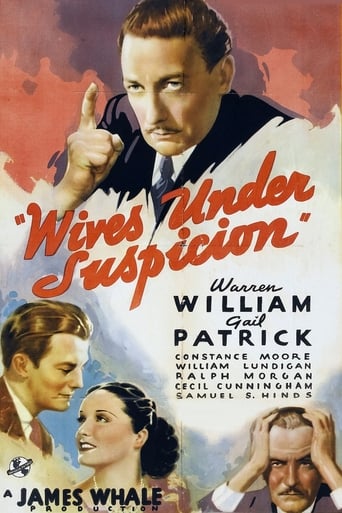
Titles linked here include Wives Under Suspicion (1938), Delightfully Dangerous (1945).
When was Constance Moore born and when did she die?
Born January 18, 1920; died September 16, 2013.
What awards did Constance Moore win?
While she did not receive major acting awards, Constance Moore was honored with a star on the Hollywood Walk of Fame in the Radio category, recognizing her contributions to entertainment.
What was Constance Moore's acting style?
Moore was known for her natural, accessible acting style with a wholesome girl-next-door quality. Her performances were sincere and emotionally restrained, typical of the acting style of the late 1930s and 1940s.
Was Constance Moore married?
Yes, she was married twice - first to actor Jack Carson from 1943 until his death in 1963, and later to Frank R. Nigro from 1965 until her death in 2013.
Did Constance Moore work outside of film?
Yes, Moore had a diverse career that included radio performances, television appearances, and nightclub singing, demonstrating her versatility as an entertainer across multiple media formats.