
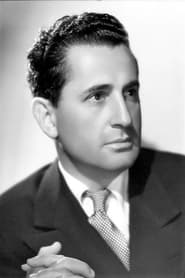
Arthur Lubin
Actor & Director
Born: July 25, 1899 in Los Angeles, California, USA Died: May 12, 1995 Active: 1925-1966 Birth Name: Arthur William Lubin
Films
3 films
About Arthur Lubin
Prolific American film director, producer, and former actor who transitioned from silent film acting to become one of Universal Pictures' most reliable directors during the Golden Age of Hollywood. Born in Los Angeles in 1899, Lubin began his career as an actor in silent films during the 1920s, appearing in productions like 'His People' (1925) and 'Bardelys the Magnificent' (1926) before making the successful transition to directing in the early 1930s. He established himself as a versatile director capable of handling multiple genres, though he found his greatest success with comedies, particularly his work with Abbott and Costello in films like 'Hold That Ghost' (1941) and 'In the Navy' (1941). Lubin's career reached new heights with the creation of the 'Francis the Talking Mule' series in the 1950s, which became a surprise box office phenomenon and cemented his reputation for commercial entertainment. Later in his career, he successfully transitioned to television, creating and producing the beloved series 'Mister Ed' (1961-1966), which showcased his continued ability to work with animal performers and create family-friendly comedy. His directing style was characterized by efficiency, reliability, and a particular talent for extracting performances from non-human actors, making him a unique figure in Hollywood history.
The Craft
On Screen
As an actor during the silent era, Lubin typically played supporting roles and romantic leads, utilizing the exaggerated physical acting style common to the period. His performances were characterized by expressive facial gestures and clear physical storytelling techniques essential to silent film communication.
Behind the Camera
Lubin was known for his efficient, workmanlike approach to filmmaking with a particular talent for comedy and genre pictures. He excelled at working with comedy teams and animal performers, demonstrating patience and technical skill in extracting believable performances from non-human actors. His direction was straightforward and commercially minded, focusing on entertainment value and audience appeal rather than artistic experimentation.
Milestones
- Transition from silent film actor to successful director in the 1930s
- Directed multiple Abbott and Costello comedies for Universal Pictures
- Created the highly successful 'Francis the Talking Mule' film series
- Directed 'The Invisible Man's Revenge' (1944) for Universal's horror series
- Created and produced the television series 'Mister Ed' (1961-1966)
- Became one of Universal's most reliable and commercially successful directors
Best Known For
Iconic Roles
Must-See Films
Accolades
Special Recognition
- Hollywood Walk of Fame star (located at 6363 Hollywood Boulevard)
Working Relationships
Worked Often With
Studios
Why They Matter
Impact on Culture
Arthur Lubin significantly influenced American popular culture through his successful integration of animal performers into mainstream entertainment. The 'Francis the Talking Mule' series created a new subgenre of animal-centered comedy that proved highly profitable and spawned numerous imitations. His work on 'Mister Ed' further demonstrated his unique ability to make audiences suspend disbelief and emotionally connect with animal characters, paving the way for future family entertainment featuring animal stars. Lubin's commercial success with these properties helped establish the viability of animal-centered programming in both film and television.
Lasting Legacy
Arthur Lubin's legacy in cinema history is that of a consummate professional craftsman who delivered reliable entertainment to mass audiences for over four decades. While never achieving critical acclaim as an auteur director, his commercial success and longevity in the industry demonstrate his understanding of audience preferences and his ability to adapt to changing media landscapes. His work with animal performers created a template that continues to influence family entertainment today, and his successful transition from film to television in the 1960s showed his adaptability as a filmmaker.
Who They Inspired
Lubin influenced subsequent generations of filmmakers working in comedy and family entertainment, particularly those dealing with animal performers. His techniques for directing animal actors and creating believable interactions between human and non-human performers became industry standards. His success with the Abbott and Costello films contributed to the development of the team comedy formula that would influence later comedy duos and ensemble casts.
Off Screen
Arthur Lubin was married twice during his lifetime. His first marriage was to actress Barbara Pepper, known for her role as Doris Ziffel on the television show 'Green Acres.' After their divorce, he married June Haver, a Fox musical star of the 1940s. Lubin was known in Hollywood circles as a reliable professional who maintained good relationships with studio executives and cast members throughout his long career.
Education
Attended Los Angeles High School, later studied drama at the Los Angeles Academy of Dramatic Arts
Family
- Barbara Pepper (1943-1948)
- June Haver (1950-2007, until his death)
Did You Know?
- Was one of the few directors to successfully transition from silent film acting to directing in the sound era
- The 'Francis the Talking Mule' series was so successful that it spawned seven sequels
- Discovered the mule that played Francis while filming a location scene in rural California
- His television series 'Mister Ed' used a nylon thread attached to the horse's halter to get the horse to move his lips
- Directed over 60 films during his career, making him one of Hollywood's most prolific directors
- Was known for his ability to complete films on time and under budget, making him a favorite of studio executives
- His final film as director was 'The Wonderful World of the Brothers Grimm' (1962), which he co-directed
- Served in the United States Army Air Forces during World War II, making training films
- Was instrumental in giving early career opportunities to many actors who later became stars
- His directing style was often described as 'invisible' - he prioritized the story and performers over personal artistic flourishes
In Their Own Words
The secret to directing animals is patience and more patience. They work on their own schedule, not yours.
I never considered myself an artist. I was a craftsman who made entertainment that people wanted to see.
Working with Abbott and Costello was like conducting an orchestra of comedy - you had to know when to let them improvise and when to keep them on script.
Frequently Asked Questions
Who was Arthur Lubin?
American on YTB.my. He's best known for directing Abbott and Costello comedies, the Francis the Talking Mule film series, and creating the television series Mister Ed.
What films is Arthur Lubin best known for?
Titles linked here include Hold That Ghost (1941), In the Navy (1941).
When was Arthur Lubin born and when did he die?
Born July 25, 1899; died May 12, 1995.
What awards did Arthur Lubin win?
While Arthur Lubin didn't receive major industry awards like Academy Awards, he was honored with a star on the Hollywood Walk of Fame for his contributions to television. His greatest recognition came from the commercial success of his films and television shows.
What was Arthur Lubin's directing style?
Lubin's directing style was efficient, commercial, and workmanlike, with a particular talent for comedy and working with animal performers. He prioritized entertainment value and audience appeal over artistic experimentation, making him one of Universal Pictures' most reliable directors.