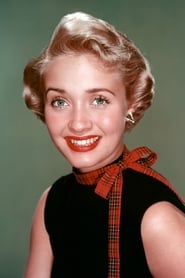
Jane Powell
Actor
Born: April 1, 1929 in Portland, Oregon, USA Died: September 16, 2021 Active: 1944-2015 Birth Name: Suzanne Lorraine Burce
Films
2 films

About Jane Powell
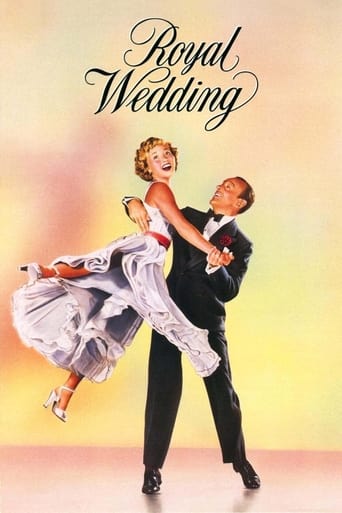
Jane Powell, born Suzanne Lorraine Burce, was an American actress, singer, and dancer who became one of MGM's most popular musical stars during Hollywood's Golden Age. Discovered at age 12 after winning a talent contest on a Portland radio station, she was signed to MGM in 1944 and quickly established herself as the studio's wholesome girl-next-door with a remarkable four-octave soprano voice. Powell's breakthrough came with films like 'Holiday in Mexico' (1946) and 'A Date with Judy' (1948), but her most celebrated performance was opposite Fred Astaire in 'Royal Wedding' (1951), where she famously danced on the ceiling. She continued her success with starring roles in 'Seven Brides for Seven Brothers' (1954) and 'Deep in My Heart' (1954), cementing her status as one of the era's premier musical performers. As musical films declined in popularity during the late 1950s, Powell successfully transitioned to television, theater, and nightclubs, making her Broadway debut in 'Irene' in 1973. She remained active in entertainment well into her later years, becoming one of the last surviving stars from Hollywood's golden musical era until her death in 2021 at age 92.
The Craft
On Screen
Jane Powell was known for her bright, cheerful, and wholesome persona that perfectly embodied the all-American girl archetype of post-war cinema. Her acting style combined genuine warmth and innocence with exceptional musical talent, featuring a crystalline four-octave soprano voice that she showcased in nearly every film. Powell possessed natural comic timing and an effervescent screen presence that made her particularly effective in light-hearted musical comedies. Unlike many musical stars who relied primarily on their singing, Powell developed solid dramatic skills that allowed her to carry complex emotional scenes, particularly evident in her later more mature roles. Her dancing abilities, while not as technically polished as some contemporaries, were energetic and charming, serving the story rather than overwhelming it.
Milestones
- Signed by MGM Studios in 1944 at age 15
- Breakthrough role in 'Holiday in Mexico' (1946)
- Starred opposite Fred Astaire in 'Royal Wedding' (1951)
- Lead role in the classic 'Seven Brides for Seven Brothers' (1954)
- Broadway debut in 'Irene' (1973)
- Published autobiography 'The Girl Next Door. And How She Grew' in 1988
- Received Hollywood Walk of Fame star in 1960
Best Known For
Iconic Roles
Must-See Films
Accolades
Won
- Young Hollywood Hall of Fame (1940s)
Nominated
- Golden Globe nomination for Best Actress in a Motion Picture – Musical or Comedy for 'Royal Wedding' (1952)
Special Recognition
- Hollywood Walk of Fame star (February 8, 1960)
- Young Hollywood Hall of Fame inductee
- Lifetime Achievement Award from the Hollywood Film Festival (2000)
- Golden Palm Stars on the Palm Springs Walk of Stars
Working Relationships
Worked Often With
Studios
Why They Matter
Impact on Culture
Jane Powell represented the idealized American girl in post-World War II cinema, embodying the wholesome values and optimism that characterized 1950s American culture. Her films, particularly the MGM musicals, helped define the golden age of Hollywood musicals and continue to influence contemporary musical theater and film productions. Powell's girl-next-door image provided an important alternative to the more glamorous and sophisticated Hollywood stars of her era, making her relatable to mainstream American audiences. Her performances in films like 'Seven Brides for Seven Brothers' and 'Royal Wedding' have become cultural touchstones that are frequently referenced and parodied in modern media. As one of the last surviving stars from Hollywood's golden musical era, Powell served as a living connection to this important period in American cultural history, participating in numerous documentaries and retrospectives that helped preserve and celebrate this legacy for new generations.
Lasting Legacy
Jane Powell's legacy endures through her notable performances in some of Hollywood's most beloved musical films, which continue to be broadcast regularly and introduced to new audiences. Her work helped establish the template for the wholesome musical heroine that would influence performers for decades, from Julie Andrews to modern Disney stars. Powell's films, particularly 'Seven Brides for Seven Brothers' and 'Royal Wedding,' are considered classics of the musical genre and are frequently studied in film schools for their choreography, musical integration, and cultural significance. Beyond her film work, Powell's successful transition to television and theater demonstrated remarkable adaptability in an industry known for its fleeting fame. Her longevity in entertainment, spanning over seven decades, and her gracious maintenance of her classic image made her a beloved figure among classic film enthusiasts and a respected elder stateswoman of Hollywood. Powell's autobiography and numerous interviews have provided valuable firsthand accounts of the Golden Age of Hollywood, making her an important historical resource for film scholars and enthusiasts.
Who They Inspired
Jane Powell influenced subsequent generations of musical performers through her combination of vocal excellence, wholesome charm, and genuine acting ability. Her success in transitioning from child performer to adult leading lady provided a model for later entertainers including Debbie Reynolds, Doris Day, and even modern stars like Anne Hathaway who have followed similar career paths. Powell's technique of integrating musical numbers seamlessly into narrative storytelling influenced the development of the modern movie musical. Her work with choreographers like Stanley Donen helped establish new standards for dance in musical films that continue to influence contemporary productions. The wholesome, family-friendly image Powell maintained throughout her career created a template for Disney's approach to casting young performers and influenced the development of the 'girl-next-door' archetype in American entertainment. Her continued performances in later life also demonstrated that musical performers could maintain relevance beyond their youth, influencing performers like Barbra Streisand and Liza Minnelli who have similarly extended their careers across multiple decades and media formats.
Off Screen
Jane Powell was married five times throughout her life and had three children from different marriages. Her first marriage to hockey player Geary Steffen Jr. (1949-1954) produced two daughters, Suzanne and Gearhardt. Her second marriage to Patrick Nerney (1954-1957) gave her a third daughter, Lindsay. She married actor Geoffrey Parlane in 1957 (divorced 1961), then briefly married David Street (1961-1963). Her final marriage to former child actor Dickie Moore in 1988 lasted until his death in 2015. Powell — devout Christian and a Republican who actively supported Ronald Reagan's political campaigns. In her later years, she lived in Wilton, Connecticut, and remained involved in charitable work, particularly with organizations supporting children and the arts.
Education
Limited formal education due to early entertainment career; attended local schools in Portland, Oregon until her family moved to Los Angeles when she was 14 to pursue her career in entertainment.
Family
- Geary Steffen Jr. (1949-1954)
- Patrick Nerney (1954-1957)
- Geoffrey Parlane (1957-1961)
- David Street (1961-1963)
- Dickie Moore (1988-2015)
Did You Know?
- She was discovered at age 12 after winning a talent contest on a Portland radio station called 'The Aunt Bee Program'
- Her stage name 'Jane Powell' was chosen by MGM executives who thought it sounded more wholesome and American than her birth name
- She had a four-octave vocal range and — classically trained soprano
- She performed for President Dwight D. Eisenhower at the White House in 1957
- Her famous ceiling dance in 'Royal Wedding' was achieved through a rotating room set, not special effects
- She was a Republican and actively supported Ronald Reagan's gubernatorial and presidential campaigns
- She made her Broadway debut at age 44 in the 1973 revival of 'Irene'
- She continued performing in her 80s, appearing in cabaret shows and film retrospectives
- She was a licensed pilot and enjoyed flying small aircraft
- Her film 'Delightfully Dangerous' (1945) was her first starring role at age 16
- She wrote her autobiography 'The Girl Next Door. And How She Grew' which was published in 1988
- She was one of the last surviving stars from MGM's golden age of musicals
In Their Own Words
I was the girl next door, but I could sing. That's what made me different from the other girls next door.
I never wanted to be a sex symbol. I wanted to be a good actress and a good singer. That's what I worked for.
The musicals were wonderful. They made people happy. That's what I wanted to do - make people happy.
I wasn't a great dancer, but I could dance well enough to get by. Fred Astaire made me look like I could dance.
Hollywood in those days was like a big family. We all knew each other, we all worked together, and we all supported each other.
Frequently Asked Questions
Who was Jane Powell?
American actress, singer, and dancer who became one of MGM's most popular musical stars during Hollywood's Golden Age. Known for her wholesome girl-next-door image and exceptional four-octave singing voice, she starred in classic films including 'Royal Wedding' (1951) and 'Seven Brides for Seven Brothers' (1954).
What films is Jane Powell best known for?
Titles linked here include Royal Wedding (1951), Seven Brides for Seven Brothers (1954).
When was Jane Powell born and when did she die?
Born April 1, 1929; died September 16, 2021.
What awards did Jane Powell win?
While Jane Powell did not receive major Academy Awards, she earned a Golden Globe nomination for 'Royal Wedding' (1952) and received a star on the Hollywood Walk of Fame in 1960. She was also inducted into the Young Hollywood Hall of Fame and received a Lifetime Achievement Award from the Hollywood Film Festival in 2000.
What was Jane Powell's acting style?
Jane Powell was known for her bright, cheerful, and wholesome persona that embodied the all-American girl archetype. Her acting combined genuine warmth with exceptional musical talent, featuring a crystalline four-octave soprano voice, natural comic timing, and an effervescent screen presence that made her particularly effective in light-hearted musical comedies.
How long was Jane Powell's career?
Jane Powell's entertainment active years covered over seven decades, from her discovery at age 12 in 1941 until her final public appearances in the 2010s. Her film career peaked in the 1940s and 1950s, but she continued working in television, theater, and cabaret performances well into her later years.
Was Jane Powell married and did she have children?
Jane Powell was married five times and had three daughters: Suzanne and Gearhardt from her first marriage to Geary Steffen Jr., and Lindsay from her second marriage to Patrick Nerney. Her final marriage to former child actor Dickie Moore lasted from 1988 until his death in 2015.