
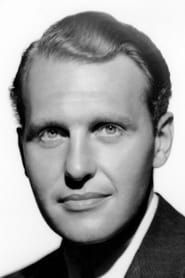
Ralph Bellamy
Actor
Born: June 17, 1904 in Chicago, Illinois, USA Died: November 29, 1991 Active: 1929-1990 Birth Name: Ralph Rexford Bellamy
Films
3 films
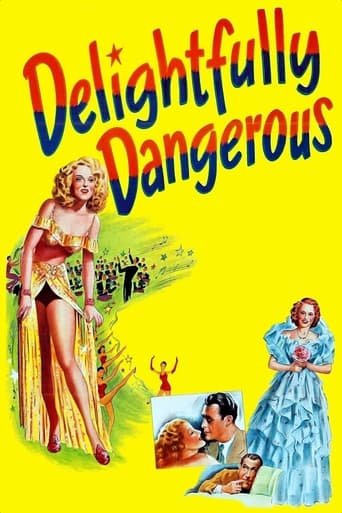
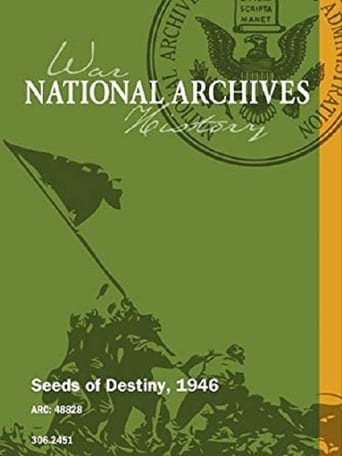
About Ralph Bellamy
Ralph Rexford Bellamy — American actor whose six decades, from the early days of sound cinema through the Golden Age of Hollywood and into the television era. Born in Chicago in 1904, Bellamy began his career on Broadway before transitioning to films in the early 1930s, quickly establishing himself as a reliable character actor known for his warm, earnest portrayals. His breakthrough role came in 'The Awful Truth' (1937), which earned him an Academy Award nomination and cemented his status as a leading supporting player in Hollywood's romantic comedies. Throughout the 1940s, Bellamy appeared in numerous films including his memorable performance as Bruce Baldwin in the screwball classic 'His Girl Friday' (1940), where he perfectly embodied the well-meaning but outmatched romantic rival to Cary Grant. In the 1950s, he returned to Broadway and achieved tremendous success portraying Franklin D. Roosevelt in 'Sunrise at Campobello,' winning a Tony Award for his performance. Bellamy continued working steadily through the 1960s, 70s, and 80s, appearing in films like 'Rosemary's Baby' (1968) and 'Trading Places' (1983), while also finding success on television with series like 'The Nurses.' His final performance came in 1990's 'Pretty Woman,' capping off a remarkable career that showcased his versatility across comedy, drama, and everything in between.
The Craft
On Screen
Bellamy was known for his naturalistic, understated acting style that brought warmth and authenticity to every role. He excelled at playing earnest, sincere characters who often found themselves in comedic situations, using his gentle demeanor and impeccable timing to create sympathetic portrayals. His approach was rooted in his stage training, emphasizing clear diction and emotional honesty, which made him equally effective in both comedy and drama. Bellamy had a unique ability to play the 'straight man' without being boring, bringing depth to characters that could have been one-dimensional in lesser hands.
Milestones
- Academy Award nomination for The Awful Truth (1937)
- Tony Award for Sunrise at Campobello (1958)
- Star on Hollywood Walk of Fame (1960)
- Screen Actors Guild Life Achievement Award (1986)
- Memorable role in His Girl Friday (1940)
- Portrayal of FDR in Sunrise at Campobello (1960)
- Late career resurgence with Trading Places (1983)
Best Known For
Iconic Roles
Must-See Films
Accolades
Won
- Tony Award for Best Featured Actor in a Play for Sunrise at Campobello (1958)
- Screen Actors Guild Life Achievement Award (1986)
- National Board of Review Award for Best Acting for Sunrise at Campobello (1960)
Nominated
- Academy Award for Best Supporting Actor for The Awful Truth (1937)
- Golden Globe Award for Best Supporting Actor for Sunrise at Campobello (1961)
- Emmy Award for Outstanding Single Performance by an Actor in a Leading Role for The United States Steel Hour (1956)
Special Recognition
- Star on Hollywood Walk of Fame (1960)
- Screen Actors Guild Life Achievement Award (1986)
- Inducted into American Theatre Hall of Fame
- Honorary lifetime member of The Actors Studio
Working Relationships
Worked Often With
Studios
Why They Matter
Impact on Culture
Ralph Bellamy's impact on cinema extends far beyond his individual performances, as he helped define the role of the character actor in Hollywood's Golden Age. His ability to consistently deliver compelling supporting performances elevated the quality of numerous films and demonstrated the importance of well-developed secondary characters. Bellamy's portrayal of Franklin D. Roosevelt was particularly significant, as it brought one of America's most important presidents to life for both stage and screen audiences, helping to preserve Roosevelt's legacy in popular culture. His work in screwball comedies, particularly 'His Girl Friday,' contributed to the development of the genre and showcased how character actors could steal scenes while supporting the leads. Bellamy's longevity and adaptability also proved that character actors could have sustained careers, inspiring generations of performers to embrace supporting roles as meaningful artistic contributions.
Lasting Legacy
Ralph Bellamy's legacy is that of a consummate professional who elevated every production he touched through his dedication, versatility, and authentic performances. He left behind an impressive body of work spanning over 100 films and numerous television appearances, showcasing his remarkable range from comedy to drama. His portrayal of FDR remains. Bellamy's career demonstrated that character actors could achieve both critical acclaim and popular recognition, paving the way for future generations of supporting players. His receipt of the Screen Actors Guild Life Achievement Award in 1986 underscored the respect he earned from his peers and his significant contributions to the craft of acting. Today, Bellamy is remembered as one of Hollywood's most reliable and talented character actors, whose warm presence and nuanced performances continue to entertain and inspire audiences.
Who They Inspired
Bellamy influenced countless actors through his example of professionalism, consistency, and artistic integrity. His ability to create memorable characters while never overshadowing the leads became a model for character actors who followed. Many actors studied his technique for balancing comedy and drama, particularly in screwball comedies where timing was crucial. His successful transition from Broadway to film and later to television showed actors the value of versatility and adaptability in an changing entertainment landscape. Bellamy's dedication to his craft, continuing to work well into his 80s, demonstrated that acting could be a lifelong profession. His involvement with the Actors Studio and SAG also allowed him to directly mentor younger performers, passing on his knowledge and experience to the next generation of Hollywood talent.
Off Screen
Ralph Bellamy was married four times throughout his life. His first marriage to Alice Delbridge ended in divorce in 1930. He then married Catherine Walker in 1931, which also ended in divorce. In 1945, he married organist Ethel Smith, but this marriage too was short-lived. His final and longest marriage was to Alice Murphy in 1949, which lasted until his death in 1991. Bellamy had one son, Rexford Bellamy, from his first marriage. He was known for his professionalism and dedication to his craft, maintaining a busy schedule well into his 80s. Bellamy was also actively involved in supporting fellow actors through his work with the Screen Actors Guild.
Education
Attended New Trier High School in Winnetka, Illinois; later studied at the Sargent School of Acting in Chicago
Family
- Alice Delbridge (1927-1930)
- Catherine Walker (1931-1945)
- Ethel Smith (1945-1947)
- Alice Murphy (1949-1991)
Did You Know?
- Despite being typecast as the 'other man' in romantic comedies, Bellamy was happily married for 42 years to Alice Murphy
- He stood 6'2" tall, unusually tall for a leading man of his era
- Bellamy — accomplished pilot and owned several airplanes
- He served as president of the Screen Actors Guild from 1952-1957
- His role as FDR in Sunrise at Campobello was so convincing that the real Roosevelt's family praised his performance
- Bellamy appeared in over 100 films during his career
- He was a founding member of the Actors Studio
- His final film appearance was in Pretty Woman (1990) at age 86
- Bellamy originally wanted to be a doctor before discovering acting
- He was nominated for an Oscar, Tony, and Emmy during his career - one of the few actors to achieve this 'triple crown' of nominations
In Their Own Words
I've never been a star, but I've been a working actor for over 60 years, and that's something to be proud of.
The secret to longevity in this business is simple: show up on time, know your lines, and don't cause trouble.
Playing FDR was the greatest challenge and honor of my career. I felt a tremendous responsibility to get it right.
In comedy, timing is everything. In drama, truth is everything. The trick is finding both in every role.
I never minded playing second fiddle to Cary Grant or anyone else. A good film is a good film, no matter the billing.
Frequently Asked Questions
Who was Ralph Bellamy?
American with credits in this catalog. He was particularly famous for his roles in Golden Age Hollywood films like 'His Girl Friday' and for his Tony-winning portrayal of Franklin D. Roosevelt in 'Sunrise at Campobello.' Bellamy was regarded as one of Hollywood's most reliable character actors, appearing in over 100 films.
What films is Ralph Bellamy best known for?
Titles linked here include His Girl Friday (1940), The Awful Truth (1937).
When was Ralph Bellamy born and when did he die?
Born June 17, 1904; died November 29, 1991.
What awards did Ralph Bellamy win?
Bellamy won a Tony Award for Best Featured Actor for his stage performance in 'Sunrise at Campobello' (1958) and received the Screen Actors Guild Life Achievement Award in 1986. He was also nominated for an Academy Award for Best Supporting Actor for 'The Awful Truth' (1937) and received a star on the Hollywood Walk of Fame in 1960.
What was Ralph Bellamy's acting style?
Bellamy was known for his naturalistic, understated acting style characterized by warmth and authenticity. He excelled at playing earnest, sincere characters, often in comedic situations, using impeccable timing and a gentle demeanor. His approach was rooted in stage training, emphasizing clear diction and emotional honesty, making him equally effective in both comedy and drama.
Did Ralph Bellamy serve as president of any organizations?
Yes, Ralph Bellamy served as president of the Screen Actors Guild from 1952 to 1957, where he worked to protect actors' rights and improve working conditions in Hollywood. He was also a founding member of the Actors Studio and remained actively involved in supporting fellow actors throughout his career.
How many times was Ralph Bellamy married?
Ralph Bellamy was married four times. His first three marriages ended in divorce, but his fourth marriage to Alice Murphy in 1949 lasted until his death in 1991, spanning 42 years. He had one son, Rexford Bellamy, from his first marriage to Alice Delbridge.