
Arthur Treacher
Actor
Born: July 23, 1894 in Brighton, Sussex, England Died: December 14, 1975 Active: 1929-1965 Birth Name: Arthur Veary Treacher
Films
2 films
About Arthur Treacher
British character actor who became Hollywood's quintessential English butler throughout the Golden Age of cinema. Born in Brighton, England, he served in World War I before beginning his acting career on the London stage. He moved to the United States in the late 1920s and quickly established himself in Hollywood films, specializing in roles that required his tall, dignified bearing and impeccably proper British accent. His breakthrough came in the 1930s when he was frequently cast as butlers, valets, and other proper English gentlemen, becoming so associated with these roles that he essentially typecast himself in the most profitable way possible. Arthur appears in over 70 films between 1929 and 1965, working with major stars like Shirley Temple, Fred Astaire, and the Marx Brothers. In his later years, he successfully transitioned to television, appearing on popular shows and even hosting his own variety program. Beyond his acting career, he became an American cultural icon, lending his name to the Arthur Treacher's Fish and Chips restaurant chain, which capitalized on his authentic British persona.
The Craft
On Screen
Treacher specialized in playing dignified, proper English gentlemen with impeccable manners and a distinctive upper-class British accent. His tall, lanky frame (6'4") and formal bearing made him perfect for butler and valet roles. He delivered his lines with precise diction and a dry wit that became his trademark. His acting style was deliberately understated and formal, often serving as a perfect comic foil to more boisterous American characters. He had a unique ability to convey both authority and subservience simultaneously, making his butler characters memorable despite often limited screen time.
Milestones
- Became Hollywood's definitive English butler character actor
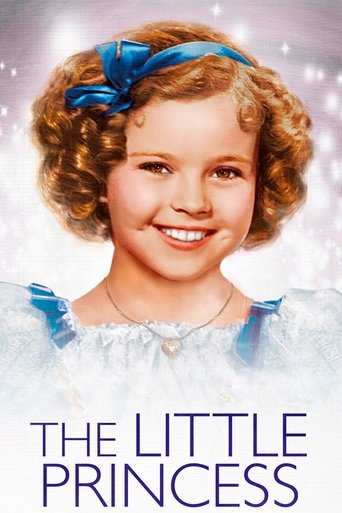
- Regular supporting actor in Shirley Temple films including 'The Little Princess' (1939)
- Starred in the Marx Brothers film 'A Day at the Races' (1937)
- Hosted 'The Arthur Treacher Show' on television in the early 1960s
- Lent his name to Arthur Treacher's Fish and Chips restaurant chain
- Appeared in over 70 films during his 36-year career
- Successfully transitioned from silent films to talkies and later to television
Best Known For
Iconic Roles
Must-See Films
Accolades
Special Recognition
- Hollywood Walk of Fame star (located at 6270 Hollywood Blvd)
- Arthur Treacher's Fish and Chips restaurant chain named in his honor
Working Relationships
Worked Often With
Studios
Why They Matter
Impact on Culture
Arthur Treacher became an American cultural symbol of British propriety and service, essentially defining the Hollywood archetype of the English butler for generations. His distinctive accent and dignified mannerisms became so ingrained in American popular culture that 'Arthur Treacher' became shorthand for any proper English servant. His influence extended beyond film into television commercials and even the food industry, where his name became synonymous with authentic British fish and chips in America. He helped establish the character actor as a vital component of Hollywood's golden age, demonstrating how supporting players could become beloved icons through consistent, memorable performances.
Lasting Legacy
Arthur Treacher's legacy endures through his extensive filmography, his Hollywood Walk of Fame star, and the continuing cultural recognition of his name. The Arthur Treacher's Fish and Chips chain, though now much smaller than at its peak, still bears his name and maintains his association with British culture in America. Film historians recognize him as. His performances continue to be studied as examples of how to create memorable characters with limited screen time through distinctive voice, physical presence, and consistent characterization.
Who They Inspired
Treacher influenced generations of character actors, particularly those specializing in British roles or servant characters. His success demonstrated the value of embracing typecasting rather than fighting it, showing how actors could build entire careers by perfecting a specific persona. Later British actors in Hollywood, including actors like John Gielgud and Jeremy Irons in their American film roles, benefited from the foundation Treacher helped establish for the British character actor in Hollywood. His work also influenced how American audiences perceived British culture and class structure through cinema.
Off Screen
Arthur Treacher was married twice during his lifetime. He married his first wife, Virginia Taylor, in 1928, but the marriage ended in divorce. In 1940, he married his second wife, Mildred (whose maiden name was not widely publicized), and they remained together until his death. Despite his on-screen persona as a proper English gentleman, Treacher was known to have a good sense of humor and was well-liked by his Hollywood colleagues. He became a naturalized American citizen while maintaining his distinctly British identity. In his later years, he suffered from declining health but continued to work in television as long as his health permitted.
Education
Educated in England, attended boarding school, served in the Royal Army during World War I before pursuing acting
Family
- Virginia Taylor (1928-1939, divorced)
- Mildred Treacher (1940-1975, his death)
Did You Know?
- He was 6 feet 4 inches tall, which contributed to his imposing butler presence
- Served as a private in the Royal Army Service Corps during World War I
- The Arthur Treacher's Fish and Chips restaurant chain peaked at over 500 locations
- He was a naturalized American citizen but never lost his distinctive British accent
- Appeared as a regular on 'The Beverly Hillbillies' television series in the 1960s
- His catchphrase 'Certainly, sir' became widely imitated
- He was a skilled horseman and often performed his own riding scenes in films
- Hosted 'The Arthur Treacher Show' on ABC television from 1961-1962
- Was a close friend of fellow British actor Cary Grant
- His final film appearance was in 'The Great Race' (1965)
In Their Own Words
"Certainly, sir" - his signature line as a butler
"I may be only a butler, but I'm a British butler" - from various film roles
"Proper English tea requires proper English service" - from a film appearance
"A gentleman's gentleman must always be a gentleman" - character philosophy expressed in interviews
Frequently Asked Questions
Who was Arthur Treacher?
British character with credits in this catalog. He appeared in over 70 films between 1929 and 1965, specializing in proper, dignified roles that showcased his distinctive British accent and mannerisms.
What films is Arthur Treacher best known for?
Titles linked here include The Little Princess (1939), Heidi (1937).
When was Arthur Treacher born and when did he die?
Born July 23, 1894; died December 14, 1975.
What awards did Arthur Treacher win?
While Arthur Treacher did not receive major acting awards or Academy Award nominations, he was honored with a star on the Hollywood Walk of Fame at 6270 Hollywood Blvd. His greatest recognition came through the enduring popularity of his character type and the restaurant chain named after him.
What was Arthur Treacher's acting style?
Arthur Treacher's acting style was characterized by his dignified, formal demeanor and precise British accent. He specialized in playing proper English gentlemen, particularly butlers and valets, with a dry wit and understated delivery. His tall, lanky frame and impeccable posture made him instantly recognizable in any role.