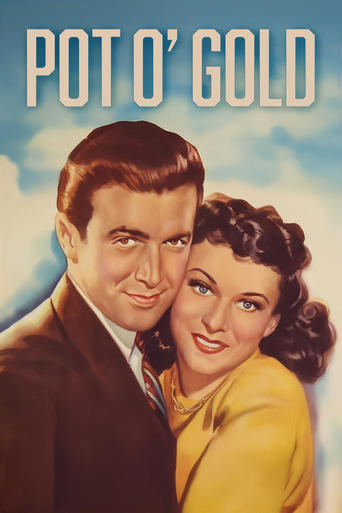
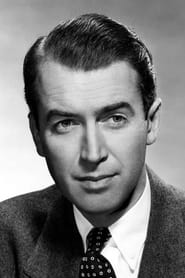
James Stewart
Actor
Born: May 20, 1908 in Indiana, Pennsylvania, USA Died: July 2, 1997 Active: 1932-1991 Birth Name: James Maitland Stewart
Films
4 films
About James Stewart
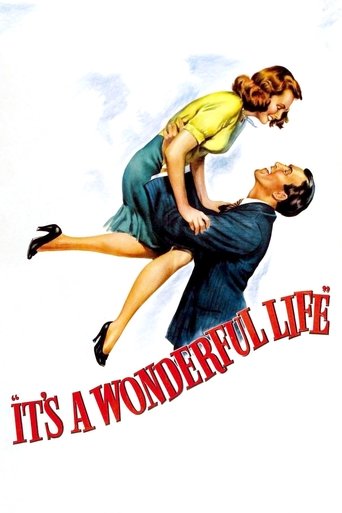
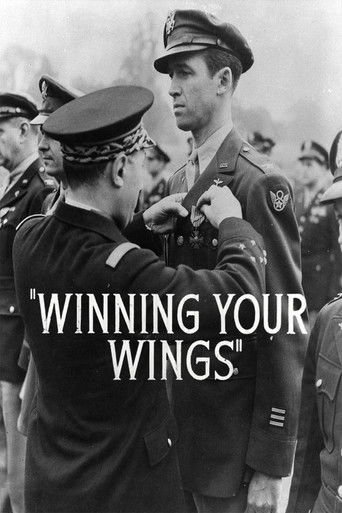
James Maitland Stewart was one of Hollywood's most beloved and respected actors, known for his distinctive 'everyman' persona and naturalistic acting style. After graduating from Princeton University with a degree in architecture, he began his acting career on Broadway before transitioning to films in 1935. Stewart quickly rose to stardom with his breakthrough role in 'Mr. Smith Goes to Washington' (1939), establishing himself as the embodiment of American idealism and integrity. His career was interrupted by World War II service, where he became a highly decorated pilot, eventually reaching the rank of Brigadier General in the Air Force Reserve. Post-war, Stewart delivered some of his most memorable performances, including George Bailey in 'It's a Wonderful Life' (1946) and his acclaimed collaborations with director Alfred Hitchcock. He successfully transitioned into more complex roles in the 1950s, particularly in his Western films with director Anthony Mann. Stewart continued acting into his 80s, leaving behind a legacy of over 80 films and establishing himself as a true American icon both on and off screen.
The Craft
On Screen
Stewart developed a naturalistic acting style characterized by his distinctive halting speech pattern, subtle gestures, and ability to convey deep emotion through understated performance. He pioneered the 'anti-hero' archetype in Westerns and was known for his improvisational techniques and ability to make audiences believe in the authenticity of his characters. His style evolved from the earnest idealist of his early films to more complex, morally ambiguous characters in his later work.
Milestones
- Breakthrough role in 'Mr. Smith Goes to Washington' (1939)
- Academy Award for 'The Philadelphia Story' (1940)
- Iconic performance as George Bailey in 'It's a Wonderful Life' (1946)
- Collaboration with Alfred Hitchcock on 'Vertigo' (1958) and 'Rear Window' (1954)
- Western film series with director Anthony Mann
- Military service in WWII reaching rank of Brigadier General
- AFI Life Achievement Award (1980)
- Honorary Academy Award (1985)
Best Known For
Iconic Roles
Must-See Films
Accolades
Won
- Academy Award for Best Actor for 'The Philadelphia Story' (1940)
- Honorary Academy Award (1985)
- Golden Globe Award for Best Actor for 'The Stratton Story' (1949)
- New York Film Critics Circle Award for Best Actor for 'Mr. Smith Goes to Washington' (1939)
- Volpi Cup (Venice Film Festival) for 'The Philadelphia Story' (1940)
- Cecil B. DeMille Award (Golden Globes) (1965)
Nominated
- Academy Award nomination for Best Actor for 'Mr. Smith Goes to Washington' (1939)
- Academy Award nomination for Best Actor for 'It's a Wonderful Life' (1946)
- Academy Award nomination for Best Actor for 'Harvey' (1950)
- Academy Award nomination for Best Actor for 'Anatomy of a Murder' (1959)
- Academy Award nomination for Best Actor for 'The Flight of the Phoenix' (1965)
Special Recognition
- AFI Life Achievement Award (1980)
- Kennedy Center Honors (1983)
- Presidential Medal of Freedom (1985)
- Hollywood Walk of Fame star
- American Film Institute's Greatest Male Stars list (ranked #3)
- National Board of Review Career Achievement Award (1980)
Working Relationships
Worked Often With
Studios
Why They Matter
Impact on Culture
James Stewart fundamentally shaped the American cinematic archetype of the 'everyman' hero, representing the values of integrity, humility, and moral courage that resonated deeply with audiences during and after World War II. His portrayal of George Bailey in 'It's a Wonderful Life' created one of cinema's most enduring symbols of American idealism and community values. Stewart's naturalistic acting style influenced generations of performers, moving away from theatricality toward more authentic, relatable performances. His military service and genuine patriotism made him a symbol of American values both on and off screen, while his later complex roles helped mature American cinema's treatment of moral ambiguity and psychological depth.
Lasting Legacy
James Stewart's legacy encompasses not only his extraordinary filmography but also his embodiment of American values during Hollywood's Golden Age. He created a new template for movie stardom based on authenticity rather than glamour, proving that an 'ordinary' man could be a compelling leading man. His collaborations with legendary directors resulted in some of cinema's most enduring masterpieces, while his military service set a standard for celebrity patriotism. Stewart's influence extends beyond acting to his impact on American cultural identity, with his characters serving as moral compasses for generations of moviegoers. His work continues to be celebrated through film preservation, retrospectives, and his films' enduring presence in popular culture.
Who They Inspired
Stewart's naturalistic acting approach directly influenced the method acting movement and subsequent generations of actors who sought authenticity in their performances. His willingness to play vulnerable, flawed characters paved the way for more complex portrayals of masculinity in American cinema. Directors like Steven Spielberg and actors like Tom Hanks have cited Stewart as a major influence on their work, particularly in their ability to convey ordinary American values with extraordinary emotional depth. His collaborations with Hitchcock helped establish the psychological thriller genre, while his Western work with Anthony Mann redefined the genre's moral complexity.
Off Screen
James Stewart married former model Gloria Hatrick McLean in 1949, remaining married until her death in 1994. He adopted her two sons from a previous marriage, Ronald and Michael, and the couple had twin daughters, Judy and Kelly, together. Stewart was known for his private, modest lifestyle despite his massive fame, and his deep commitment to family values both on and off screen. His military service was a defining aspect of his character, and he remained active in the Air Force Reserve throughout his life.
Education
Princeton University, Bachelor of Arts in Architecture (1932)
Family
- Gloria Hatrick McLean (1949-1994)
Did You Know?
- Was the first major American movie star to enlist in WWII, entering service a year before Pearl Harbor
- Flew 20 combat missions as a B-24 bomber pilot and earned the Flying Cross
- Was promoted to Brigadier General in the Air Force Reserve, the highest-ranking actor in military history
- His distinctive stuttering delivery was actually a conscious acting technique he developed
- Turned down the role of Rick Blaine in 'Casablanca'
- Was a skilled accordion player and demonstrated this talent in several films
- Lived in the same house in Beverly Hills for over 50 years
- Was a close friend of Henry Fonda, with whom he shared a house early in their careers
- His voice was used in the animated film 'An American Tail' (1986)
- Was the first actor to receive a percentage of a film's gross profits, for 'Winchester '73'
In Their Own Words
Strange, isn't it? Each man's life touches so many other lives. When he isn't around he leaves an awful hole, doesn't he? - as George Bailey in 'It's a Wonderful Life'
Liberty's too precious a thing to be buried in books. Men should hold it up in front of them every single day of their lives and say: I'm free to think and to speak. My ancestors couldn't. I can. And my children will. - as Jefferson Smith in 'Mr. Smith Goes to Washington'
I've been a mighty good friend to you, haven't I? I've given you everything I've got. I've given you my love. I've given you my life. - as Elwood P. Dowd in 'Harvey'
You don't photograph a face. You photograph what's behind it. - discussing his acting philosophy
I think to be a good actor you have to have a certain amount of curiosity about life. You have to be interested in people and their problems.
Frequently Asked Questions
Who was James Stewart?
James Stewart was one of Hollywood's most iconic actors, known for his naturalistic acting style and 'everyman' persona. He starred in classic films like 'It's a Wonderful Life,' 'Vertigo,' and 'Mr. Smith Goes to Washington,' becoming a symbol of American values and integrity during Hollywood's Golden Age.
What films is James Stewart best known for?
Titles linked here include It's a Wonderful Life, Mr. Smith Goes to Washington.
When was James Stewart born and when did he die?
Born May 20, 1908; died July 2, 1997.
What awards did James Stewart win?
Stewart won the Academy Award for Best Actor for 'The Philadelphia Story' (1940), received an Honorary Academy Award in 1985, won Golden Globe awards, the AFI Life Achievement Award, and was awarded the Presidential Medal of Freedom. He received five Oscar nominations for Best Actor throughout his career.
What was James Stewart's acting style?
Stewart pioneered a naturalistic acting style characterized by his distinctive halting speech pattern, subtle gestures, and ability to convey deep emotion through understated performance. He was known for making audiences believe in the authenticity of his characters, evolving from earnest idealists to complex, morally ambiguous roles.
Did James Stewart serve in the military?
Yes, Stewart had a military career, enlisting in the Army Air Corps before Pearl Harbor and becoming a highly decorated B-24 bomber pilot during WWII. He retired from the Air Force Reserve as a Brigadier General, making him the highest-ranking actor in American military history.
How did James Stewart influence cinema?
Stewart revolutionized screen acting by establishing the 'everyman' as a viable leading man type, moving away from traditional glamorous Hollywood stars. His naturalistic style influenced generations of actors, while his collaborations with directors like Hitchcock and Capra created some of cinema's most enduring masterpieces and helped establish new genres and storytelling techniques.