
Frank Faylen
Actor
Born: December 8, 1905 in St. Louis, Missouri, USA Died: August 2, 1985 Active: 1935-1965 Birth Name: Francis Rufus Faylen
Films
1 film
About Frank Faylen
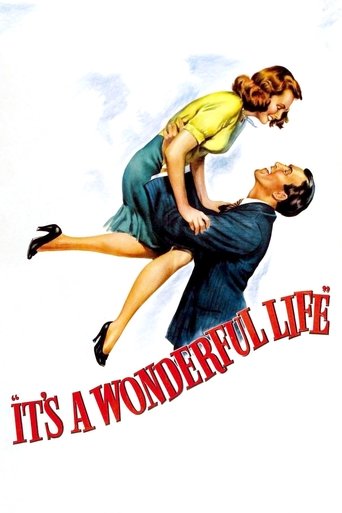
Frank Faylen appears in It's a Wonderful Life (1946), The Lost Weekend (1945), White Heat (1949) in this catalog. He began his entertainment career in vaudeville as a teenager before transitioning to film in the mid-1930s, quickly establishing himself as a reliable supporting player. Faylen appeared in more than 200 films, often portraying bartenders, taxi drivers, police officers, and other working-class characters with authentic, naturalistic performances. His most role came as Ernie Bishop, the friendly taxi driver in Frank Capra's 'It's a Wonderful Life' (1946), a performance that cemented his place in cinema history. He frequently collaborated with director Billy Wilder, appearing in several of his films including 'The Lost Weekend' (1945) and 'Sunset Boulevard' (1950). Faylen continued working steadily through the 1950s and early 1960s, appearing in classics like 'White Heat' (1949) and 'The Man Who Shot Liberty Valance' (1962). In his later years, he transitioned to television work before retiring from acting in the mid-1960s.
The Craft
On Screen
Naturalistic and authentic, Faylen specialized in portraying everyday working-class characters with genuine warmth and believability. He had a distinctive everyman quality that made him perfect for roles as bartenders, taxi drivers, and authority figures. His performances were characterized by a relaxed, unforced quality that brought realism to even minor roles. Faylen could seamlessly transition between comic and dramatic material, often providing grounding in ensemble casts. He had a particular talent for delivering exposition naturally and creating memorable characters with limited screen time.
Milestones
- Appeared in over 200 films during Hollywood's Golden Age
- Played Ernie Bishop in 'It's a Wonderful Life' (1946)
- Frequent collaborator with director Billy Wilder
- Memorable role as bartender in 'The Lost Weekend' (1945)
- Appeared in classic films including 'White Heat' and 'The Man Who Shot Liberty Valance'
- Successfully transitioned from vaudeville to film
- Worked steadily through the studio system era
Best Known For
Iconic Roles
Must-See Films
Accolades
Special Recognition
- Hollywood Walk of Fame star (located at 6320 Hollywood Boulevard)
Working Relationships
Worked Often With
Studios
Why They Matter
Impact on Culture
Frank Faylen's contribution to classic cinema lies in his ability to bring authenticity and humanity to supporting roles that anchored many of Hollywood's greatest films. As Ernie Bishop in 'It's a Wonderful Life', he created one of cinema's most memorable everyman characters, representing the ordinary citizens who form the backbone of community. His naturalistic acting style influenced how character actors approached working-class roles, moving away from theatrical stereotypes toward more authentic portrayals. Faylen's presence in over 200 films made him a familiar face to multiple generations of moviegoers, contributing to the Hollywood's Golden Age.
Lasting Legacy
Frank Faylen's legacy endures through his iconic performance as Ernie Bishop, a character that has become synonymous with small-town American values and community spirit. His extensive filmography shows the importance of character actors in creating believable cinematic worlds. Faylen demonstrated how supporting roles could leave lasting impressions on audiences, influencing subsequent generations of character actors. His work with legendary directors like Capra and Wilder places him among the most reliable supporting players of Hollywood's classic era.
Who They Inspired
Faylen influenced character actors by showing the power of subtlety and authenticity in supporting roles. His natural approach to everyday characters helped move Hollywood away from exaggerated characterizations toward more realistic performances. His ability to be both memorable and unobtrusive set a standard for character actors in ensemble pieces. Contemporary actors studying classic cinema often cite Faylen as an example of how to make the most of limited screen time while creating lasting impact.
Off Screen
Frank Faylen married actress Carol Hughes in 1936, and their marriage lasted until his death in 1985, spanning nearly five decades. Hughes was also an accomplished actress who appeared in numerous films including the Flash Gordon serials. The couple had two daughters together and maintained a relatively private personal life away from the Hollywood spotlight. Faylen was known among his colleagues as a dependable professional who brought authenticity to every role he undertook.
Education
Limited information available about his formal education; he began performing in vaudeville as a teenager
Family
- Carol Hughes (1936-1985)
Did You Know?
- Began his career in vaudeville as a teenager
- His real name was Francis Rufus Faylen
- Appeared in over 200 films during his 30-year career
- His role as Ernie Bishop in 'It's a Wonderful Life' was one of his few credited leading roles
- Was a favorite of director Billy Wilder, appearing in multiple films
- His distinctive voice and demeanor made him perfect for radio work as well
- Worked steadily through the transition from silent films to talkies
- Often played bartenders, taxi drivers, and other working-class characters
- His character Ernie Bishop's taxi appears in both the opening and closing scenes of 'It's a Wonderful Life'
- Retired from acting in the mid-1960s after a successful television career
In Their Own Words
As Ernie Bishop: 'That's a good man. Everybody knows me.'
As Ernie Bishop: 'I'm shakin' the dust of this crummy little town off my feet and I'm gonna see the world.'
Information about other famous quotes from the actor himself is limited
Frequently Asked Questions
Who was Frank Faylen?
Screen credits include over 200 films during Hollywood's Golden Age, best known for his role as Ernie Bishop the taxi driver in 'It's a Wonderful Life' (1946). He specialized in playing working-class characters with authentic, naturalistic performances and worked with legendary directors like Frank Capra and Billy Wilder.
What films is Frank Faylen best known for?
Titles linked here include It's a Wonderful Life (1946), The Lost Weekend (1945).
When was Frank Faylen born and when did he die?
Born December 8, 1905; died August 2, 1985.
What awards did Frank Faylen win?
While Frank Faylen did not receive major acting awards or Oscar nominations during his career, he was honored with a star on the Hollywood Walk of Fame located at 6320 Hollywood Boulevard. His legacy lies in his memorable character performances rather than formal accolades.
What was Frank Faylen's acting style?
Frank Faylen was known for his naturalistic, authentic acting style that brought realism to working-class characters. He specialized in playing bartenders, taxi drivers, and other everyday people with a relaxed, unforced quality. His ability to seamlessly transition between comic and dramatic material made him a valuable supporting player in Hollywood's Golden Age.
How did Frank Faylen begin his career?
Frank Faylen began his entertainment career in vaudeville as a teenager before transitioning to film in the mid-1930s. His early experience in live performance helped develop his natural acting style and ability to connect with audiences, which served him well in his subsequent film career.