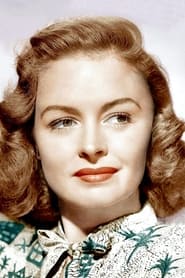
Donna Reed
Actor
Born: January 27, 1921 in Denison, Iowa, USA Died: January 14, 1986 Active: 1941-1985 Birth Name: Donna Belle Mullenger
Films
2 films
About Donna Reed
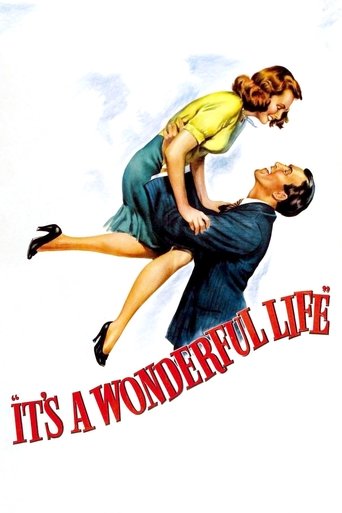
Donna Reed was one of Hollywood's most beloved actresses during the Golden Age, known for her wholesome yet versatile performances. Born Donna Belle Mullenger in Iowa, she began her career after being discovered while attending Los Angeles City College. Reed signed with MGM in 1941 and quickly rose through the ranks, transitioning from bit parts to leading roles. Her breakthrough came with Frank Capra's 'It's a Wonderful Life' (1946), where she portrayed Mary Bailey opposite James Stewart, creating one of cinema's most female characters. Reed won an Academy Award for Best Supporting Actress for her role as Alma 'Lorene' Burke in 'From Here to Eternity' (1953), demonstrating her range beyond the girl-next-door image. In the 1950s and 1960s, she successfully transitioned to television with 'The Donna Reed Show,' which ran for eight seasons and became a cultural touchstone of American family values. Later in life, she became politically active, running for Congress and advocating for various social causes.
The Craft
On Screen
Donna Reed was renowned for her natural, authentic acting style that brought warmth and relatability to her characters. She specialized in portraying strong, intelligent women who embodied American ideals of decency and resilience. Her technique was rooted in emotional honesty rather than theatricality, allowing her to seamlessly transition between comedic and dramatic roles. Reed's performances were characterized by her expressive eyes and subtle facial expressions, which conveyed deep emotion without melodrama. She had a unique ability to make even the most idealized characters feel genuinely human and accessible to audiences.
Milestones
- Signed with MGM in 1941
- Starred in 'It's a Wonderful Life' (1946)
- Won Academy Award for 'From Here to Eternity' (1953)
- Began 'The Donna Reed Show' (1958)
- Received Golden Globe for TV performance (1963)
- Ran for U.S. Congress (1968)
Best Known For
Iconic Roles
Must-See Films
Accolades
Won
- Academy Award for Best Supporting Actress (1953) - From Here to Eternity
- Golden Globe Award for Best TV Star - Female (1963)
- TV Land Award for Favorite Classic TV Mom (2004, posthumous)
Nominated
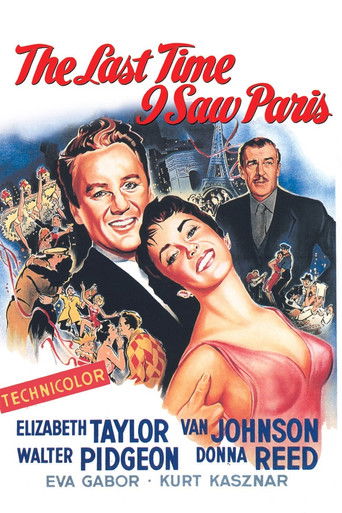
- Golden Globe nomination for Best Supporting Actress (1954) - The Last Time I Saw Paris
- Emmy nomination for Outstanding Lead Actress in a Drama Series (1963) - The Donna Reed Show
Special Recognition
- Hollywood Walk of Fame star (1960)
- Iowa Women's Hall of Fame (1995, posthumous)
- Iowa Aviation Hall of Fame (1999, posthumous)
Working Relationships
Worked Often With
Studios
Why They Matter
Impact on Culture
Donna Reed's impact on American culture extends far beyond her film performances. As Mary Bailey in 'It's a Wonderful Life,' she created an enduring archetype of the American wife and mother that influenced generations of television and film characters. Her portrayal of Alma in 'From Here to Eternity' challenged and expanded the boundaries of what was acceptable for female characters in 1950s cinema, particularly in its handling of sexuality and moral complexity. 'The Donna Reed Show' helped define the idealized American family during a period of significant social change, while simultaneously addressing contemporary issues like women's independence and teenage rebellion. Reed's transition from film star to television pioneer demonstrated the evolving nature of celebrity in mid-20th century America.
Lasting Legacy
Donna Reed's legacy is that of a versatile performer who successfully navigated the changing landscape of American entertainment. She bridged the gap between Hollywood's Golden Age and the television era, maintaining relevance across multiple decades and media formats. Her Academy Award-winning performance proved she could handle complex, morally ambiguous roles, while her television success cemented her status as a household name. The Donna Reed Foundation for the Performing Arts, established after her death, continues to support young artists in Iowa, ensuring her influence extends to future generations. Reed remains an icon of American femininity, representing both traditional values and the strength and intelligence that defined the women of her generation.
Who They Inspired
Donna Reed influenced countless actresses who followed, particularly those seeking to balance commercial success with artistic integrity. Her ability to portray both idealized and complex characters paved the way for actresses like Mary Tyler Moore and Barbara Eden, who similarly navigated between film and television. Reed's naturalistic acting style influenced the movement away from theatrical performances toward more authentic screen acting. Her successful transition to television production through her own show demonstrated that actors could take creative control of their careers, inspiring later stars to become producers and entrepreneurs. The wholesome yet strong characters she portrayed helped shape American cultural expectations of femininity during the mid-20th century.
Off Screen
Donna Reed was married twice and had four children. Her first marriage to producer Tony Owen lasted from 1945 to 1971, during which they adopted two children and had two biological children. After their divorce, she married retired Army Colonel Grover Asmus in 1974, remaining with him until her death. Reed was known for her strong family values both on and off screen, though her personal life was more complex than her public image suggested. She was actively involved in charitable work and supported various political causes, particularly those related to education and women's rights.
Education
Denison High School (graduated 1938), Los Angeles City College (attended briefly before being discovered)
Family
- Tony Owen (1945-1971)
- Grover Asmus (1974-1986)
Did You Know?
- Originally discovered when her brother sent her photograph to a beauty contest
- Changed her name from Donna Belle Mullenger to Donna Reed at MGM's suggestion
- Turned down the role of Marion in 'Rear Window' (1954)
- Her character in 'It's a Wonderful Life' was originally written as a cynical character
- She was a licensed pilot and flew her own plane
- The Donna Reed Show was the first TV series to show a married couple sleeping in the same bed
- She was a Republican and ran for Congress in California's 24th district in 1968
- Her role in 'From Here to Eternity' was initially offered to Joan Crawford
- She was paid $50,000 for 'It's a Wonderful Life', a significant sum at the time
- The Donna Reed Foundation awards over $40,000 annually to young performers
In Their Own Words
'Every time a bell rings, an angel gets his wings' - as Mary Bailey in It's a Wonderful Life
'I don't know what to do, George. I just don't know what to do' - emotional scene in It's a Wonderful Life
'You're not a failure, George. You're the richest man in town' - from It's a Wonderful Life
'I'm glad I'm me. I'm glad I'm a woman' - personal philosophy shared in interviews
'Television is a medium because it is neither rare nor well done' - humorous take on TV industry
Frequently Asked Questions
Who was Donna Reed?
Acclaimed American actress during Hollywood's Golden Age, best known for her roles in 'It's a Wonderful Life' and 'From Here to Eternity.' She won an Academy Award and later starred in her own successful television series, 'The Donna Reed Show,' becoming a beloved icon of American family values.
What films is Donna Reed best known for?
Titles linked here include It's a Wonderful Life (1946), From Here to Eternity (1953).
When was Donna Reed born and when did she die?
Born January 27, 1921; died January 14, 1986.
What awards did Donna Reed win?
Donna Reed won the Academy Award for Best Supporting Actress for 'From Here to Eternity' in 1953. She also received a Golden Globe Award for her television work and has a star on the Hollywood Walk of Fame. Posthumously, she was inducted into the Iowa Women's Hall of Fame.
What was Donna Reed's acting style?
Donna Reed was known for her natural, authentic acting style that brought warmth and relatability to her characters. She specialized in portraying strong, intelligent women with emotional honesty rather than theatricality, excelling in both dramatic and comedic roles while maintaining an everywoman appeal.