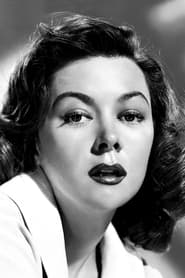
Gloria Grahame
Actor
Born: November 28, 1923 in Los Angeles, California, USA Died: October 5, 1981 Active: 1944-1981 Birth Name: Gloria Grahame Hallward
Films
1 film
About Gloria Grahame
Distinctive American actress: three decades, becoming one of Hollywood's most memorable film noir femmes fatales. Born in Los Angeles, she began her career on Broadway before being discovered by MGM studio head Louis B. Mayer in 1944. Her breakthrough came with the controversial film noir 'Crossfire' (1947), which earned her first Academy Award nomination and established her as a serious dramatic actress. Throughout the late 1940s and 1950s, Grahame specialized in playing complex, often troubled women in films like 'In a Lonely Place' (1950), 'The Big Heat' (1953), and 'Human Desire' (1954). She won the Academy Award for Best Supporting Actress for her role as a Southern belle in 'The Bad and the Beautiful' (1952), cementing her status as a leading character actress. Despite her success, her career was hampered by personal scandals and a reputation for being difficult on set, leading to her transition to television and stage work in later years. She made a notable comeback in the 1970s with independent films, including her final performance in 'Nashville' (1975), before her death from breast cancer in 1981 at age 57.
The Craft
On Screen
Grahame was known for her distinctive breathy voice, sultry demeanor, and ability to portray complex, emotionally vulnerable women with underlying strength. Her acting style combined elements of Method intensity with classic Hollywood glamour, particularly excelling in film noir where she could showcase her talent for playing morally ambiguous characters. She had a unique way of delivering lines that suggested both innocence and world-weariness, often using subtle facial expressions and body language to convey her characters' inner conflicts. Her performances were marked by a certain nervous energy and unpredictability that made her particularly effective in roles requiring psychological depth.
Milestones
- Broadway debut in 'The Man Who Came to Dinner' (1942)
- Film debut in 'Blonde Fever' (1944)
- Academy Award nomination for 'Crossfire' (1947)
- Academy Award win for 'The Bad and the Beautiful' (1952)
- Iconic performance in 'In a Lonely Place' (1950)
- Memorable role in 'The Big Heat' (1953)
- Stage comeback in 'The Glass Menagerie' (1960s)
- Final film role in 'Nashville' (1975)
Best Known For
Iconic Roles
Must-See Films
Accolades
Won
- Academy Award for Best Supporting Actress - The Bad and the Beautiful (1952)
- New York Film Critics Circle Award for Best Actress - In a Lonely Place (1950)
- National Board of Review Award for Best Supporting Actress - Crossfire (1947)
Nominated
- Academy Award nomination for Best Supporting Actress - Crossfire (1947)
- Academy Award nomination for Best Supporting Actress - The Big Heat (1953)
- Golden Globe nomination for Best Supporting Actress - The Bad and the Beautiful (1953)
Special Recognition
- Hollywood Walk of Fame Star (6522 Hollywood Blvd)
- Inducted into the Film Noir Hall of Fame
- Featured in TCM's Summer Under the Stars festival (multiple years)
Working Relationships
Worked Often With
Studios
Why They Matter
Impact on Culture
Gloria Grahame left an indelible mark on cinema, particularly in the film noir genre where she helped define the archetype of the femme fatale. Her distinctive style and memorable performances influenced generations of actresses who followed, particularly in how to portray complex female characters who were both vulnerable and dangerous. Her work in films like 'In a Lonely Place' and 'The Big Heat' became reference points for understanding post-war American anxieties about gender roles and sexuality. Grahame's ability to convey emotional depth beneath a glamorous exterior helped expand the possibilities for women in Hollywood cinema, moving beyond simple love interests to fully realized characters with psychological complexity.
Lasting Legacy
Gloria Grahame's legacy endures through her iconic performances that continue to be studied by film scholars and admired by cinema enthusiasts. She is remembered as. Her life story has been the subject of books and documentaries, most notably the 2017 film 'Film Stars Don't Die in Liverpool,' which dramatized her final years and relationship with a younger man. Grahame's influence can be seen in the work of contemporary actresses who draw inspiration from her unique blend of vulnerability and strength, and her films remain essential viewing for anyone interested in classic American cinema.
Who They Inspired
Grahame influenced subsequent generations of actresses through her groundbreaking portrayals of complex female characters. Her distinctive acting style, particularly her breathy voice delivery and ability to convey conflicting emotions simultaneously, has been emulated by performers in both film and television. Directors like Martin Scorsese and Quentin Tarantino have cited her work as inspiration for their own femme fatale characters. Her approach to playing morally ambiguous women helped pave the way for more nuanced female roles in American cinema, moving beyond the simple Madonna-whore dichotomy that had previously limited actresses' opportunities for complex characterization.
Off Screen
Gloria Grahame's personal life was as dramatic as her film roles, marked by four marriages and numerous high-profile relationships. Her marriage to director Nicholas Ray ended in scandal when she was discovered having an affair with Ray's 13-year-old son Anthony (whom she later married). She had four children: Timothy, Marianna, and Anthony with Ray, and James with her fourth husband. Grahame struggled with financial difficulties in her later years and battled breast cancer, which ultimately claimed her life. Despite her turbulent personal life, she maintained a close relationship with her children and continued working almost until her death.
Education
Attended Hollywood High School, studied at the Actors Laboratory in Hollywood, trained with acting coach Michael Chekhov
Family
- Stanley Clements (1945-1948)
- Nicholas Ray (1948-1952)
- Cy Howard (1954-1957)
- Anthony Ray (1960-1974)
Did You Know?
- Made her film debut in an uncredited role as a cigarette girl in 'Blonde Fever' (1944)
- Her distinctive voice was the result of a partially paralyzed vocal cord
- She was originally cast as Ado Annie in the Broadway production of 'Oklahoma!' but was replaced before opening
- Her marriage to her stepson Anthony Ray (Nicholas Ray's son) caused a major Hollywood scandal
- She appeared in over 50 films during her career
- Was a talented singer and performed in several musical films
- Her final performance was in Robert Altman's 'Nashville' (1975)
- Was nominated for three Academy Awards but won only once
- Had a reputation for being difficult on set, which some believe hurt her career
- Was a close friend of Marilyn Monroe early in their careers
- Appeared on numerous television shows in the 1960s and 1970s
- Her mother was actress Jean Grahame
- Changed her professional name from Hallward to Grahame early in her career
In Their Own Words
I'm not a Hollywood star. I'm an actress.
I've always been a character actress, even when I played leads.
I don't think I was ever a sex symbol. I was too odd, too different.
Acting is not about being someone different. It's finding the similarity in what is apparently different, then finding myself in there.
I never wanted to be a star. I wanted to be an actress.
Frequently Asked Questions
Who was Gloria Grahame?
Distinctive American actress known for her roles in film noir during Hollywood's golden age. She won an Academy Award for Best Supporting Actress for 'The Bad and the Beautiful' (1952) and was particularly famous for her femme fatale roles in films like 'In a Lonely Place' and 'The Big Heat'.
What films is Gloria Grahame best known for?
Titles linked here include Crossfire (1947), In a Lonely Place (1950).
When was Gloria Grahame born and when did she die?
Born November 28, 1923; died October 5, 1981.
What awards did Gloria Grahame win?
Gloria Grahame won the Academy Award for Best Supporting Actress for 'The Bad and the Beautiful' (1952) and received two additional Oscar nominations for 'Crossfire' (1947) and 'The Big Heat' (1953). She also won a New York Film Critics Circle Award for 'In a Lonely Place' (1950).
What was Gloria Grahame's acting style?
Grahame was known for her distinctive breathy voice, nervous energy, and ability to portray complex, emotionally vulnerable characters. She excelled at playing morally ambiguous women in film noir, combining glamour with psychological depth and creating memorable femme fatale characters.
Was Gloria Grahame married to her stepson?
Yes, in one of Hollywood's most controversial relationships, Grahame married Anthony Ray, who was her stepson during her marriage to director Nicholas Ray. They married in 1960 when Anthony was in his 20s and remained together until 1974.
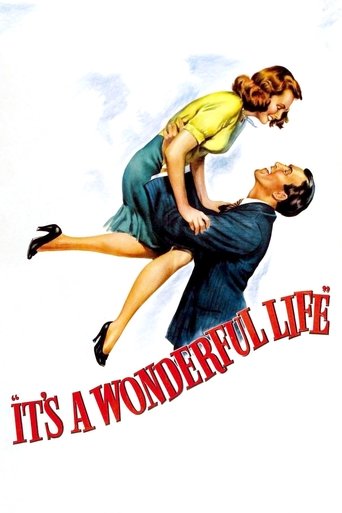
Did Gloria Grahame appear in 'It's a Wonderful Life'?
No, Gloria Grahame did not have a significant role in 'It's a Wonderful Life' (1946). Donna Reed played Mary Hatch in that film. Grahame was active during that period but her breakthrough role came the following year in 'Crossfire'.