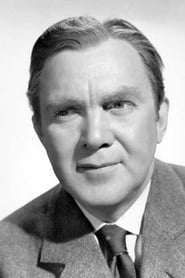
Thomas Mitchell
Actor
Born: July 11, 1892 in Elizabeth, New Jersey, USA Died: December 13, 1962 Active: 1923-1962 Birth Name: Thomas John Mitchell
Films
5 films
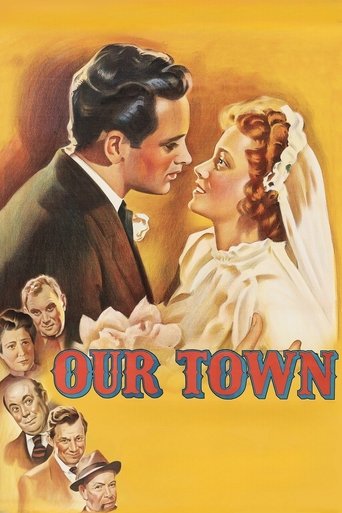
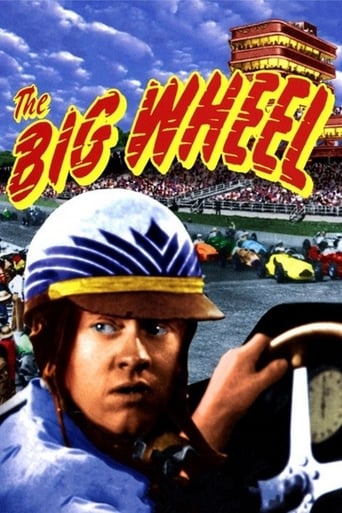
About Thomas Mitchell
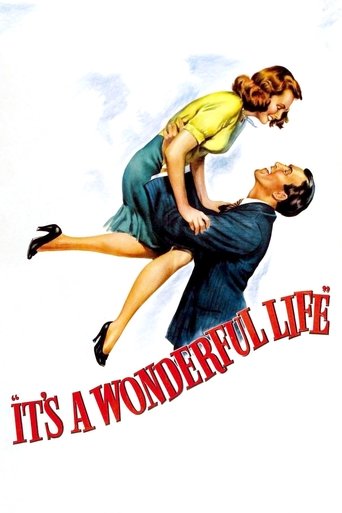
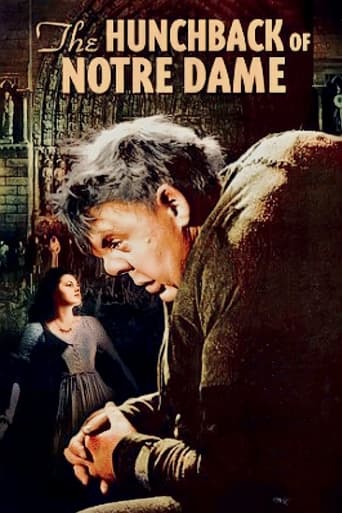
Thomas Mitchell was one of Hollywood's most versatile and beloved character actors during the Golden Age of cinema, known for his ability to seamlessly transition between comedic and dramatic roles. Born in 1892, he began his career as a newspaper reporter and playwright before transitioning to acting on Broadway in the 1920s. His breakthrough in film came with his collaboration with director John Ford, particularly in 'Stagecoach' (1939), which earned him an Academy Award for Best Supporting Actor. Throughout the 1930s and 1940s, Mitchell became recognizable faces in American cinema, appearing in over 100 films including classics like 'Gone with the Wind,' 'It's a Wonderful Life,' and 'The Hunchback of Notre Dame.' His portrayal of the drunken doctor in 'Stagecoach' and the worried Uncle Billy in 'It's a Wonderful Life' showcased his remarkable range and emotional depth. Mitchell continued working prolifically through the 1950s, appearing in both films and television, while also maintaining his stage career. He passed away in 1962, leaving behind a legacy as one of cinema's most reliable and talented character actors.
The Craft
On Screen
Thomas Mitchell was known for his naturalistic and emotionally authentic acting style, bringing depth and humanity to every character he portrayed. He had a remarkable ability to switch seamlessly between comedy and drama, often playing ordinary men caught in extraordinary circumstances. His performances were characterized by a warm, approachable quality that made audiences immediately connect with his characters, whether he was playing a drunken doctor, a worried family man, or a wise mentor. Mitchell's technique involved careful observation of real people and their mannerisms, which he incorporated into his roles to create believable and relatable characters.
Milestones
- Academy Award for Best Supporting Actor for 'Stagecoach' (1939)
- Stage debut in 'The Little Spitfire' (1926)
- Breakthrough film role in 'The Hurricane' (1937)
- Memorable performance as Uncle Billy in 'It's a Wonderful Life' (1946)
- Tony Award for 'The Music Man' (1958)
- Star on Hollywood Walk of Fame
Best Known For
Iconic Roles
Must-See Films
Accolades
Won
- Academy Award for Best Supporting Actor for 'Stagecoach' (1939)
- Tony Award for Best Featured Actor in a Musical for 'The Music Man' (1958)
Nominated
- Academy Award nomination for Best Supporting Actor for 'The Hurricane' (1937)
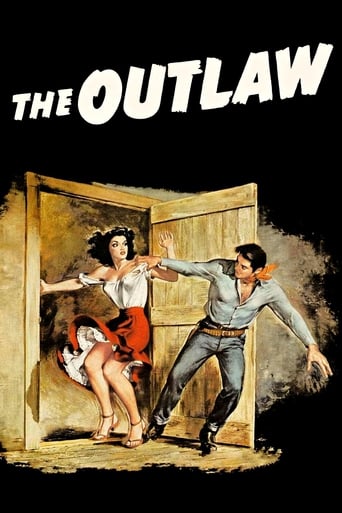
- Academy Award nomination for Best Supporting Actor for 'The Outlaw' (1943)
- Golden Globe nomination for Best Supporting Actor for 'High Noon' (1952)
Special Recognition
- Star on Hollywood Walk of Fame (1708 Vine Street)
- Inducted into the American Theatre Hall of Fame
- New York Film Critics Circle Award for Best Actor for 'The Story of Vernon and Irene Castle' (1939)
Working Relationships
Worked Often With
Studios
Why They Matter
Impact on Culture
Thomas Mitchell's impact on American cinema was profound, particularly in establishing the importance of character actors in supporting the narrative structure of Golden Age films. His ability to create fully realized, three-dimensional characters in relatively brief screen time set a new standard for supporting performances in Hollywood. Mitchell's work helped elevate the status of character actors from mere background players to essential components of cinematic storytelling, influencing how studios and directors approached casting for supporting roles. His naturalistic acting style, which avoided the theatrical excesses common in early sound films, contributed to the development of more realistic screen acting that would become the norm in American cinema.
Lasting Legacy
Thomas Mitchell's legacy endures through his extensive body of work that includes some of the most beloved films in American cinema history. As one of the few actors to win both an Academy Award and a Tony Award, he demonstrated exceptional versatility across different media. His performances continue to be studied by actors and film scholars for their authenticity and emotional depth. Mitchell's influence can be seen in the careers of subsequent character actors who followed his example of bringing dignity and complexity to supporting roles. His characters, particularly Uncle Billy in 'It's a Wonderful Life,' have become cultural touchstones that resonate with audiences decades after their creation.
Who They Inspired
Mitchell influenced generations of character actors by demonstrating that supporting roles could be just as memorable and artistically fulfilling as leading parts. His naturalistic approach to acting helped move Hollywood away from the exaggerated theatrical style of early sound films toward more realistic performances. Many actors who followed, including Walter Brennan and Charles Coburn, built upon Mitchell's template for creating distinctive, memorable character performances. His ability to balance humor and pathos in the same role became a model for character actors throughout the Golden Age and beyond.
Off Screen
Thomas Mitchell married Rachel Wesson in 1931, and they remained together until his death in 1962. The couple had two children, Thomas Jr. And Anne. Mitchell was known for his down-to-earth personality and maintained strong ties to his theatrical roots throughout his film career. He was an avid reader and continued writing plays and screenplays even at the height of his acting fame. Despite his success in Hollywood, Mitchell never lost his connection to the stage and frequently returned to Broadway between film projects.
Education
St. Patrick's High School, Elizabeth, New Jersey; attended Fordham University but did not graduate
Family
- Rachel Wesson (1931-1962)
Did You Know?
- One of only nine actors to win both an Academy Award and a Tony Award
- Appeared in five films that were nominated for the Academy Award for Best Picture
- His role as Uncle Billy in 'It's a Wonderful Life' was his personal favorite
- Originally trained as a newspaper reporter before turning to acting
- Wrote several plays that were produced on Broadway
- Was a close friend of director John Ford and appeared in seven of his films
- Despite his Irish-sounding name and frequent Irish roles, he was of Irish and Lebanese descent
- Lost the tip of his right index finger in an accident as a child
- Was considered for the role of the Wizard in 'The Wizard of Oz' before Frank Morgan was cast
- His final film appearance was in 'The Man Who Shot Liberty Valance' (1962), released after his death
In Their Own Words
I'm an actor. I'm not a star. Stars are people who live in Hollywood and have heart-shaped swimming pools. I'm just a working stiff.
The best actors are the ones who make you forget they're acting.
Every character I play has a piece of me in him, but I'm not any of them completely.
I've always believed that the small parts are just as important as the leads. Without them, the story doesn't work.
Frequently Asked Questions
Who was Thomas Mitchell?
Highly respected American character with credits in this catalog. He won an Academy Award for Best Supporting Actor for 'Stagecoach' (1939) and appeared in over 100 films, including classics like 'It's a Wonderful Life' and 'Gone with the Wind.'
What films is Thomas Mitchell best known for?
Titles linked here include Stagecoach (1939), It's a Wonderful Life (1946).
When was Thomas Mitchell born and when did he die?
Born July 11, 1892; died December 13, 1962.
What awards did Thomas Mitchell win?
Thomas Mitchell won the Academy Award for Best Supporting Actor for his role in 'Stagecoach' (1939) and later won a Tony Award for Best Featured Actor in a Musical for 'The Music Man' (1958). He was also nominated for two additional Academy Awards and received a star on the Hollywood Walk of Fame.
What was Thomas Mitchell's acting style?
Thomas Mitchell was known for his naturalistic and emotionally authentic acting style, bringing depth and humanity to every character. He excelled at playing ordinary men in extraordinary circumstances, seamlessly transitioning between comedy and drama while maintaining a warm, approachable quality that resonated with audiences.
Did Thomas Mitchell work with any famous directors?
Yes, Thomas Mitchell frequently collaborated with legendary director John Ford, appearing in seven of his films including 'Stagecoach' and 'The Man Who Shot Liberty Valance.' He also worked with Frank Capra on 'It's a Wonderful Life' and William Dieterle on 'The Hunchback of Notre Dame.'
Was Thomas Mitchell married and did he have children?
Thomas Mitchell married Rachel Wesson in 1931, and they remained together until his death in 1962. The couple had two children, a son named Thomas Mitchell Jr. And a daughter named Anne.