
Frank Opperman
Actor
Born: 1859 in New York City, New York, USA Died: April 25, 1934 Active: 1910-1915
Films
17 films
Tango Tangles
1914
His Favorite Pastime
1914
Fatty's Magic Pants
1914
The Battle at Elderbush Gulch
1913
Iola's Promise
1912
The Unchanging Sea
1910
A Flirt's Mistake
1914
The Little Teacher
1915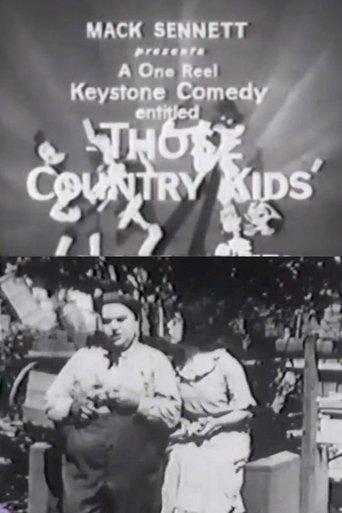
Those Country Kids
1914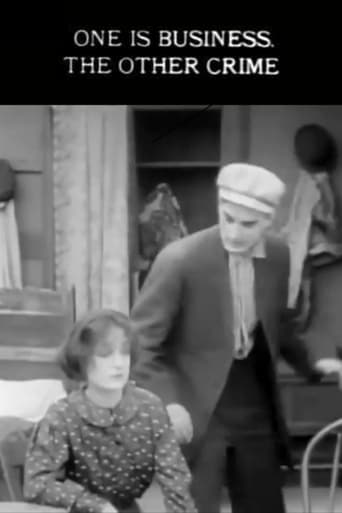
One Is Business, the Other Crime
1912
The Massacre
1912
The Yaqui Cur
1913
Unexpected Help
1910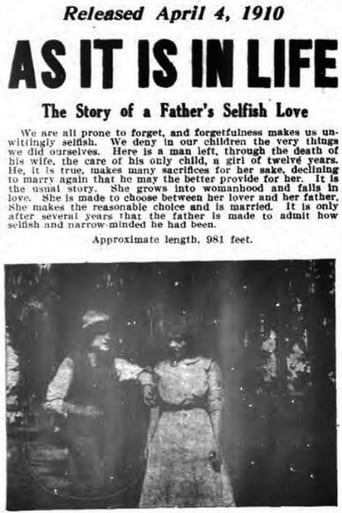
As It Is in Life
1910
Broken Ways
1913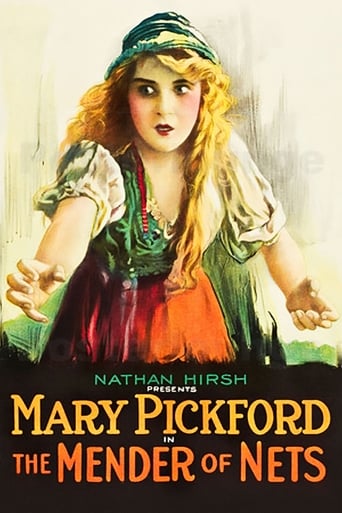
The Mender of Nets
1912About Frank Opperman
American actor who emerged during the formative years of American cinema, appearing in numerous silent films between 1910 and 1915. His career coincided with the transition from short subjects to feature-length films and the establishment of Hollywood as the center of American film production. Opperman worked extensively with D.W. Griffith's Biograph Studio, appearing in several of the director's early masterpieces that helped define cinematic language. His performances in films like 'The Massacre' (1912) and 'The Unchanging Sea' (1910) demonstrated his versatility in both dramatic and character roles during an era when acting techniques were still being developed for the camera. Like many actors of his generation, Opperman's career was cut short by the evolving industry and the transition to more sophisticated filmmaking techniques in the mid-1910s. His filmography, though brief, represents an important contribution to early American cinema and the development of narrative film as an art form.
The Craft
On Screen
Opperman's acting style was characteristic of the early silent era, featuring exaggerated gestures and facial expressions to convey emotion to audiences without dialogue. His performances demonstrated the transitional nature of acting from stage to screen, incorporating theatrical techniques while adapting to the intimate nature of film. In dramatic roles, he employed broad physical movements and intense facial expressions that were visible to audiences in large theaters. His character work showed versatility in portraying both sympathetic figures and antagonists within the limited running times of early films.
Milestones
- Appeared in D.W. Griffith's 'The Massacre' (1912)
- Starred in 'Ramona' (1910) directed by D.W. Griffith
- Worked with Biograph Studio during its golden age
- Appeared in 'The Unchanging Sea' (1910)
- Featured in 'One Is Business, the Other Crime' (1912)
Best Known For
Iconic Roles
Must-See Films
Working Relationships
Worked Often With
Studios
Why They Matter
Impact on Culture
Frank Opperman contributed to the foundational development of American narrative cinema during its most experimental period. His work with D.W. Griffith at Biograph Studio helped establish many of the storytelling techniques that would become standard in Hollywood cinema. As one of the older actors in early film, he brought theatrical gravitas to the new medium, helping bridge the gap between stage acting and screen performance. His appearances in films that dealt with social issues and historical events, such as 'The Massacre,' contributed to cinema's emergence as a serious art form capable of addressing complex themes.
Lasting Legacy
Frank Opperman's legacy lies in his contribution to the establishment of American cinema during its infancy. While not as well-remembered as some of his contemporaries, his body of work represents an important chapter in film history. His performances in early Biograph films serve as valuable documentation of acting techniques during the transition from stage to screen. As part of D.W. Griffith's stock company, he participated in the creation of films that would influence generations of filmmakers and help establish Hollywood as the global center of cinema.
Who They Inspired
As an early film actor, Opperman's influence was primarily through his participation in groundbreaking films that established cinematic conventions. His work with D.W. Griffith contributed to the development of film language and narrative techniques that would become standard in the industry. While he did not mentor future stars directly, his performances in early films served as examples for subsequent generations of actors entering the emerging film industry.
Off Screen
Frank Opperman was born in 1859 in New York City, making him a mature actor when he entered the film industry at age 51. His late entry into films was not uncommon for early cinema, which often recruited experienced stage actors. He spent his final years in Los Angeles, California, where he passed away on April 25, 1934, at the age of 75. His death occurred during the transition from silent films to sound, marking the end of an era he had helped establish.
Did You Know?
- Began his film career at age 51, unusually old for an actor starting in movies
- Appeared in over 30 films during his brief 5-year career
- Worked exclusively with the Biograph Studio during his film career
- Many of his films were shot on location in California and New York
- His career ended before the feature film became the standard format
- Participated in early cinema's transition from short subjects to longer narratives
- Worked during the period when film actors were not credited by name
- His film 'The Massacre' was one of the earliest films to depict Native American perspectives
- Appeared in films that helped establish D.W. Griffith's reputation as a major director
- His active years covered the crucial period when American cinema was establishing its identity
Frequently Asked Questions
Who was Frank Opperman?
American silent film with credits in this catalog.W. Griffith's Biograph Studio from 1910 to 1915. He appeared in numerous early films that helped establish American cinema, including 'Ramona' (1910) and 'The Massacre' (1912).
What films is Frank Opperman best known for?
Titles linked here include Ramona (1910), The Massacre (1912).
When was Frank Opperman born and when did he die?
Born 1859; died April 25, 1934.
What awards did Frank Opperman win?
Frank Opperman did not receive any major awards during his career, as he worked during the very early period of American cinema before the establishment of formal award systems like the Academy Awards.
What was Frank Opperman's acting style?
Opperman's acting style was typical of the early silent era, featuring exaggerated gestures and facial expressions to convey emotion without dialogue. His technique represented the transition from theatrical stage acting to the more intimate style required for film performance.