
Iola's Promise
"Rescued Iola, divided loyalties"
Keys: Space play/pause · ←/→ 10s · F fullscreen · M mute · </> speed
About this film
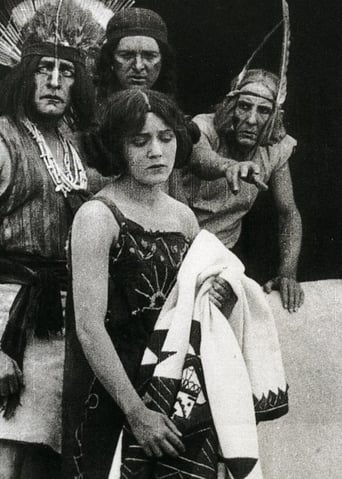
Prospector Jack Harper rescues captive Iola and earns her trust, but his Eastern sweetheart tests divided loyalties. A 1912 Western triangle with Native American captivity tropes.
Cast & crew
More films like this

More Romance films
View all →





More from D.W. Griffith
View all →
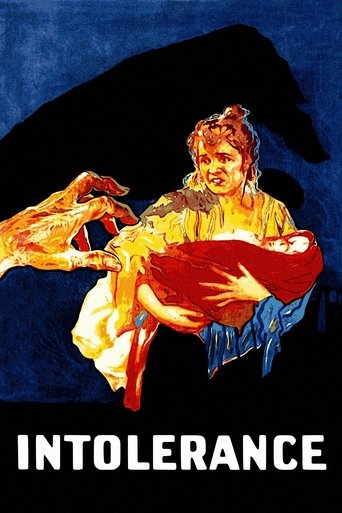
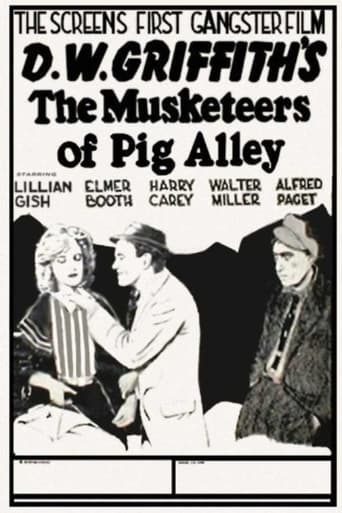
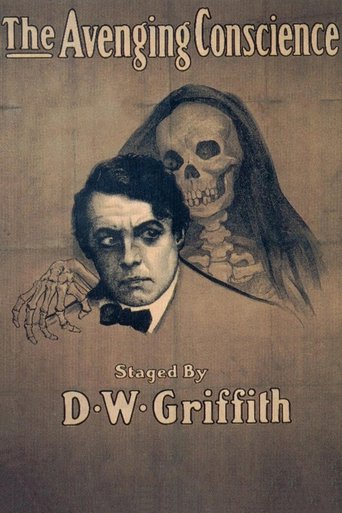
More about this film
About the production
Release dateFebruary 22, 1912
Box officeUnknown (Biograph films were rented to theaters rather than sold with box office tracking)
ProductionBiograph Company
Filmed inCalifornia, Los Angeles area, Ranch locations in the San Fernando Valley
Filmed during Griffith's prolific period at Biograph where he directed dozens of short films annually. The production utilized authentic-looking Native American costumes and props typical of the era. The wagon train scenes were likely filmed on location using actual covered wagons. The cross-your-heart gesture became a central visual motif that Griffith used to bridge cultural understanding between characters.
Themes
Cultural understandingSacrifice and gratitudeRacial harmonyLoyaltyFrontier mythology
Themes & topics
Historical background
Archival records place Iola's Promise in 1912, a year when the nickelodeon era shaped what theaters booked.
Why this film matters
Retrospectives include Iola's Promise when mapping craft and subject matter from the nickelodeon era.
Making of
The film was made during D.W. Griffith's incredibly productive period at Biograph Studios, where he was essentially creating the language of cinema through experimentation with cross-cutting, camera movement, and narrative structure. Mary Pickford, who would later co-found United Artists and become especially powerful women in Hollywood, was still developing her screen persona. The production would have been remarkably efficient by modern standards, with Griffith often shooting multiple films simultaneously using the same locations and crew members. The Native American themes, while problematic by today's standards, were part of Griffith's broader interest in exploring American identity and cultural conflicts through cinema. The film's emotional climax, involving Iola's sacrifice, demonstrates Griffith's early mastery of melodramatic storytelling techniques that would become his trademark.
What critics said
Critics revisiting Iola's Promise emphasize performative and technical choices visible in surviving prints.
Did you know?
- This was one of over 150 short films D.W. Griffith directed in 1912 alone during his Biograph period
- Mary Pickford, though already a rising star, was still working in short films before becoming one of the highest-paid actresses in Hollywood
- The film was released just months before Griffith would begin work on his controversial but technically groundbreaking feature 'The Birth of a Nation'
- The 'cross your heart' misunderstanding was a clever narrative device that Griffith used to explore cultural differences in a way audiences of 1912 could understand
- Alfred Paget was a British actor who frequently appeared in Griffith's Biograph films before returning to England in 1913
- The film represents an early example of Griffith's interest in racial themes, though through the problematic lens of early 20th century stereotypes
- Like many Biograph films of this era, it was likely shot in just one or two days
- The wagon train sequences may have utilized the same locations and props Griffith used in other Western-themed Biograph shorts
- the release was part of Biograph's strategy to release multiple films weekly to meet the growing demand for motion pictures
- The preservation of the release is notable given that approximately 90% of American silent films have been lost
Awards & recognition
- None (Academy Awards were not established until 1929)
Visual style
The cinematography, likely handled by Billy Bitzer or G.W. Bitzer (Griffith's regular cameraman), employed the natural lighting techniques typical of Biograph productions. The film used location photography for the Western scenes, taking advantage of California's varied landscapes. The camera work was relatively static by modern standards but included some movement and varied angles that were innovative for the period. The wagon train sequences would have required careful composition to convey the scale and movement of the caravan. The visual storytelling relied on close-ups for emotional moments, particularly in scenes involving Iola's promises and sacrifices, demonstrating Griffith's pioneering use of intimate shots to convey character emotions.
Innovations
While not as technically innovative as some of Griffith's other works from this period, the film demonstrates his mastery of narrative pacing within the constraints of a single reel. The cross-cutting between different character perspectives and the use of the cross-your-heart gesture as a visual motif show Griffith's developing cinematic language. The film's efficient storytelling, conveying a complete emotional arc in approximately ten minutes, represents the technical skill required for successful one-reel productions. The location filming and coordination of wagon train sequences required logistical expertise that was becoming increasingly sophisticated in 1912.
Music
As a silent film, Iola's Promise would have been accompanied by live musical performance in theaters. The typical accompaniment would have included a piano or small orchestra playing appropriate mood music. For the Western setting, theaters likely used popular American folk tunes, classical pieces with appropriate emotional tone, and specially composed cues. The cross-your-heart scene might have featured lighter, more playful music to emphasize the cultural misunderstanding, while the sacrifice sequence would have been accompanied by dramatic, emotional music to heighten the impact. No original score survives, as was common for films of this era.
Famous quotes
Will you? Yes. Cross your heart?
Crossheart people are all right
I will help you find gold
Iola surely pays her debt of gratitude
Memorable scenes
- The moment Iola misunderstands the 'cross your heart' gesture and adopts it as a tribal symbol
- Iola's emotional promise to help Jack find gold
- The climactic sacrifice scene where Iola protects Jack's sweetheart at the cost of her own life
- The initial rescue of Iola from the cutthroats
- The discovery of gold that fulfills Iola's promise
What audiences thought
The film was well-received by audiences of 1912, who were particularly drawn to Mary Pickford's performances and Griffith's emotionally resonant storytelling. The themes of loyalty, sacrifice, and cross-cultural understanding resonated with contemporary audiences, and the film's melodramatic elements were in line with popular tastes of the silent era. Audiences would have appreciated the clear moral framework and emotional payoff, which were hallmarks of Griffith's most successful Biograph productions. The film likely performed well in the rental market, as most Biograph films of this period did, contributing to the studio's commercial success.
Film connections
Influenced by
- Contemporary dime novels about the American West
- Stage melodramas
- Earlier Biograph Western shorts
- James Fenimore Cooper's frontier narratives
This film influenced
- Later Griffith films dealing with racial themes
- Subsequent Biograph Western productions
- Early Hollywood Westerns featuring sympathetic Native American characters
Film restoration
Preserved - The film survives in the film archives and has been made available through various film preservation organizations. It is part of the collection of early American cinema preserved by institutions like the Museum of Modern Art and the Library of Congress.
Where to watch
- Available through select film archive collections
- May be included in D.W. Griffith retrospective collections
- Accessible through academic film libraries
- Potentially available on specialized streaming platforms for classic cinema
- Screenings at film museums and cinematheques specializing in early cinema