
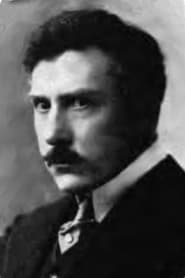
Films
5 films
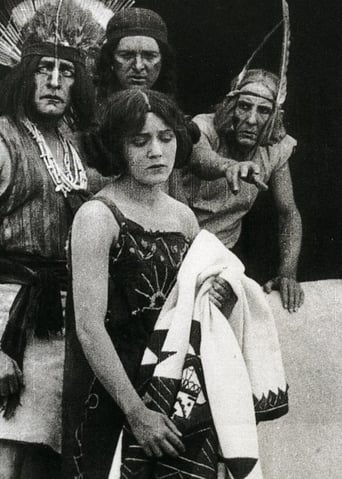
About J. Jiquel Lanoe
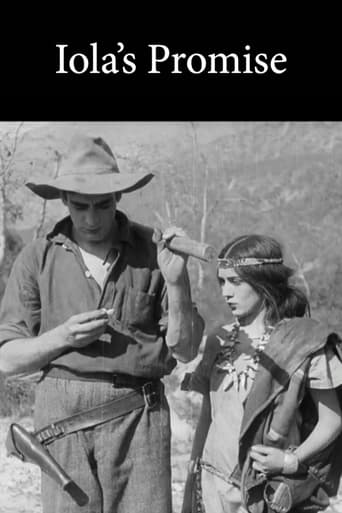
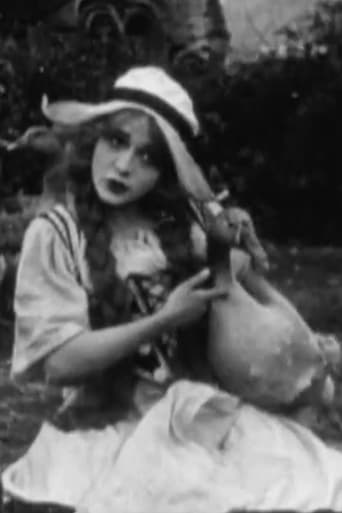
Minor actor in the early American silent film era, with a brief but notable career spanning from 1912 to 1914. His work coincided with the formative years of American cinema, appearing in multiple films during 1912 including 'Iola's Promise,' 'The Inner Circle,' 'Lena and the Geese,' and 'A Pueblo Legend.' His most significant appearance was in D.W. Griffith's landmark 1914 feature 'Judith of Bethulia,' which was one of the earliest feature-length American films and demonstrated Griffith's cinematic techniques. Like many actors of this period, Lanoe's career was relatively short-lived, possibly due to the transitional nature of the film industry during its early development. His filmography suggests he was likely a character actor or supporting player rather than a leading star, which was common for many performers in the nascent Hollywood studio system. The brevity of his career and limited surviving records make him representative of the many anonymous contributors to early cinema whose work has been largely lost to history.
The Craft
Milestones
- Appeared in D.W. Griffith's 'Judith of Bethulia' (1914)
- Multiple film appearances in 1912 during early cinema expansion
- Worked during the transitional period from short films to feature-length productions
Best Known For
Must-See Films
Working Relationships
Worked Often With
Studios
Why They Matter
Impact on Culture
J. Jiquel Lanoe represents the countless anonymous actors who contributed to the foundation of American cinema during its formative years. His appearance in D.W. Griffith's 'Judith of Bethulia' places him within the context of one of cinema's most important early productions, even if his role was minor. The fact that his name appears in surviving cast lists demonstrates the growing importance of crediting performers in early films, a practice that would become standard as the star system developed. His brief career trajectory is typical of many early film actors who worked during a period of rapid industry transformation before either leaving the business or being absorbed into the emerging studio system.
Lasting Legacy
As with many minor actors from the silent era, J. Jiquel Lanoe's legacy exists primarily through his documented film appearances rather than through any lasting impact on cinema or culture. His name survives in film archives and historical records as part of the cast of significant early works, particularly 'Judith of Bethulia.' While not a remembered figure in film history, his contributions as part of the ensemble casts of these films represent the collaborative nature of early filmmaking. His brief career serves as a reminder of the thousands of performers who helped establish the film industry but whose individual stories have largely been lost to time.
Who They Inspired
Given his brief career and minor status, there is no documented evidence of J. Jiquel Lanoe influencing other actors or filmmakers. His influence is limited to his participation in early films that would influence the development of cinema as an art form, particularly through his involvement in D.W. Griffith's work. Like many supporting actors of his era, his contribution was collective rather than individualistic, helping to create the visual language and storytelling techniques that would define early American cinema.
Did You Know?
- Appeared in four films in 1912 alone, suggesting he was actively sought after during that year
- His most significant film 'Judith of Bethulia' was over four reels long, making it one of the earliest American feature films
- Worked with D.W. Griffith, who would become
- His active years covered only three years, typical of many early film actors who did not achieve lasting stardom
- The unusual spelling of his first name 'Jiquel' suggests possible European heritage
- All his known films were produced during the transitional period when American cinema was moving from one-reel shorts to multi-reel features
Frequently Asked Questions
Who was J. Jiquel Lanoe?
Screen credits include several early American films, most notably D.W. Griffith's 'Judith of Bethulia.' He was a minor supporting actor during the formative years of American cinema.
What films is J. Jiquel Lanoe best known for?
Titles linked here include Judith of Bethulia (1914), Iola's Promise (1912).
When was J. Jiquel Lanoe born and when did he die?
Specific birth and death dates for J. Jiquel Lanoe are not documented in historical records, which is common for many minor actors from the silent era whose personal information was not preserved.
What awards did J. Jiquel Lanoe win?
There are no records of J. Jiquel Lanoe receiving any awards or nominations, which was typical for supporting actors in the early 1910s before the establishment of major film award ceremonies.
What was J. Jiquel Lanoe's acting style?
There is no documented information about Lanoe's specific acting style, as detailed critiques and analyses of minor actors' performances were rare during the early silent film period.