Films
13 films
What's Your Hurry?
1909
An Arcadian Maid
1910
Iola's Promise
1912
The Mountaineer's Honor
1909
The Gibson Goddess
1909
One Is Business, the Other Crime
1912
The Switchtower
1913
The Adventures of Billy
1911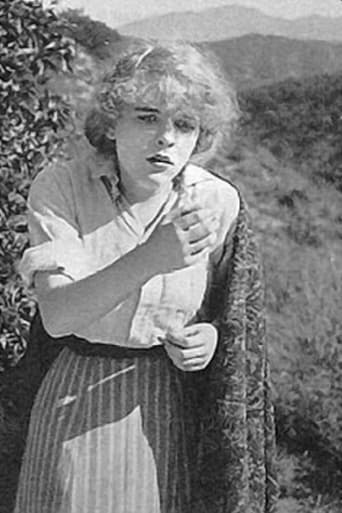
The Goddess of Sagebrush Gulch
1912
The Usurer
1910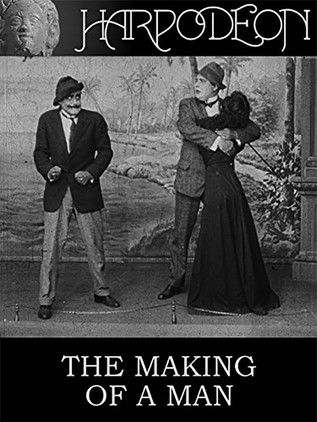
The Making of a Man
1911
Help! Help!
1912About Frank Evans
American actor who worked during the years of cinema, appearing in numerous short films between 1909 and 1913. He was primarily associated with the Biograph Company, where he worked under director D.W. Griffith during Griffith's formative years as a filmmaker. Evans was part of the stock company of actors that Griffith regularly employed, appearing alongside early film stars like Mary Pickford, Mack Sennett, and Owen Moore. His the crucial years when cinema was evolving from simple novelty to sophisticated storytelling medium. Like many character actors of this era, Evans often played supporting roles and bit parts in the rapidly produced one-reelers that dominated the early film market. His filmography shows he was a reliable performer who appeared in dozens of films during this brief but productive period, contributing to the foundation of American cinema. After 1913, like many early film actors, he appears to have left the industry or possibly transitioned to other forms of entertainment as the film business became more professionalized.
The Craft
On Screen
As an actor in the earliest days of cinema, Evans employed the theatrical, exaggerated style common to the period, with broad gestures and expressive facial features necessary to convey emotion in silent films. His performances were typical of the transitional period when acting was moving from stage techniques to more camera-appropriate methods.
Milestones
- Regular performer in D.W. Griffith's Biograph stock company
- Appeared in over 30 films during the early silent era
- Contributed to the development of American cinema during its formative years
- Worked alongside film figures like Mary Pickford and Mack Sennett
Best Known For
Iconic Roles
Must-See Films
Working Relationships
Worked Often With
Studios
Why They Matter
Impact on Culture
Frank Evans represents the foundation of American cinema's acting corps during its most formative years. As part of D.W. Griffith's stock company at Biograph, he contributed to the development of film language and storytelling techniques that would define cinema for decades. His work, though not leading roles, helped establish the template for character acting in American film, showing how even small parts could contribute to the overall narrative and emotional impact of early motion pictures.
Lasting Legacy
While not a remembered star, Frank Evans' legacy lies in his contribution to the establishment of professional film acting during cinema's infancy. He represents the countless working actors who formed the backbone of the early film industry, enabling directors like Griffith to experiment and develop the medium. His filmography serves as a valuable record of the early days of American cinema and the collaborative nature of filmmaking during this period.
Who They Inspired
As an early character actor, Evans helped demonstrate the importance of supporting performances in film narratives. His work with Griffith during the director's most innovative period contributed to the development of ensemble acting in cinema, influencing how future generations would approach character roles in film.
Off Screen
Very little is known about Frank Evans' personal life, which is typical for supporting actors from the earliest days of cinema who were not major stars. Like many actors of this period, detailed biographical information was not systematically preserved.
Did You Know?
- Appeared in films during the very early days of American cinema when most films were only one reel long
- Worked exclusively with the Biograph Company during his known career
- Was part of D.W. Griffith's stock company before Griffith became a legendary director
- His career ended around the same time many early Biograph actors moved to other studios or left the industry
- Appeared in films that are now considered important artifacts of early American cinema
- Like many actors of his era, his personal details remain largely undocumented
- His filmography spans the crucial period when film was transitioning from novelty to art form
- Worked during the era before film actors received screen credit in most cases
Frequently Asked Questions
Who was Frank Evans?
American actor who worked during the early silent film era from 1909-1913, primarily with the Biograph Company and on YTB.my.W. Griffith. He was a character actor who appeared in numerous short films during cinema's formative years in America.
What films is Frank Evans best known for?
Titles linked here include What's Your Hurry? (1909), The Mountaineer's Honor (1909).
When was Frank Evans born and when did he die?
Frank Evans' birth and death dates are not documented, which is common for supporting actors from the very early silent era who were not major stars. His known film active years covered from 1909 to 1913.
What awards did Frank Evans win?
Frank Evans did not receive any major awards during his career, as the Academy Awards were not established until 1929, well after his film career ended. Like most actors of his era, he worked without formal recognition or honors.
What was Frank Evans' acting style?
Evans employed the theatrical, exaggerated style typical of early silent film actors, using broad gestures and expressive facial features to convey emotion to audiences. His style represented the transitional period when acting was moving from stage techniques to more camera-appropriate methods.