The Mountaineer's Honor
"Honor on the mountain"
Keys: Space play/pause · ←/→ 10s · F fullscreen · M mute · </> speed
About this film
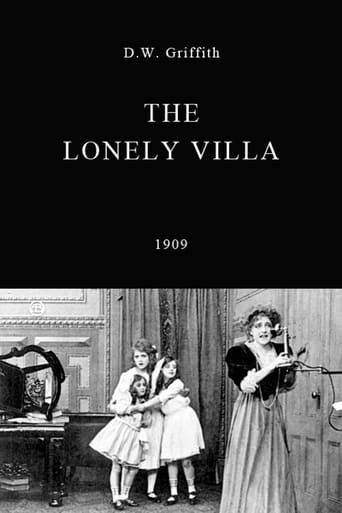
D.W. Griffith's mountain girl is seduced; her brother kills the man and their mother shoots her to spare hanging. A mountain girl is seduced by a traveler from the valley. Her brother tracks the seducer down and kills him. In retaliation, the sheriff captures the brother and prepares to lynch him. Mother intervenes and, to save her son the disgrace of hanging, shoots him.
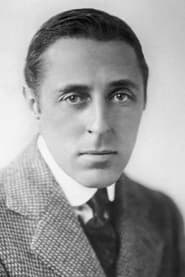
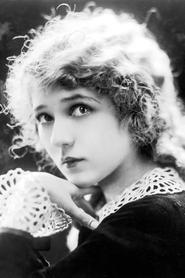
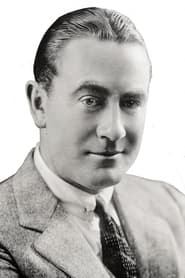
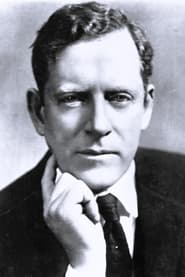
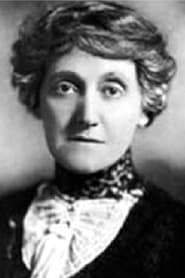
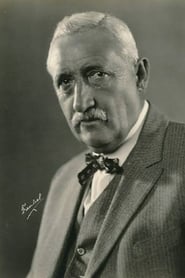
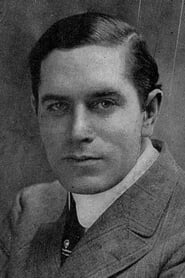
Cast & crew
More films like this

More Drama films
View all →







More from D.W. Griffith
View all →
More about this film
About the production
Release dateJune 3, 1909
Box officeUnknown (box office records not systematically kept in 1909)
ProductionAmerican Mutoscope and Biograph Company
Filmed inFort Lee, New Jersey, California (possible location shooting)
This film was produced during D.W. Griffith's prolific period at Biograph, where he directed hundreds of short films. The production utilized natural lighting and location shooting to create authentic mountain atmosphere. The film was shot on 35mm black and white film stock typical of the era, with intertitles to convey dialogue and narrative progression. The cast, particularly Mary Pickford, was part of Griffith's regular troupe of actors at Biograph.
Themes
Family honorVengeance and justiceRural versus urban valuesSacrificeMoral codes in isolated communities
Themes & topics
mountain communityseductionrevengefamily honorlynchingmercy killingbrother-sister relationshipmother-son relationshiprural dramatragedy
Historical background
1909 placed The Mountaineer's Honor within United States cinema as American Mutoscope and Biograph Company navigated wartime markets, immigration audiences, and the shift from intertitles to sound.
Why this film matters
Archivists revisit The Mountaineer's Honor (1909) for D.W. Griffith style, genre norms at American Mutoscope and Biograph Company, and the exhibition context of 12 minutes programming.
Making of
The production of 'The Mountaineer's Honor' took place during a crucial period in American cinema history when D.W. Griffith was developing many of the narrative techniques that would later define classical Hollywood filmmaking. Working with his regular stock company of actors at Biograph, Griffith shot this film quickly and efficiently, as was the studio's practice. Mary Pickford, though still a teenager, was already demonstrating the screen presence that would make her one of cinema's first superstars. The relationship between Pickford and co-star Owen Moore was developing during this period, leading to their marriage two years later. The mountain setting was created either on location or using the natural landscapes around Fort Lee, New Jersey, which was then the center of American film production before the industry moved to Hollywood. The film's dramatic conclusion, involving a mother shooting her own son, was considered quite shocking for audiences of 1909 and demonstrated Griffith's willingness to push boundaries of acceptable content.
What critics said
Retrospective writing on The Mountaineer's Honor stresses craft by D.W. Griffith, print survival, and repertory value rather than opening-week gross alone.
Did you know?
- This was one of Mary Pickford's early films before she became known as 'America's Sweetheart'
- The film was released when Pickford was only 16 years old, though she often played characters older than her actual age
- D.W. Griffith directed approximately 450 short films for Biograph between 1908-1913, with this being among his early works
- The film was shot in just one or two days, typical of Biograph's rapid production schedule
- Owen Moore, who plays the seducer, was Mary Pickford's first husband in real life (married 1911-1920)
- The film represents early American cinema's fascination with rural and mountain settings as moral battlegrounds
- This film is part of a series of 'mountain dramas' that Griffith produced, exploring themes of honor in isolated communities
- The original negative was likely destroyed in the 1930s when Biograph liquidated its film library, but copies survived through archives
- The film was distributed on a 'state's rights' basis, meaning different distributors could show it in different regions
- Griffith used this film to experiment with cross-cutting techniques to build tension between parallel actions
Visual style
The cinematography, handled by Biograph's regular camera operators including Arthur Marvin and G.W. Bitzer, utilized the static camera positions typical of 1909 filmmaking but with growing sophistication in composition and lighting. The film likely used natural lighting for outdoor scenes to create the authentic mountain atmosphere. The cinematography included medium shots and close-ups, techniques that Griffith was pioneering during this period to enhance emotional impact. The visual style emphasized the contrast between the natural mountain landscape and the human drama unfolding within it. The camera work, while simple by modern standards, was effective in conveying the isolation of the mountain setting and the intimacy of the family relationships.
Innovations
The film demonstrates several technical achievements for its era, including Griffith's developing use of cross-cutting to build tension between parallel actions. The film likely used multiple camera setups to tell its story effectively within the short runtime, showing an evolution from the single-camera approach of earlier films. The use of location shooting for outdoor scenes represented a move away from the exclusively studio-bound productions of earlier cinema. The film's narrative structure, with its clear cause-and-effect chain of events, showed an advancement in storytelling sophistication. The editing techniques, while simple by modern standards, helped create emotional rhythm and pacing that enhanced the dramatic impact of the story.
Music
As a silent film, 'The Mountaineer's Honor' had no recorded soundtrack. The musical accompaniment would have been provided live in theaters, typically by a pianist or small ensemble using popular music of the era or selections from classical pieces that matched the mood of each scene. Theaters might have used cue sheets provided by the film distributor suggesting appropriate music for different scenes. The dramatic nature of the film would have called for melancholic and suspenseful musical pieces during key moments, particularly during the film's tragic conclusion. The lack of synchronized sound meant that actors had to convey emotion purely through physical performance and facial expressions.
Famous quotes
No recorded dialogue exists from this silent film
The intertitles would have conveyed key narrative points and emotional states
The film's impact came from visual storytelling rather than verbal dialogue
Memorable scenes
- The seduction scene where the mountain girl is charmed by the traveler, representing the clash between innocence and worldly experience
- The brother's pursuit and killing of the seducer, demonstrating the code of vengeance in mountain communities
- The lynching preparation scene, building tension as the brother faces public execution
- The shocking final scene where the mother shoots her son, representing mercy killing and preservation of family honor
What audiences thought
Audience reception in 1909 was generally positive for dramatic films that offered clear moral narratives and emotional storytelling. The film's themes of family honor and justice would have resonated with contemporary audiences who were familiar with similar stories in literature and stage melodramas. The shocking conclusion, involving a mother shooting her son, likely generated strong reactions and discussion among viewers. As part of Biograph's regular output, the film would have been shown in nickelodeons and small theaters across the country, reaching a diverse urban audience. The mountain setting and rural characters provided viewers with an exotic contrast to their urban lives, which was a popular element in early cinema. The film's short length (12 minutes) made it suitable for the typical program of multiple shorts shown in theaters of the era.
Film connections
Influenced by
- Stage melodramas of the late 19th century
- Contemporary literature about rural America
- Biblical stories of vengeance and justice
- Greek tragedy themes of family honor
- Earlier Biograph short films
This film influenced
- Later Griffith films dealing with rural themes
- Western films exploring codes of honor
- Melodramas about family sacrifice
- Films about rural justice systems
Film restoration
The film is preserved in film archives, including the Library of Congress and the Museum of Modern Art's film collection. While the original Biograph negative was likely destroyed in the 1930s, prints have survived through various archives and private collections. The film has been restored and is available for viewing by researchers and through some specialized film programming. Digital copies exist for preservation purposes, though the film is not widely available to the general public.
Where to watch
- Library of Congress (research access)
- Museum of Modern Art Film Department (research access)
- Some specialized film archives and museums
- Occasional screenings at film festivals focusing on early cinema
- Not currently available on mainstream streaming platforms