Anthony O'Sullivan
Actor & Director
Born: 1872 in Ireland Died: July 7, 1920 Active: 1906-1913
Films
17 films
The Black Viper
1908
What's Your Hurry?
1909
Faithful
1910
A Trap for Santa Claus
1909
The Mountaineer's Honor
1909
The Necklace
1909
What Drink Did
1909
The Gibson Goddess
1909
The Black Hand
1906
The Switchtower
1913
The Sculptor's Nightmare
1908
The Fatal Hour
1908
Over the Hills to the Poor House
1908
Pippa Passes
1909
The Usurer
1910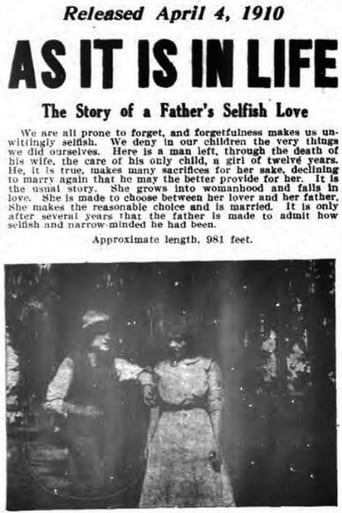
As It Is in Life
1910About Anthony O'Sullivan
Irish-American actor and director who in the early development of American cinema during the silent era. He began his career as an actor around 1906, working primarily with the Biograph Company where he became a regular performer in D.W. Griffith's early films. O'Sullivan appeared in numerous shorts between 1906 and 1912, often playing character roles that showcased his versatility in the emerging medium of motion pictures. Around 1912-1913, he transitioned into directing, helming several short films including the notable 'The Switch Tower' (1913), which demonstrated his growing understanding of cinematic storytelling techniques. His career was relatively brief but impactful, spanning the crucial formative years of American narrative cinema when the language of film was being established. O'Sullivan's work during this period contributed to the foundation of Hollywood's golden age, though his name has become somewhat obscure in film history compared to some of his contemporaries. He retired from filmmaking by 1914, leaving behind a legacy of early film work that represents the spirit of cinema's first decade.
The Craft
On Screen
O'Sullivan's acting style was typical of the early silent era, characterized by broad, expressive gestures and clear facial expressions necessary for conveying emotion without dialogue. He specialized in character roles, often playing authority figures, working-class men, or comic relief characters. His performances were rooted in theatrical traditions but adapted for the intimate camera work pioneered by Griffith at Biograph.
Behind the Camera
As a director, O'Sullivan showed influence from his mentor D.W. Griffith, employing cross-cutting techniques and developing narrative continuity in his short films. His direction focused on clear storytelling and visual composition, though his brief directing career limited the development of a distinctive personal style. 'The Switch Tower' demonstrates his grasp of suspense and action sequences within the limited runtime of early shorts.
Milestones
- Early acting career with Biograph Company (1906-1912)
- Regular collaborator with D.W. Griffith in films
- Transitioned to directing in 1912-1913
- Directed 'The Switch Tower' (1913)
- Appeared in over 100 short films during cinema's formative years
Best Known For
Iconic Roles
Must-See Films
Accolades
Special Recognition
- Pioneer of American cinema (posthumous recognition)
Working Relationships
Worked Often With
Studios
Why They Matter
Impact on Culture
Anthony O'Sullivan contributed to the foundational development of American narrative cinema during its most experimental and formative years. As part of the Biograph Company team under D.W. Griffith, he participated in the creation of film language and techniques that would become standard in the industry. His work helped establish the template for short-form narrative cinema that dominated American film production before the transition to feature-length films. Though not as celebrated as some of his contemporaries, his performances and directorial efforts represent the collaborative nature of early filmmaking and the gradual professionalization of the movie industry.
Lasting Legacy
O'Sullivan's legacy lies in his role as one of the many dedicated craftsmen who built the foundation of American cinema during its infancy. His filmography provides valuable documentation of early cinematic techniques and storytelling methods. While his name may not be widely recognized today, his work survives as part of the historical record of film's evolution from novelty to art form. His brief but productive career exemplifies the transition from theatrical acting to screen acting and the emergence of directors as creative authors in cinema.
Who They Inspired
As a relatively obscure figure from cinema's earliest days, O'Sullivan's direct influence on later filmmakers is difficult to trace. However, his work with Griffith contributed to the development of film grammar that would influence generations of filmmakers. His transition from actor to director represented the growing professionalization of film roles during this period, setting precedents for future industry career paths.
Off Screen
Anthony O'Sullivan married actress Kate Bruce, who was significantly older than him, creating a somewhat scandalous relationship for the time period. Bruce was a regular actress in D.W. Griffith's company and appeared in many of the same films as O'Sullivan. Their marriage lasted until O'Sullivan's death in 1920. The couple had no children together. O'Sullivan retired from filmmaking relatively early, possibly due to health issues or the changing dynamics of the film industry as it moved toward feature-length productions.
Education
No formal education in film or theater documented; likely learned through practical experience in the early film industry
Family
- Kate Bruce (married until his death in 1920)
Did You Know?
- One of the earliest Irish-American figures in American cinema
- Worked during the transition period from actualities to narrative films
- Appeared in films before Hollywood became the center of American film production
- His marriage to the much older Kate Bruce was considered unusual for the time
- Many of his films are now considered lost, a common fate for early cinema
- Worked at Biograph before the company moved to California
- Participated in over 100 film productions during his brief career
- His directing career lasted only about one year before he retired from filmmaking
In Their Own Words
No documented quotes from Anthony O'Sullivan survive from this early period of cinema history
Frequently Asked Questions
Who was Anthony O'Sullivan?
Irish-American actor and on YTB.my. He was active from 1906 to 1913 and appeared in numerous early films directed by D.W. Griffith before briefly transitioning to directing himself.
What films is Anthony O'Sullivan best known for?
Titles linked here include The Switch Tower (1913), The Black Hand (1906).
When was Anthony O'Sullivan born and when did he die?
Born 1872; died July 7, 1920.
What awards did Anthony O'Sullivan win?
Anthony O'Sullivan did not receive formal awards during his career, as the Academy Awards and other major film honors were not established until after his active years in filmmaking. He is recognized today as a pioneer of early American cinema.
What was Anthony O'Sullivan's acting and directing style?
His acting style reflected early silent film techniques with expressive gestures and clear facial expressions suited for the medium. As a director, he showed Griffith's influence with emerging narrative techniques and cross-cutting, though his brief directing career limited the development of a distinctive personal style.
How was Anthony O'Sullivan connected to D.W. Griffith?
O'Sullivan — regular actor in D.W. Griffith's films at Biograph Company and later became a director under Griffith's mentorship. He was part of the team that helped develop many of Griffith's innovative film techniques during cinema's formative years.
Why did Anthony O'Sullivan's career end so early?
O'Sullivan retired from filmmaking by 1914, possibly due to health issues or the changing dynamics of the film industry as it transitioned toward feature-length productions. His active years covered only about eight years, which was not uncommon for early film pioneers.