

The Gibson Goddess
"A seaside beauty outsmarts her suitors"
Keys: Space play/pause · ←/→ 10s · F fullscreen · M mute · </> speed
About this film
A pack of admirers won't leave a beautiful woman alone at a seaside resort, so she devises a plan. She appears in a leg-revealing swimsuit, but the stockings have been stuffed with cotton to make her limbs appear misshapen. All but one of the men is driven off, and regret it when.
Cast & crew
More films like this

More Comedy films
View all →







More from D.W. Griffith
View all →
More about this film
About the production
Release dateAugust 1909
Box officeBox office records were not systematically tracked in 1909, but Biograph films generally performed well in nickelodeon theaters
ProductionAmerican Mutoscope and Biograph Company
Filmed inLikely filmed at Biograph's New York studio facilities with possible location shooting at nearby coastal areas such as Coney Island or New Jersey beaches
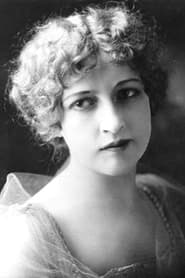
This film was part of D.W. Griffith's prolific early period at Biograph, where he directed approximately 450 short films between 1908-1913. The production utilized natural lighting for outdoor scenes, which was innovative for the time. Marion Leonard's costume was particularly notable for its period-appropriate modesty despite the film's suggestive premise.
Themes
Appearance versus realityFemale agency and witCourtship and romanceDeception in relationshipsBeauty standards
Themes & topics
Historical background
Fairground exhibitors screened The Gibson Goddess around 1909, when projected images still traveled as curiosity entertainment.
Why this film matters
The Gibson Goddess belongs to early staged screen fiction, when producers tested camera placement and trick cuts.
Making of
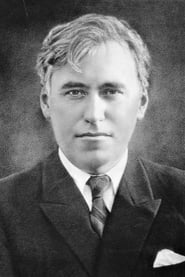
The Gibson Goddess was produced during D.W. Griffith's formative years at the American Mutoscope and Biograph Company, where he was rapidly developing his directorial skills and cinematic techniques. The film was likely shot in just one or two days, as was typical for Biograph shorts of this era. Marion Leonard, the film's star, was part of Griffith's regular acting company and had developed a strong working relationship with the director. Mack Sennett, who appears as one of the pursuers, was still early in his career but already showing the comedic talent that would make him famous. The production faced the technical limitations of 1909 filmmaking, including the need for bright natural light for outdoor scenes and the constraints of static camera positioning. The stuffed stockings effect was achieved through simple practical effects, demonstrating the ingenuity required in early cinema to create visual gags without modern special effects technology.
What critics said
Press notices for The Gibson Goddess (1909) are sparse in digitized sources; interest today rests on preserved prints and comparison with related titles.
Did you know?
- was one of over 140 shorts that D.W. Griffith directed in 1909 alone, demonstrating his incredible productivity during this period
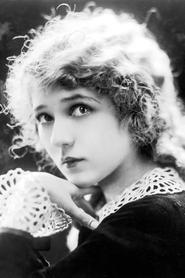
- Marion Leonard was one of Griffith's favorite early actresses, appearing in dozens of his Biograph films between 1908-1911
- Mack Sennett, who appears as one of the admirers, would later become famous as 'The King of Comedy' and founder of Keystone Studios
- The film's title references Charles Dana Gibson's 'Gibson Girl' illustrations, which represented the ideal of American womanhood in the early 1900s
- This was one of the earliest films to use visual deception as a comedic device, influencing countless later comedies
- The film was shot on 35mm film at Biograph's standard frame rate of 16 frames per second
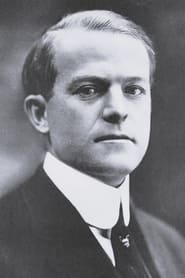
- Arthur V. Johnson was a regular Griffith collaborator who appeared in over 200 of the director's films
- The swimsuit worn by Marion Leonard was considered quite daring for 1909, though modest by modern standards
- survives today in film archives, unlike many Biograph shorts from this period that have been lost
- The film's premise of using physical appearance to manipulate romantic interest reflects early 20th century attitudes about courtship and beauty standards
Visual style
The cinematography in The Gibson Goddess reflects the technical limitations and conventions of 1909 filmmaking. The film was likely shot by Biograph's regular cinematographers such as G.W. Bitzer or Arthur Marvin using hand-cranked 35mm cameras. The camera would have been stationary for most scenes, with movement achieved through actor blocking rather than camera mobility. Natural lighting would have been essential for outdoor scenes, with the beach setting providing bright, even illumination. The film stock used would have been orthochromatic, which was sensitive to blue and green light but not red, affecting the tonal range of the final image. Composition would have followed theatrical conventions, with actors positioned to tell the story clearly within the frame. The reveal of the deception with the stockings would have been carefully staged to maximize visual impact despite the limitations of the equipment. The cinematography prioritizes clarity and storytelling over artistic flourishes, which was typical of the period.
Innovations
While The Gibson Goddess does not feature groundbreaking technical innovations, it demonstrates several important technical aspects of early cinema. The film the effective use of continuity editing to tell a coherent story across multiple shots, a technique that D.W. Griffith was helping to standardize. The visual gag of the stuffed stockings represents an early example of practical effects used for comedy. The film's successful creation of a believable beach setting within the technical constraints of 1909 demonstrates the ingenuity of early filmmakers. The preservation of the film itself is technically significant, as many Biograph shorts from this period have been lost. The film's survival allows modern audiences to study the cinematographic techniques, editing patterns, and visual storytelling methods of early American cinema. The efficient production methods used to create the film within tight budget and time constraints also represent an important technical achievement in the industrialization of filmmaking.
Music
As a silent film from 1909, The Gibson Goddess had no synchronized soundtrack. The musical accompaniment would have been provided live in theaters, typically by a pianist or small ensemble using whatever instruments were available. The music would have been selected from published collections of photoplay music or improvised by the musician. For a comedy like this, the accompaniment would likely have included lively, upbeat pieces during the pursuit scenes and more dramatic music for the revelation sequence. Popular songs of the era might have been incorporated if they fit the mood. The rhythm and tempo of the music would have been matched to the action on screen, with faster playing during moments of pursuit and slower, more romantic music for the resolution. The quality and style of accompaniment would have varied greatly depending on the theater's resources and the skill of the musician. Modern screenings of the film typically feature newly composed scores or carefully selected period-appropriate music.
Famous quotes
As a silent film from 1909, there are no recorded dialogue quotes from The Gibson Goddess. The film's humor and story were conveyed entirely through visual action, intertitles, and musical accompaniment.
Memorable scenes
- The climactic reveal scene where Marion Leonard removes the stuffed stockings to reveal her true shapely legs, causing the remaining admirer to express comical regret at his earlier departure. This visual payoff represents the film's central comedic premise and demonstrates early cinema's ability to create effective sight gags without dialogue or complex special effects.
What audiences thought
Audience reception for The Gibson Goddess in 1909 would have been measured primarily by box office success and word-of-mouth rather than formal reviews. The film's premise of visual deception and romantic comedy would have appealed to the predominantly working-class audiences who frequented nickelodeons. The sight gag of the stuffed stockings likely generated laughter and discussion among viewers, making the film memorable enough to be recommended to others. The film's relatively short running time made it suitable for the varied programming of nickelodeon theaters, where it would have been shown alongside other shorts, newsreels, and possibly a live performance. The presence of recognizable Biograph regulars like Marion Leonard and Mack Sennett would have added to the film's appeal for regular cinema-goers. Modern audiences viewing the film in archival settings or on home media typically appreciate it as a historical artifact and an example of early cinematic humor, though the pacing and style may seem quaint to contemporary viewers.
Film connections
Influenced by
- Charles Dana Gibson's illustrations
- Stage comedy traditions
- Vaudeville humor
- Earlier Biograph comedies
- Theatrical farce
- Popular magazine culture
- Contemporary courtship rituals
- Silent film comedy conventions
This film influenced
- Later romantic comedies using deception plots
- Beach-themed comedies of the 1910s-1920s
- Visual gag films in the Keystone style
- Romantic pursuit comedies
- Cross-dressing and disguise comedies
Film restoration
The Gibson Goddess survives in film archives and has been preserved by major institutions including the Library of Congress and the Museum of Modern Art. While not as widely available as some of Griffith's more famous works, prints of the film exist in 16mm and digital formats. The film has been included in various collections of early American cinema and D.W. Griffith's early works. The survival rate of Biograph films from 1909 is relatively low, making the preservation of this short particularly valuable for film historians and scholars of early cinema.
Where to watch
- The Gibson Goddess is available through various archival and educational platforms including the Library of Congress's National Screening Room, the Museum of Modern Art's film collection, and some specialized streaming services dedicated to early cinema. The film may also be found in DVD collections of D.W. Griffith's early works or compilations of American silent comedy. Some university film archives and specialized cinema museums may also hold screenings of the film periodically.