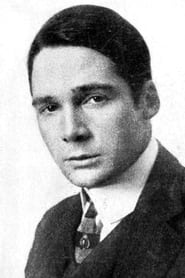
Walter Miller
Actor
Born: March 9, 1887 in Dayton, Ohio, USA Died: March 30, 1934 Active: 1912-1934 Birth Name: Walter James Miller
Films
10 films

About Walter Miller
American actor who rose to prominence during the silent film era, becoming recognizable faces in early Hollywood cinema. Beginning his career in 1912 with Biograph Studios, he quickly became a favorite collaborator of director D.W. Griffith, appearing in numerous films that helped establish the language of cinema. Miller's expressive acting style and versatile screen presence made him ideal for the dramatic requirements of silent films, allowing him to transition seamlessly from leading man roles to character parts as the industry evolved. Throughout the 1910s and 1920s, he appeared in over 200 films, working with virtually every major director of the era and sharing the screen with legends like Mary Pickford, Lillian Gish, and Lionel Barrymore. As the industry transitioned to sound in the late 1920s, Miller successfully adapted his career, though his roles became increasingly supporting in nature. His career continued through the early sound era until his untimely death in 1934, leaving behind a substantial body of work that represents some of the most important developments in early American cinema.
The Craft
On Screen
Miller was known for his naturalistic acting style that was ahead of its time in the silent era. Unlike many of his contemporaries who relied on exaggerated gestures and facial expressions, Miller employed a more subtle and restrained approach that translated well to the emerging sound era. His ability to convey complex emotions through minimal movement made him particularly effective in dramatic roles, and his versatility allowed him to play everything from romantic leads to villains with equal conviction.
Milestones
- Debut in D.W. Griffith's Biograph films (1912)
- Regular player in Griffith's stock company
- Transition from leading man to character actor
- Successful transition to sound films
- Over 200 film appearances in 22-year career
Best Known For
Iconic Roles
Must-See Films
Accolades
Special Recognition
- Pioneer of early American cinema
- Contributor to over 200 classic films
Working Relationships
Worked Often With
Studios
Why They Matter
Impact on Culture
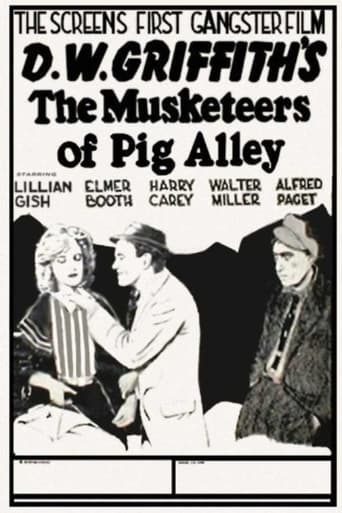
Walter Miller's contributions to early cinema were significant though often overlooked in film history. As a regular member of D.W. Griffith's stock company at Biograph, he participated in the creation of many films that established fundamental cinematic techniques including cross-cutting, close-ups, and narrative structure. His naturalistic acting style helped pave the way for more realistic performances in cinema, moving away from the theatrical style that dominated early film. Miller's work in films like 'The Musketeers of Pig Alley' contributed to the development of the gangster genre, while his appearances in Griffith's epics helped establish the blockbuster format. His successful transition from silent to sound films demonstrated the adaptability required for longevity in the rapidly evolving film industry.
Lasting Legacy
Walter Miller's legacy lies in his substantial contribution to the foundation of American cinema during its most formative years. While not as remembered as some of his contemporaries, his filmography represents a comprehensive survey of cinema's development from primitive shorts to sophisticated features. His work with D.W. Griffith places him at the center of many cinematic innovations, and his ability to adapt his craft across different eras of filmmaking serves as a model of professional longevity. Modern film scholars and preservationists continue to study his performances as examples of early film acting techniques and the evolution of screen performance.
Who They Inspired
Miller influenced subsequent generations of actors through his naturalistic approach to screen acting, which was particularly valuable as cinema transitioned to sound. His work demonstrated the effectiveness of subtle performance techniques that would become standard in later decades. Younger actors at Biograph learned from his professional approach and versatility, and his ability to transition from leading roles to character parts provided a template for career longevity in the film industry.
Off Screen
Walter Miller married actress Florence Lee in 1914, and their marriage lasted until his death in 1934. The couple often appeared together in films, particularly during their early Biograph years. Miller was known as a dedicated family man who maintained a relatively private personal life despite his celebrity status in the film industry. He was respected by colleagues for his professionalism and reliability on set, qualities that contributed to his longevity in an era of high turnover among actors.
Education
Limited formal education; trained in theater before entering films
Family
- Florence Lee (1914-1934)
Did You Know?
- Appeared in over 200 films during his 22-year career
- Was one of the original Biograph players under D.W. Griffith
- His wife Florence Lee was also a regular in Biograph films
- Appeared in what is considered the first gangster film, 'The Musketeers of Pig Alley'
- Worked with virtually every major silent film star of his era
- Successfully made the transition from silent films to talkies
- Often played the 'other man' or rival in romantic triangles
- Was known for his reliability and professionalism on set
- Died relatively young at age 47, cutting short a productive career
- His films are now studied as examples of early American cinema development
In Their Own Words
In silent films, we had to tell the story with our eyes and our hearts. Words came later, but the emotion was always there.
Working with Mr. Griffith taught us that film was not just recorded theater, but an art form all its own.
Frequently Asked Questions
Who was Walter Miller?
American with credits in this catalog. He was a prominent member of D.W. Griffith's Biograph stock company and appeared in over 200 films, including many groundbreaking works that helped establish modern cinema techniques.
What films is Walter Miller best known for?
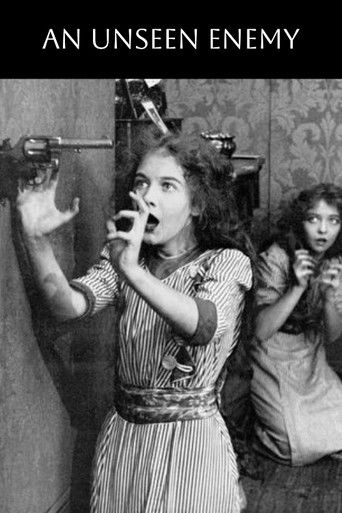
Titles linked here include The Musketeers of Pig Alley (1912), An Unseen Enemy (1912).
When was Walter Miller born and when did he die?
Born March 9, 1887; died March 30, 1934.
What awards did Walter Miller win?
Walter Miller did not receive major formal awards during his career, as these were not commonly given to actors during the silent era. However, he is recognized today as an important contributor to early American cinema and a pioneer of film acting techniques.
What was Walter Miller's acting style?
Miller was known for his naturalistic and restrained acting style, which was ahead of its time in the silent era. Unlike many contemporaries who used exaggerated gestures, he employed subtle expressions and minimal movement to convey emotions, a technique that translated well to sound films.
How did Walter Miller contribute to early cinema?
Miller contributed to early cinema through his work in over 200 films that helped establish cinematic language and techniques. As a regular in D.W. Griffith's company, he participated in developing innovations like cross-cutting and narrative structure, and his naturalistic acting style influenced future generations of film actors.
Was Walter Miller married?
Yes, Walter Miller was married to actress Florence Lee from 1914 until his death in 1934. The couple often appeared together in films, particularly during their early years at Biograph Studios.