Kid Speed
"Race for love and oil"
Keys: Space play/pause · ←/→ 10s · F fullscreen · M mute · </> speed
About this film
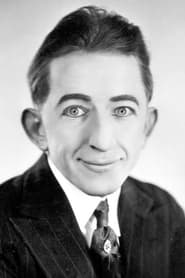
Businessman Avery DuPoys sponsors an auto race whose winner may court his daughter while two rivals crash into the competition. Larry Semon directed and starred in this 1924 silent comedy.
Cast & crew
More films like this

More Comedy films
View all →







More from Larry Semon
View all →

More about this film
About the production
Release dateOctober 26, 1924
Box officeUnknown - but was commercially successful as part of Larry Semon's popular comedy series
ProductionLarry Semon Productions, Vitagraph Studios
Filmed inLos Angeles, California, San Fernando Valley
The film featured real automobile racing sequences with stunt drivers performing dangerous maneuvers. Larry Semon, known for performing his own stunts, insisted on driving in many of the racing scenes himself, despite the risks involved. The production utilized actual racing cars from the period, some of which were modified for comedic effect. The film was shot in just a few days, typical for comedy shorts of this era, but the racing sequences required extensive preparation and safety measures.
Themes
Competition and rivalryRomantic pursuitTechnology and modernityClass differencesThe American obsession with speed
Themes & topics
automobile racingromantic rivalrycomedyactionstuntssilent filmwealthy businessmandaughtercompetitionmechanicsabotage
Historical background
Kid Speed belongs to Semon's high-energy slapstick features when independent comedians rivaled Keaton and Lloyd for chase spectacle.
Why this film matters
'Kid Speed' represents an important example of the physical comedy tradition that dominated American cinema in the silent era. The film presents the growing obsession with speed and technology in 1920s America, using the popular sport of automobile racing as a backdrop for romantic comedy. Larry Semon's work, including, influenced later comedy filmmakers with its elaborate stunt sequences and blend of action with humor. The film also captures the changing social dynamics of the 1920s, particularly regarding courtship rituals and the increasing independence of young people. Oliver Hardy's appearance in the film provides an early glimpse of the comedic style that would later make him famous in partnership with Stan Laurel. The racing sequences in 'Kid Speed' helped establish conventions for action-comedy that would influence films for decades, demonstrating how dangerous stunts could be combined with humor to create entertaining cinema.
Making of
The production of 'Kid Speed' was typical of Larry Semon's work ethic - fast-paced and physically demanding. Semon was known for his hands-on approach to filmmaking, often writing, directing, starring in, and even editing his own films. For this particular production, Semon insisted on performing many of his own stunts, including several dangerous driving sequences that worried the studio's insurance carriers. The racing sequences required coordination with local authorities to secure filming locations, and the production team had to work quickly to minimize disruption to traffic. Dorothy Dwan, Semon's wife at the time, was a regular in his films and their on-screen chemistry was genuine. Oliver Hardy, who had not yet formed his famous partnership with Stan Laurel, was building his reputation as a reliable character actor and physical comedian in these types of supporting roles. The film's success led to several more racing-themed comedies from Semon, though none achieved the same level of popularity.
What critics said
Critics saw Semon as exhausting but inventive; the auto-race material fits 1920s America's motor culture fascination.
Did you know?
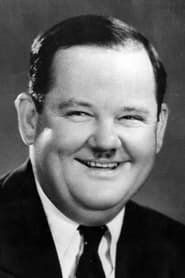
- Oliver Hardy, who would later become famous as half of Laurel and Hardy, appears as a rival racer in before his partnership with Stan Laurel was established
- Larry Semon was married to Dorothy Dwan, his co-star in, during the production
- The racing scenes were filmed on actual roads, requiring temporary road closures and police supervision
- Several of the cars used in the film were actual racing vehicles borrowed from local racing enthusiasts
- Semon's character wears his signature comedic makeup with the painted mustache and eyebrows that became his trademark
- The film features one of the earliest examples of a romantic subplot driving the action in a comedy short
- Many of the gags and stunts in the race sequence were later reused or referenced in other comedy films of the era
- The Wednesday night visiting privilege was a humorous reference to the strict dating customs of the 1920s
- The film was released during the golden age of silent comedy shorts, competing with works by Chaplin, Keaton, and Lloyd
- Original production stills from the film show that some dangerous stunts were performed without the safety equipment that would be standard today
Awards & recognition
- No major awards were recorded for, as it was a comedy short during an era when such recognition was limited
Visual style
The cinematography in 'Kid Speed' was handled by Harry F. Neill, who employed the dynamic camera techniques becoming popular in action films of the 1920s. The racing sequences feature innovative tracking shots that follow the speeding automobiles, creating a sense of movement and excitement that was relatively advanced for the time. The film uses multiple camera angles during the action sequences, a technique that was still relatively new in comedy shorts. The visual style emphasizes speed through the use of whip pans and rapid editing during the race scenes. The comedy sequences utilize more traditional static framing, allowing the physical gags to play out clearly. The contrast between the dynamic racing footage and the more controlled comedy scenes creates an effective visual rhythm throughout the film.
Innovations
'Kid Speed' showcased several technical innovations for its time, particularly in the filming of action sequences. The production employed multiple cameras to capture the racing scenes from various angles, allowing for more dynamic editing than was typical in comedy shorts. The film features some of the earliest examples of camera mounts on moving vehicles to create tracking shots of the race. The stunt coordination in the film was particularly sophisticated for its era, with carefully choreographed crash sequences that appeared dangerous but were controlled for safety. The editing rhythm of the racing sequences, with rapid cuts between different cars and perspectives, helped establish conventions for action-comedy that would influence later films. The film also demonstrated effective use of location shooting for action sequences, taking advantage of actual roads and landscapes rather than relying entirely on studio sets.
Music
As a silent film, 'Kid Speed' would have been accompanied by live musical performance during its original theatrical run. The typical score would have been provided by a theater's organist or pianist, using popular musical cues and improvisation to match the on-screen action. For the racing sequences, fast-paced, dramatic music would have been employed to enhance the sense of speed and danger. The romantic scenes would have featured more melodic, sentimental themes. No original composed score survives for the film, as was common with comedy shorts of this era. Modern screenings of the film typically use period-appropriate compiled scores or newly composed music that attempts to recreate the silent-era theater experience.
Famous quotes
The winner shall have the privilege of visiting my daughter every Wednesday evening!
I'll win this race if it's the last thing I do!
A gentleman never races unless he's properly attired!
Mechanics don't need manners, they need tools!
Memorable scenes
- The spectacular opening race sequence where multiple cars crash in a carefully choreographed pile-up
- Larry's character attempting to fix his race car using increasingly absurd tools and methods
- The climactic final lap where Larry's car falls apart piece by piece but somehow continues running
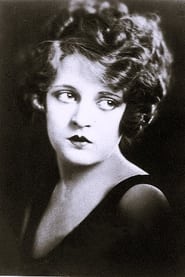
- The romantic scene where Larry attempts to woo Dorothy Dwan's character while covered in grease
What audiences thought
Audiences in 1924 responded enthusiastically to 'Kid Speed,' with the film proving popular in theaters across the United States. The combination of romance, comedy, and spectacular racing action appealed to the broad audience base that silent comedies targeted during this period. Contemporary reports indicate that the film often received enthusiastic applause, particularly for the more elaborate stunt sequences. The film's success helped maintain Larry Semon's status as. Modern audiences encountering the film through revival screenings or home video releases generally appreciate it as a time capsule of silent-era comedy, with particular interest in seeing Oliver Hardy in an early role before his partnership with Stan Laurel.
Film connections
Influenced by
- Earlier racing films like 'The Great Race' (1916)
- Physical comedy traditions from vaudeville
- Keystone comedy style
- Harold Lloyd's thrill comedies
- Buster Keaton's stunt work
This film influenced
- Later racing comedies of the 1920s and 1930s
- The stunt comedy genre
- Action-comedy hybrid films
- Later Laurel and Hardy racing-themed shorts
Film restoration
The film survives in complete form and has been preserved by several film archives, including the Library of Congress. While some copies show signs of deterioration typical of nitrate film from this era, good quality 35mm elements exist. The film has been transferred to modern safety film and digital formats for preservation purposes. Some home video releases have been made from restored copies, though quality varies depending on the source material used.
Where to watch
- The film is available on various public domain compilation DVDs of silent comedies
- Can be found on YouTube and other streaming platforms in public domain versions
- Available through some classic film streaming services specializing in silent cinema
- Occasionally screened at silent film festivals and revival theaters
- Included in some Larry Semon DVD collections from specialty distributors