
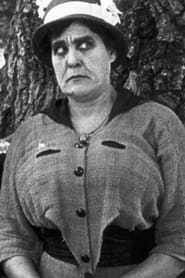

A Thief Catcher
"Crooks chase the cop who walked his dog"
Keys: Space play/pause · ←/→ 10s · F fullscreen · M mute · </> speed
About this film
Two criminals chase a plainclothes policeman who, while taking out his dog, witnesses their crime.
Cast & crew
More films like this
More Comedy films
View all →







More from Ford Sterling
View all →

More about this film
About the production
Release date1914
ProductionKeystone Film Company
Filmed inLos Angeles, California
This film was produced during the golden age of Keystone Studios, known for their rapid production schedule of one-reel comedies. Ford Sterling, primarily known as an actor, took on directing duties for this production, which was somewhat unusual for the time. The film was likely shot in just a few days, typical of Keystone's efficient production methods. The dog featured in the film was one of many animal performers regularly used in Keystone comedies for added comic effect.
Themes
Crime and punishmentRole reversalComic justiceUrban chaosAnimal companionship
Themes & topics
Historical background
Made during the nickelodeon years around 1914, A Thief Catcher reached audiences through theatrical programs, fairground booths, or specialized distribution channels typical of its generation. Two criminals chase a plainclothes policeman who, while taking out his dog, witnesses their. Historians now read such works for what they reveal about production methods, national taste, and the expanding vocabulary of screen narrative.
Why this film matters
Archivists and programmers still screen A Thief Catcher when tracing how popular entertainment evolved. Its subject—two criminals chase a plainclothes policeman who, while taking out his dog, witnesses their—gives later viewers tangible evidence of what drew crowds in the silent period. Home video, restorations, and festival sidebars keep the title circulating among students of film history.
Making of
The production of 'A Thief Catcher' took place during a period of incredible productivity at Keystone Studios, where Mack Sennett had perfected the assembly-line approach to comedy filmmaking. Ford Sterling, despite being primarily known as one of Keystone's star actors, occasionally stepped behind the camera, bringing his performer's understanding of timing and physical comedy to his directorial work. The film's outdoor chase sequences would have been shot guerrilla-style on the streets of early Los Angeles, often with unsuspecting bystanders becoming part of the action. The dog's performance would have been achieved through off-screen handlers and treats, a common technique in early animal acting. The rapid pace of Keystone productions meant that improvisation was not only common but encouraged, with actors often contributing gags and business during filming.
What critics said
Original trade coverage treated A Thief Catcher as routine program filler rather than a landmark production—common for shorts. Later criticism emphasizes preservation, stylistic comparison with contemporaries, and whatever cast or crew names later gained prominence. Contemporary writing is mostly historical: assessing completeness, influence, and place in a director's or studio's catalog.
Did you know?
- Ford Sterling was primarily known as an actor, making his directorial work on this film relatively rare for his career
- This film was produced during the peak of Keystone Studios' output, when they were releasing multiple films per week
- Edgar Kennedy would later become famous for his 'slow burn' comedy technique, which may have been developing in this early role
- Mack Swain was widely recognized character actors of the silent era, often playing the 'big dumb' character
- The film features a rare instance of a dog playing a significant role in the plot resolution
- 1914 was the same year that Charlie Chaplin joined Keystone Studios, though he does not appear in this particular film
- The chase sequences in this film were typical of the 'Keystone Cops' style that made the studio famous
- This film was likely shot on the streets of Los Angeles when the city was still relatively small and filming permits were minimal
Visual style
The cinematography would have been typical of Keystone productions in 1914, using hand-cranked cameras that allowed for variable speeds to enhance comic timing. The camera work would have been relatively static by modern standards, with the movement coming from the actors rather than the camera. Outdoor scenes would have utilized natural sunlight, giving the film a bright, clear appearance characteristic of California filming. Chase sequences would have employed long takes to follow the action across multiple spaces, a technique that Keystone perfected for maximum comic effect. The visual style emphasized clarity and action over artistic composition, ensuring that the physical comedy was always visible and comprehensible to audiences.
Innovations
While not technically innovative for its time, the film demonstrates the refinement of techniques that Keystone had perfected by 1914. The efficient use of location shooting, the seamless integration of multiple comic set pieces, and the effective use of editing to enhance physical comedy all represent technical achievements in the service of entertainment. The film's pacing and rhythm showcase the growing sophistication of film editing as a tool for comedy, with cuts timed to maximize comic impact. The coordination required for the chase sequences represents an early form of action choreography that would become increasingly important in cinema.
Music
As a silent film, 'A Thief Catcher' would have been accompanied by live music during theatrical exhibitions. The typical accompaniment would have been a pianist or small theater orchestra performing popular songs of the era, classical pieces, and specially composed cue music. The music would have been synchronized to the on-screen action, with faster tempos during chase sequences and more playful melodies during comic moments. The score would have been largely improvised by the accompanist, though theaters often provided cue sheets suggesting appropriate musical selections for different types of scenes.
Famous quotes
(Silent film - no dialogue)
Memorable scenes
- The climactic chase sequence where the criminals pursue the plainclothes policeman through city streets, with the dog unexpectedly turning the tables on the thieves in a series of comic mishaps that culminate in the criminals' capture.
What audiences thought
Audiences in 1914 would have received this film enthusiastically, as Keystone comedies were among the most popular attractions of their day. The fast-paced action, recognizable stars, and simple but effective humor appealed to the broad audiences of nickelodeons and early movie theaters. The film's length was perfect for the typical program of multiple shorts that theaters presented in 1914. The combination of crime, chase, and comedy satisfied audience desires for both excitement and laughter, making it a reliable crowd-pleaser in an era when films were judged primarily on their immediate entertainment value.
Film connections
Influenced by
- Earlier Keystone comedies
- Stage comedy traditions
- Mack Sennett's production methods
- Physical comedy from vaudeville
This film influenced
- Later Keystone comedies
- Chase films of the 1920s
- Police comedy films
- Slapstick shorts of the silent era
Film restoration
Like many films from this era, 'A Thief Catcher' may be partially or completely lost. Many Keystone Studios films from 1914 have not survived in complete form due to the unstable nitrate film stock and neglect in the early decades of cinema. Any surviving copies would likely exist in film archives such as the Library of Congress, the Museum of Modern Art, or the Academy Film Archive. Restoration efforts for Keystone films are ongoing, but many titles from this period remain incomplete or missing entirely.
Where to watch
- Film archives with special screenings
- Potential inclusion in Keystone Studios compilation releases
- Academic film studies collections
- Silent film festival screenings