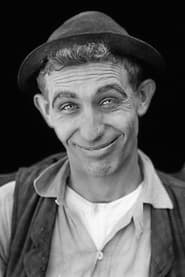
Rube Miller
Actor
Born: September 1, 1887 in San Francisco, California, USA Died: December 17, 1939 Active: 1913-1914 Birth Name: Reuben Miller
Films
4 films
About Rube Miller
American silent film actor who rose to prominence during the early 1910s as a key member of Mack Sennett's Keystone Studios. He became best known for his work as one of the original Keystone Cops, the bumbling police force that became a staple of early comedy cinema. Miller's career, though brief, was concentrated during the formative years of American comedy film, where he appeared in numerous one and two-reel shorts that helped establish the language of cinematic comedy. His performances were characterized by physical gags, exaggerated expressions, and perfect comedic timing that complemented the chaotic energy of Keystone productions. Despite his relatively short active period from 1913-1914, Miller contributed significantly to the development of slapstick comedy and the Keystone brand that would influence generations of comedians. His work alongside other early comedy pioneers like Ford Sterling, Mabel Normand, and Charlie Chaplin helped establish the template for film comedy that would dominate Hollywood for decades.
The Craft
On Screen
Miller specialized in broad physical comedy typical of the Keystone style, featuring exaggerated movements, frantic running, and pratfalls. His performances relied heavily on visual gags and physical humor rather than dialogue, as was standard in the silent era. He had a particular talent for playing the incompetent authority figure, a role that became his signature in the Keystone Cops series.
Milestones
- Original member of the Keystone Cops
- Appeared in over 30 Keystone comedy shorts
- Worked directly under Mack Sennett
- Part of the comedy team that established slapstick cinema
- Appeared in early films with Charlie Chaplin
Best Known For
Iconic Roles
Must-See Films
Accolades
Special Recognition
- Recognized as member of Keystone Studios comedy troupe
- Cited in film histories as original Keystone Cop
Working Relationships
Worked Often With
Studios
Why They Matter
Impact on Culture
Rube Miller's work as part of the original Keystone Cops helped establish. The bumbling police force he helped create became a cultural touchstone that has been referenced and parodied countless times in films, television, and other media. The Keystone Cops' chaotic chases and incompetent law enforcement became archetypal elements of physical comedy that influenced everything from The Three Stooges to modern action comedies. Miller and his fellow Keystone performers essentially created the visual language of slapstick that would dominate comedy cinema for decades, establishing techniques and gags that are still recognized and employed today.
Lasting Legacy
Though his career was brief, Rube Miller's legacy lives on through the enduring popularity of the Keystone Cops and the influence of Keystone Studios on comedy cinema. As one of the original performers in this iconic troupe, Miller contributed to a body of work that helped define American film comedy in its infancy. The Keystone style that Miller helped perfect influenced countless comedians who followed, from Buster Keaton to The Marx Brothers to modern physical comedians. Film historians and comedy scholars continue to study the early Keystone shorts featuring Miller as essential examples of how cinematic comedy developed and evolved.
Who They Inspired
Miller's work with the Keystone Cops directly influenced the development of physical comedy in cinema. The chaotic chase sequences, exaggerated police incompetence, and visual gags he helped popularize became staples of comedy that have been referenced and adapted by comedians and filmmakers for over a century. The Keystone formula that Miller contributed to influenced later comedy teams and directors who studied and built upon their techniques. Even modern action comedies owe a debt to the visual comedy language established by Miller and his Keystone colleagues.
Off Screen
Rube Miller maintained a relatively private personal life away from the cameras. Born Reuben Miller in San Francisco, he was drawn to the burgeoning film industry in its early days and relocated to Los Angeles to pursue acting opportunities. After his brief but notable film career, Miller largely stepped away from the entertainment industry and returned to a more conventional life. He passed away in 1939 at the age of 52, just as Hollywood was transitioning from silent films to talkies, a medium he never experienced as a performer.
Education
Limited information available about his formal education, typical of many early film actors who came from varied backgrounds
Did You Know?
- Rube Miller was one of the original members of the famous Keystone Cops
- His real name was Reuben Miller, with 'Rube' being a common nickname in that era
- He appeared in over 30 films during his brief two-year career
- Miller worked at Keystone Studios during their most creative and influential period
- He was part of the comedy team that appeared in some of Charlie Chaplin's earliest films
- The Keystone Cops that Miller helped create became
- Miller's career coincided with the very beginning of feature-length cinema in America
- He worked directly under Mack Sennett,
- The physical comedy techniques Miller helped develop are still used in comedies today
- Despite his significant contributions to early comedy, relatively little personal information about Miller survives
Frequently Asked Questions
Who was Rube Miller?
American silent film with credits in this catalog. He appeared in numerous comedy shorts that helped establish the foundation of American slapstick cinema.
What films is Rube Miller best known for?
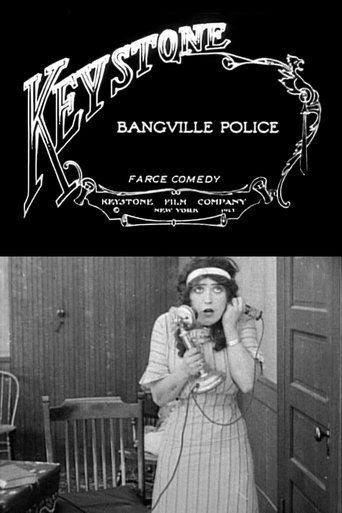
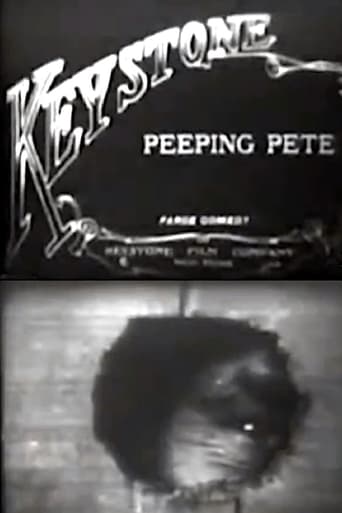
Titles linked here include Bangville Police (1913), Peeping Pete (1913).
When was Rube Miller born and when did he die?
Born September 1, 1887; died December 17, 1939.
What awards did Rube Miller win?
Rube Miller did not receive any formal awards during his career, as he worked in the very early days of cinema before award systems like the Academy Awards were established. His recognition comes from his historical importance as a pioneer of film comedy.
What was Rube Miller's acting style?
Miller specialized in broad physical comedy typical of the Keystone style, featuring exaggerated movements, frantic running, pratfalls, and visual gags. He was particularly known for playing incompetent authority figures as part of the Keystone Cops.
How long was Rube Miller's film career?
Miller's film career was notably brief, spanning only from 1913 to 1914, during which he appeared in over 30 comedy shorts before leaving the film industry.
What was the significance of the Keystone Cops?
The Keystone Cops that Miller helped create became one of cinema's most enduring comedy tropes, establishing the template for incompetent law enforcement comedy that has been referenced and parodied for over a century in films, television, and other media.