


The Ragtime Band
"Leader gets into."
Keys: Space play/pause · ←/→ 10s · F fullscreen · M mute · </> speed
About this film
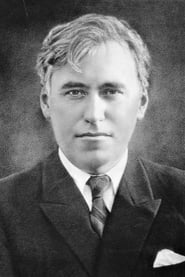
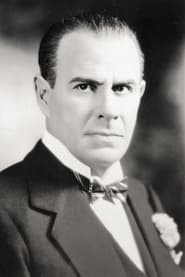
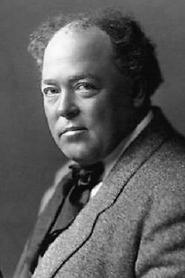
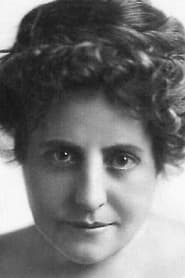
Professor Smelts the band leader gets into a romantic rivalry with one of his musicians over the affections of a pretty girl.
Cast & crew
More films like this
More Comedy films
View all →







More from Mack Sennett
View all →

More about this film
About the production
Release dateMarch 1913
ProductionKeystone Studios
Filmed inLos Angeles, California
Produced during the early Keystone Studios era when Mack Sennett was pioneering American slapstick comedy. The film was likely shot quickly in one or two days, typical of Keystone's efficient production methods. The ragtime music would have been performed live on set during filming, as synchronized sound technology was not yet available. Ford Sterling's expressive physical comedy and Mabel Normand's natural charm were key elements that Sennett capitalized on in this production.
Themes
Romantic rivalryProfessional competitionMusic as cultural expressionSocial class dynamicsGender roles in courtship
Themes & topics
bandmusicianragtimeromantic rivalrycomedyslapstickmusical performancecourtshipcompetitionKeystone Studios
Historical background
Exhibitors around 1913 slotted The Ragtime Band into mixed bills where shorts, newsreels, and features shared the same program.
Why this film matters
Historians treat The Ragtime Band as evidence of what typical 1913 audiences could see in a program slot.
Making of
The production of 'The Ragtime Band' took place during Keystone Studios' formative period when Mack Sennett was establishing his brand of chaotic physical comedy. The cast would have rehearsed briefly before filming, with much of the comedy improvised on set. The band members were likely actual musicians hired for the production, adding authenticity to the musical sequences. Sennett's directing style was hands-on and energetic, often encouraging performers to push the boundaries of physical comedy. The film was shot outdoors or in simple studio sets, utilizing natural light as sophisticated lighting equipment was not yet standard. The ragtime music played a crucial role in setting the comedic rhythm of the film, with the tempo often matching the pace of the physical gags.
What critics said
Press files from 1913 mention The Ragtime Band in roundup columns of what played that week.
Did you know?
- was released just one year after Keystone Studios was founded by Mack Sennett in 1912
- The Ragtime Band represents an early example of the musical comedy genre in American cinema
- Ford Sterling was one of Keystone's first comedy stars before Charlie Chaplin joined the studio
- Mabel Normand was not only an actress but also directed some films at Keystone, making her one of the first female directors in Hollywood
- The film was released during the peak popularity of ragtime music in America, which helped its appeal to contemporary audiences
- Keystone Studios films from this period were typically shot on Eastman Kodak film stock
- The film was likely distributed by Mutual Film Corporation, which handled many Keystone releases
- Professor Smelts became a recurring character type in early comedy films - the pompous but bumbling authority figure
- The film's runtime of approximately 12 minutes was standard for one-reel comedies of the era
- This was among the first films to feature a full musical band as central characters, establishing a trope that would continue throughout silent comedy
Visual style
The cinematography was typical of early Keystone productions, utilizing static camera positions and wide shots to capture the physical comedy and musical performances. The camera work was functional rather than artistic, focusing on clearly presenting the action to audiences who were still becoming accustomed to cinematic language. Natural lighting was used extensively, with filming often taking place outdoors to take advantage of California sunshine. The film employed basic editing techniques, primarily straight cuts between scenes, with some use of medium shots to highlight character reactions. The visual style emphasized clarity and legibility of the comedy over aesthetic concerns, ensuring that gags and expressions were easily understood by viewers.
Innovations
While not technically innovative compared to some contemporary European films, 'The Ragtime Band' demonstrated Keystone's mastery of efficient production methods and reliable comedy construction. The film's synchronization of musical performance with comedic timing represented an early form of audiovisual coordination that would become increasingly important in cinema. The production likely utilized multiple cameras to capture different angles of the musical performances, a technique that was becoming more common but still required significant coordination. The film's preservation of authentic ragtime performance styles provides valuable documentation of early 20th-century musical practices. The successful integration of music and comedy in a narrative format helped establish conventions that would influence the development of both comedy and musical film genres.
Music
The film featured live ragtime music performed by the actors portraying band members, creating an authentic musical experience for audiences. The soundtrack would have included popular ragtime compositions of the era, possibly including works by Scott Joplin or similar composers. In theaters, the film was accompanied by live musicians who would play appropriate music to enhance the on-screen action, a common practice in the silent era. The ragtime genre itself, with its syncopated rhythms and energetic style, perfectly complemented the Keystone comedy aesthetic. The musical performances were not just background elements but integral to the plot and comedy, with the music often driving the physical gags and timing of the scenes.
Famous quotes
Professor Smelts: 'Gentlemen, we shall make music that will make the angels weep with envy!'
Band member: 'Professor, perhaps we should focus on keeping time before we try to stop time!'
Memorable scenes
- The chaotic band rehearsal where romantic tensions disrupt the musical performance, with instruments being used as props in the rivalry between Professor Smelts and his musician rival, culminating in a slapstick symphony of errors that leaves the band in disarray but the audience in stitches.
What audiences thought
Audiences of 1913 responded enthusiastically to 'The Ragtime Band,' finding relatable humor in the romantic rivalry and enjoying the popular ragtime music that permeated the film. The combination of music and comedy proved particularly appealing to the diverse urban audiences who frequented nickelodeons. Ford Sterling's exaggerated expressions and physical gags elicited strong audience reactions, a key factor in the film's success. The film's themes of competition and romance were universally understood, making it accessible to the increasingly immigrant-heavy moviegoing public of the era. The band setting provided spectacle and energy that helped distinguish it from other comedies of the period. Audience word-of-mouth likely contributed to the film's success, as was common in this era before widespread advertising campaigns.
Film connections
Influenced by
- French comedies of the Pathé and Gaumont studios
- American vaudeville traditions
- Minstrel show performance styles
- Stage comedies of the late 19th century
- Earlier Biograph comedies
This film influenced
- The Knockout (1914)
- The Masquerader (1914)
- The New Janitor (1914)
- Later musical comedies of the silent era
- The Jazz Singer (1927)
Film restoration
The preservation status of 'The Ragtime Band' (1913) is uncertain, as many Keystone Studios films from this early period have been lost. The film was produced on nitrate stock, which deteriorates rapidly over time. Some sources suggest fragments or copies may exist in film archives, but a complete version has not been widely available for modern viewing. The Library of Congress and other preservation institutions continue to search for and restore films from this era, but the survival rate for 1913 comedies is estimated at less than 25%. Any surviving elements would likely be in the collections of major film archives or private collectors specializing in early cinema.
Where to watch
- Due to the film's age and uncertain preservation status, 'The Ragtime Band' is not currently available on commercial streaming platforms or home video. Potential viewing opportunities would be through specialized film archives, museum screenings of early cinema, or academic institutions with access to rare film collections. The Museum of Modern Art's film department and the Library of Congress's Motion Picture Division occasionally screen rare Keystone films in their programs. Film historians and enthusiasts might find information about potential screenings through the Silent Film Society or similar organizations dedicated to preserving and exhibiting early cinema.