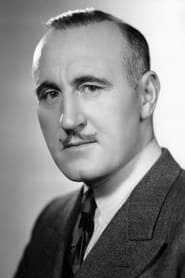
Donald Crisp
Actor & Director
Born: July 27, 1882 in London, England Died: May 25, 1974 Active: 1908-1963 Birth Name: George William Crisp
Films
14 films
Broken Blossoms or The Yellow Man and the Girl
1919
The Battle
1911
Fate's Turning
1911
The Miser's Heart
1911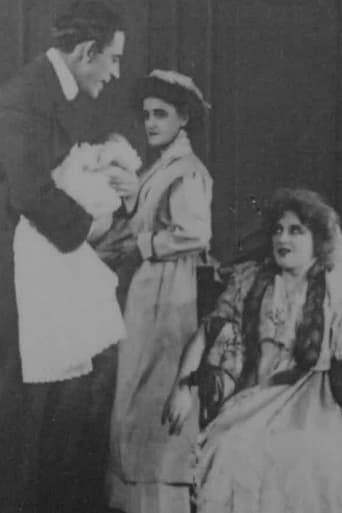
Through the Breakers
1909
The Adventures of Billy
1911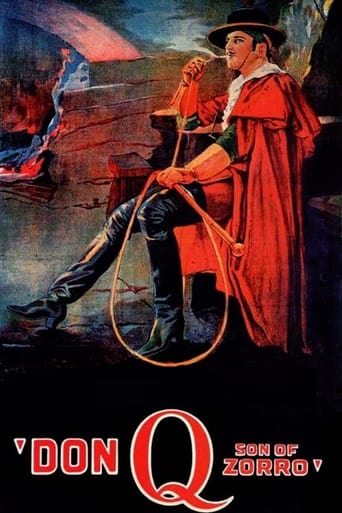
Don Q Son of Zorro
1925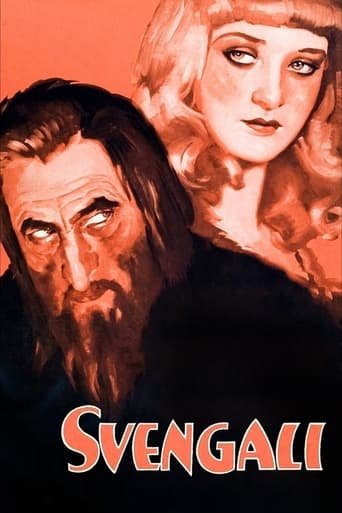
Svengali
1931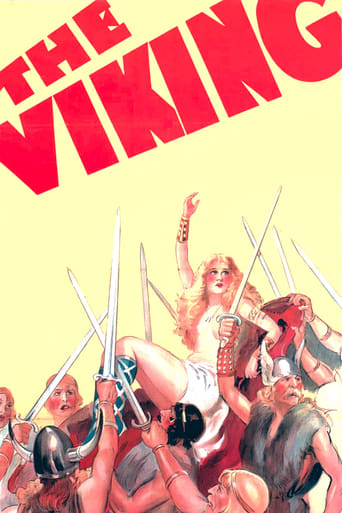
The Viking
1928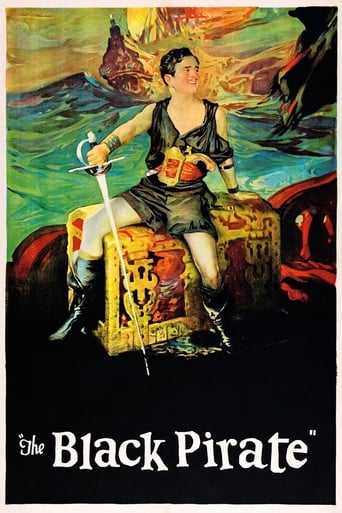
The Black Pirate
1926
The Pagan
1929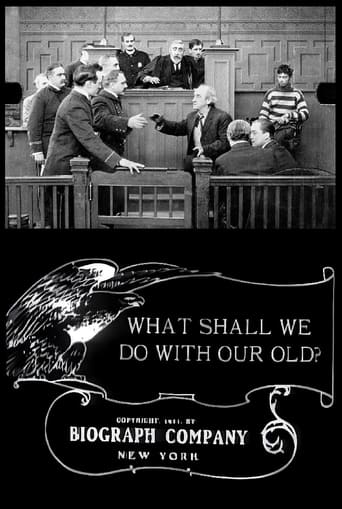
What Shall We Do with Our Old?
1911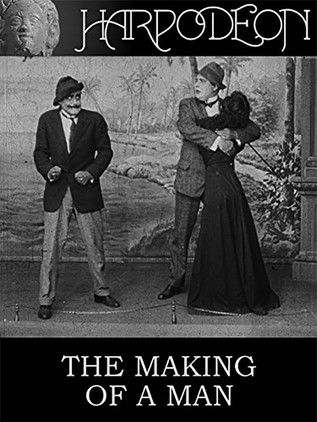
The Making of a Man
1911About Donald Crisp
The 1925 film Don Q, Son of Zorro is the only title linked here for Donald Crisp. Born in London in 1882, he began his film career with D.W. Griffith at Biograph Studios in 1908, appearing in hundreds of short films and evolving into a respected character actor. During the 1910s and 1920s, he successfully transitioned into directing, helming numerous films including the acclaimed 'Don Q, Son of Zorro' (1925) starring Douglas Fairbanks. After serving in the British Army during World War I, he returned to Hollywood and gradually shifted his focus back to acting, becoming recognizable character actors of the 1930s through 1960s. His crowning achievement came with an Academy Award for Best Supporting Actor for his role as the patriarch in John Ford's 'How Green Was My Valley' (1941). Beyond acting, Crisp served as a production supervisor and technical advisor at MGM, leveraging his military background and technical knowledge. His career concluded with over 400 film credits, making him prolific and respected figures in classic cinema.
The Craft
On Screen
Donald Crisp was known for his naturalistic and understated acting style, which transitioned seamlessly from the exaggerated gestures required in silent films to the more subtle performances demanded by sound cinema. He specialized in portraying authority figures with warmth and dignity, often playing patriarchs, military officers, or gentlemen of substance. His performances were marked by a commanding presence and authentic British reserve, yet he could convey deep emotion through subtle facial expressions and controlled delivery. Crisp's technique emphasized restraint and credibility, making him particularly effective in dramatic roles requiring gravitas and moral authority.
Behind the Camera
As a director during the silent era, Donald Crisp demonstrated a keen visual sense and efficient storytelling ability, particularly adept at action sequences and spectacle. His work on 'Don Q, Son of Zorro' showcased his ability to blend swashbuckling adventure with sophisticated production values. Crisp's directing approach was influenced by his time with D.W. Griffith, incorporating dynamic camera movement and careful attention to visual composition. He had a particular talent for working with action stars like Douglas Fairbanks, creating films that balanced technical excellence with crowd-pleasing entertainment.
Milestones
- Early work with D.W. Griffith at Biograph Studios (1908-1913)
- Directed 'Don Q, Son of Zorro' (1925) starring Douglas Fairbanks
- Academy Award for Best Supporting Actor for 'How Green Was My Valley' (1941)
- Served as production supervisor at MGM
- Appeared in over 400 films throughout his career
- Transitioned successfully from silent films to talkies
- Served in the British Army during World War I
Best Known For
Iconic Roles
Must-See Films
Accolades
Won
- Academy Award for Best Supporting Actor - How Green Was My Valley (1941)
- Academy Honorary Award for contributions to American cinema (1942)
Nominated
- Academy Award nomination for Best Supporting Actor - 'Mutiny on the Bounty' (1935)
- Academy Award nomination for Best Supporting Actor - 'Wuthering Heights' (1939)
Special Recognition
- Hollywood Walk of Fame star (Motion Pictures) - 1628 Vine Street
- British Film Institute recognition for contributions to cinema
- Screen Actors Guild Life Achievement Award (posthumous recognition)
Working Relationships
Worked Often With
Studios
Why They Matter
Impact on Culture
Donald Crisp significantly influenced the development of character acting in Hollywood, helping establish the archetype of the dignified British authority figure in American cinema. His successful transition from silent films to talkies demonstrated the importance of technical versatility in an evolving industry. As one of the few actors to successfully bridge the gap between leading man roles in the silent era and respected character actor status in sound films, Crisp's career trajectory became a model for longevity in Hollywood. His Academy Award win for 'How Green Was My Valley' helped validate the importance of supporting roles in cinema, contributing to the establishment of character acting as a respected craft. His work as both actor and director during the transitional period of the 1920s provided valuable insights into the technical and artistic challenges of early cinema.
Lasting Legacy
Donald Crisp's legacy endures through his extensive filmography, which serves as a comprehensive record of Hollywood's evolution from the silent era through the Golden Age. His Academy Award-winning performance in 'How Green Was My Valley' remains one of cinema's most memorable portrayals of paternal wisdom and strength. As a director, his work on 'Don Q, Son of Zorro' continues to be studied as an example of sophisticated silent-era action filmmaking. Crisp's career longevity and adaptability made him a bridge between different eras of filmmaking, preserving techniques and sensibilities from early cinema while embracing new technologies and storytelling methods. His influence on subsequent generations of character actors, particularly those specializing in authority figures, can be seen in the work of actors like C. Aubrey Smith, Basil Rathbone, and later, British actors in Hollywood productions.
Who They Inspired
Donald Crisp influenced countless character actors through his demonstration of how to maintain dignity and authenticity while playing authority figures. His naturalistic acting style, particularly his ability to convey emotion through restraint, became a model for actors transitioning from silent to sound films. As a production supervisor at MGM, he helped shape the studio's approach to technical accuracy and production values, particularly in historical and military films. His success as both actor and director inspired other performers to explore multiple roles within the film industry. Crisp's professional conduct and longevity in Hollywood set a standard for career management and adaptability that many subsequent actors have sought to emulate.
Off Screen
Donald Crisp led a relatively private personal life marked by two marriages and his dedication to his craft. He married screenwriter Jane Murfin in 1932, though the marriage ended in divorce in 1944. His first marriage was to dancer Marie Stokes in the 1910s, which also ended in divorce. Crisp never had children but maintained close relationships with his colleagues in the film industry. During World War I, he served with distinction in the British Army Intelligence Corps, an experience that deeply influenced his later roles as military officers and authority figures. He became a naturalized American citizen while maintaining strong ties to his British heritage throughout his life.
Education
Educated at Eton College and Oxford University (did not complete studies due to early career in entertainment)
Family
- Marie Stokes (1910s-1920s)
- Jane Murfin (1932-1944)
Did You Know?
- Served as a British intelligence officer during World War I, using his position in Hollywood to gather information
- Was one of the few people to work with both D.W. Griffith and John Ford, two of cinema's greatest directors
- Spoke multiple languages fluently, which helped him in international productions
- Was a technical consultant for MGM on military and historical matters
- Appeared in both 'The Birth of a Nation' (1915) and its controversial sequel 'The Birth of a Race' (1918)
- Was a founding member of the Screen Actors Guild
- Served on the Academy of Motion Picture Arts and Sciences board of governors
- Was known for his impeccable diction and received coaching for American roles
- Maintained a working farm in California during his later years
- Was considered for the role of Colonel Blimp in 'The Life and Death of Colonel Blimp' (1943) but turned it down
In Their Own Words
Acting is not about being emotional, but about being able to portray emotion convincingly
The transition from silent to sound films was not as difficult for those who understood that acting is fundamentally about truth, not technique
In character acting, the less you do, the more important it is that every gesture counts
Working with Griffith taught me that cinema is about movement and composition, not just performance
The secret to longevity in this business is adaptability and never taking yourself too seriously
Frequently Asked Questions
Who was Donald Crisp?
British-American actor and on YTB.my. He was particularly known for his portrayals of authority figures and won an Academy Award for Best Supporting Actor for 'How Green Was My Valley' (1941). Crisp was also a respected director during the silent era, helming films like 'Don Q, Son of Zorro' (1925).
What films is Donald Crisp best known for?
Titles linked here include How Green Was My Valley (1941), Mutiny on the Bounty (1935).
When was Donald Crisp born and when did he die?
Born July 27, 1882; died May 25, 1974.
What awards did Donald Crisp win?
Donald Crisp won the Academy Award for Best Supporting Actor for his performance as Mr. Morgan in 'How Green Was My Valley' (1941). He also received an Academy Honorary Award in 1942 for his contributions to American cinema. Additionally, he was nominated for Best Supporting Actor for 'Mutiny on the Bounty' (1935) and 'Wuthering Heights' (1939), and received a star on the Hollywood Walk of Fame for his contributions to motion pictures.
What was Donald Crisp's acting style?
Donald Crisp was known for his naturalistic and understated acting style, characterized by restraint, dignity, and authentic British reserve. He specialized in portraying authority figures with warmth and gravitas, using subtle facial expressions and controlled delivery rather than overt emotional displays. His style successfully transitioned from the expressive gestures required in silent films to the nuanced performances demanded by sound cinema, making him particularly effective as a character actor in dramatic roles requiring moral authority.